Consider These 13 Factors Before Purchasing a Sarplaninac Puppy
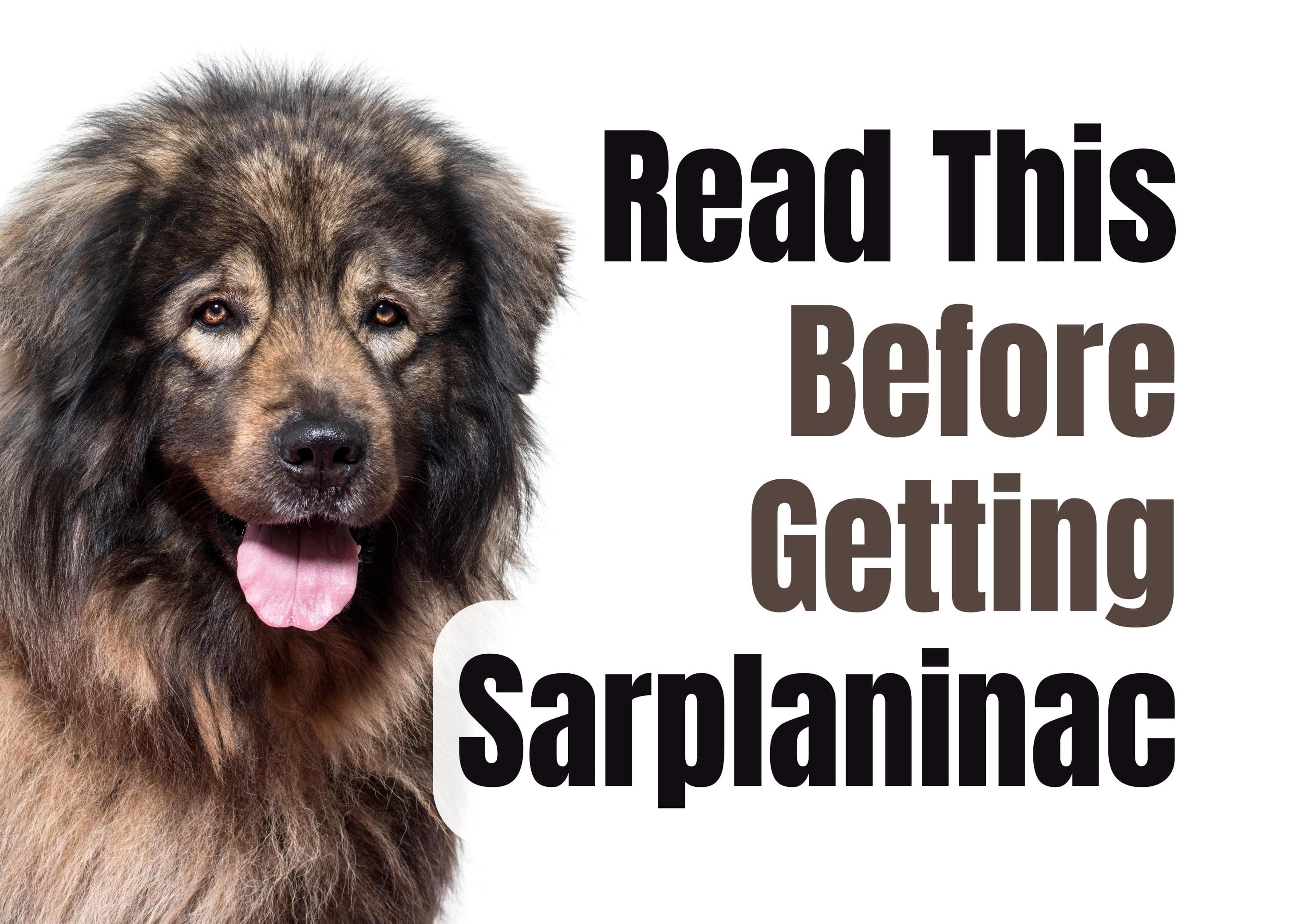
Thinking about bringing home a Sarplaninac? You're eyeing one of the most magnificent guardian dogs on the planet—and you're right to do your homework first.
Here's the honest truth: these dogs are loyal beyond measure, calm as mountains, and hardwired to protect. But they're also demanding, independent, and completely wrong for the wrong home.
This guide walks you through exactly what living with a Sarplaninac is really like—their temperament, training quirks, space needs, grooming, health, and whether you're the right match.
Let's start with what these dogs are built for.
Natural Guardians With a Gentle Side
First and foremost, the Sarplaninac is a livestock guardian dog. Built for the rugged Balkan mountains, they were bred to fend off wolves and bears.
That protective instinct runs deep. And it doesn't switch off just because they've moved into a suburban backyard.
But here's the part that surprises people:
They're not aggressive by default. They're wary of strangers, yes—but with their own family, they're calm, steady, and deeply devoted.
Once a Sarplaninac bonds with you, it sees your household as its life's work. That includes the kids.
“Once they bond with your family, they see it as their job to keep everyone safe.”
They're affectionate with children they know and trust. But as with any large breed, early socialization and supervision aren't optional—they're the foundation of everything.
That protective brain comes with a mind of its own. Here's what training really looks like.
Independence and Intelligence—With a Side of Stubborn
Make no mistake: these dogs are smart. Very smart.
But they're independent thinkers, bred to make decisions alone on a mountainside with no human in sight. That heritage shapes everything about how they learn.
So what does that mean for you?
They're not being disrespectful when they ignore a command. They simply don't see the point of following orders unless the request makes sense to them.
How to train a Sarplaninac
- Start youngBegin training and socializing from puppyhood—habits set fast in this breed.
- Keep it short and interestingLong, repetitive drills bore them. Short, engaging sessions win.
- Use positive reinforcementRewards and praise build cooperation and trust.
- Never use forceHarsh or forceful methods backfire and can damage the bond.
A smart, willful guardian needs the right setting. Here's the non-negotiable part.
Space and Purpose Are Non-Negotiable
Let's be blunt: this is not a dog for apartment life.
Sarplaninacs need room to roam. Ideally, that means a large, securely fenced yard—or better yet, a farm.
They're happiest with a job to do, whether that's guarding livestock, patrolling the property, or joining you on long hikes.
1–2 hrs
Minimum daily physical and mental activity
Quick poll
What best describes your home?
Big Dog, Big Coat, Low Maintenance
Here's some good news for a change: despite that thick double coat, grooming is refreshingly simple.
A solid brushing a couple of times a week usually keeps the coat in good shape. They shed seasonally—especially in spring—so brace yourself for a fur explosion once a year.
- Brush a couple of times per week
- Use dog-safe shampoo for occasional baths
- Trim nails, check ears, and keep up dental care
- Shave the coat in summer
Low grooming needs, but their long-term health takes real attention.
Health and Diet Basics
Sarplaninacs are generally healthy dogs, and they can live 11 to 13 years—a genuinely good lifespan for a breed this size.
But there's a catch:
Like many large breeds, they're prone to hip dysplasia and joint issues—especially if they're overfed or under-exercised.
Keep them lean
Extra weight puts serious strain on developing and aging joints. A trim Sarplaninac ages far more comfortably.
Feed for large breeds
Choose a high-quality diet formulated for big dogs to support bones, joints, and steady growth.
Involve your vet
Your vet can tailor nutrition to your dog’s age and activity—especially if you’re weighing raw or homemade food.
Prioritize joints early
Sensible exercise and healthy weight from puppyhood protect the hips for years to come.
Not for First-Time Dog Owners
We'll be honest with you—this breed isn't for everyone.
They're not cuddly lap dogs. And they won't thrive in a home that doesn't understand working breeds.
But for the right owner? They're extraordinary.
Pros
Great for you if...
- You have farm or large yard space
- You have experience with working or guardian breeds
- You can commit 1–2 hours of daily activity
- You value quiet, confident loyalty over cuddles
- You’re patient with independent, willful dogs
Cons
Reconsider if...
- You live in an apartment or small space
- This is your first dog
- You want an eager-to-please, easy-training breed
- You can’t provide daily physical and mental work
- You expect a constant lap companion
“They'll watch over your home and family with quiet confidence, and give you their loyalty for life.”
Meet their needs with structure, patience, and a lifestyle that lets them work, and you'll gain a devoted, noble friend who takes their job seriously—and their family to heart.
Frequently Asked Questions
Generally, no. Their independence, guardian instincts, and size make them best suited to experienced owners who understand working breeds and can provide firm, patient, positive guidance.
They can be calm and affectionate with children they know and trust, especially within their own family. As with any large breed, early socialization and supervision around kids are essential.
Yes. Plan for at least 1–2 hours of physical and mental activity daily. Long walks, hikes, patrolling a property, or having a job to do all keep them balanced and happy.
It’s not recommended. These dogs need space—ideally a large, securely fenced yard or a farm. Without room to roam and a purpose, they can become bored, anxious, and destructive.
Surprisingly little. A good brushing a couple of times a week keeps the double coat in shape, with heavier shedding in spring. Add occasional baths, nail trims, ear checks, and dental care.
No. Their double coat helps regulate body temperature and protects their skin. Shaving removes that natural protection and can cause harm. Brush it out to manage heat instead.
They typically live 11–13 years, which is a good lifespan for a large breed. Keeping them lean, well-exercised, and on a quality large-breed diet supports a long, healthy life.
Not by default. They’re wary of strangers and deeply protective, but calm and loyal with their own people. Early socialization helps them tell a real threat from a harmless visitor.