Consider These 13 Factors Before Purchasing a Pyrenean Mastiff Puppy
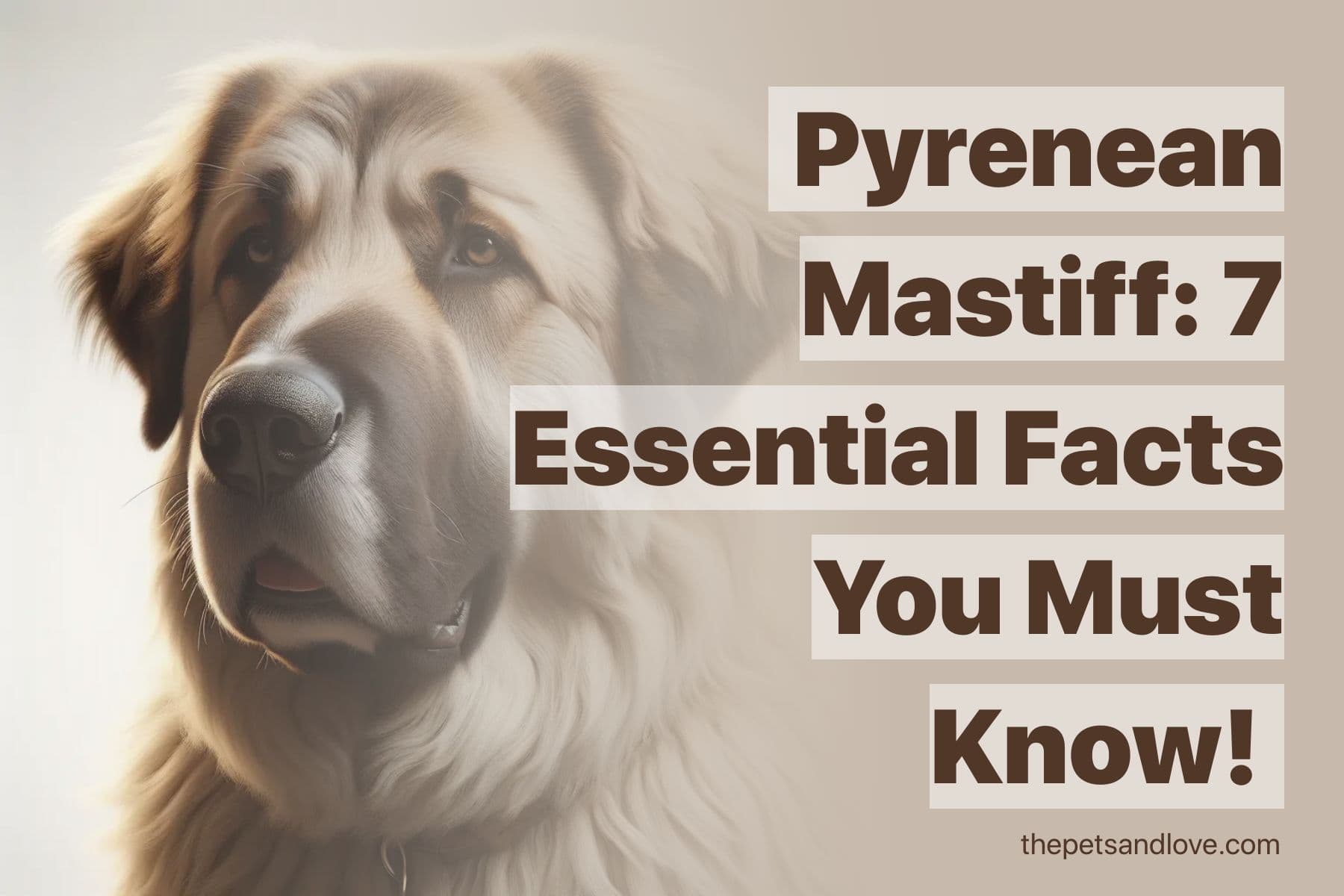
You want a dog that's loyal to the bone, gentle with your kids, and calm enough to double as a living room rug — but big enough to make anyone think twice at the front door.
The Pyrenean Mastiff checks every box.
These gentle giants spent centuries guarding livestock in the Pyrenees Mountains, facing down wolves and bears without blinking. Today, they're less about fighting predators and more about being the most devoted (and drooliest) member of your family.
But here's the thing: a 200-pound dog isn't a decision you make on a whim. Below, you'll find exactly what it's like to live with one — the good, the messy, and the surprisingly sweet.
Big, Protective, and Surprisingly Sweet
Let's clear something up right away.
The Pyrenean Mastiff looks intimidating — and yes, males can top **200 pounds**. But underneath that massive frame is a calm, even-tempered dog that would rather nap at your feet than pick a fight.
They're natural guardians, especially in rural or spacious homes. That protective instinct runs deep in their bloodline. But — and this matters — they're **not aggressive without a reason**.
They're generally gentle with kids, easygoing with other dogs, and tolerant of strangers once they've decided there's no threat.
“We've seen them act like oversized babysitters — lying quietly near children or other pets, just keeping watch.”
Here's the one catch to remember: a playful nudge from a dog this size can knock a toddler flat without any bad intent. Always supervise playtime with little ones.
Young kids
Great, with supervisionGentle by nature, but their size means accidental bumps happen. Never leave toddlers unsupervised.
Other dogs
GoodTypically calm and social, especially when socialized early.
Strangers
Watchful, then warmWary at first — they need to confirm you're safe before they relax.
Apartment life
Not idealThese dogs need room to sprawl and a yard to patrol.
Big coat, big questions — but grooming is easier than you'd think.
Low-Maintenance Coat, But Keep Up With Grooming
Good news for anyone who dreads daily grooming marathons.
The Pyrenean Mastiff has a thick double coat that sheds seasonally. Brushing a **few times a week** keeps things under control — bump that up during shedding season, when the fur really flies.
Bathing? Not often. Unless they roll in something questionable (and let's be honest, they sometimes do).
Beyond brushing, stay on top of the basics that every big dog needs:
- Trim nails regularly to protect those big joints
- Clean ears to prevent buildup and infection
- Brush teeth several times a week
- Shave the coat in summer
Health: Big Dog, Big Needs
Now, here's where being a giant breed comes with responsibility.
Like many large dogs, Pyrenean Mastiffs are prone to a couple of well-known issues you'll want to manage from day one.
Hip dysplasia
Common in giant breeds. Keep them lean and avoid over-exercising growing puppies to protect developing joints.
Bloat (gastric torsion)
A serious, life-threatening emergency. Feed smaller meals throughout the day and avoid heavy activity right after eating.
Eye irritation
Those droopy eyes are adorable — but they can trap debris and get irritated. Regular checkups catch problems early.
Overall longevity
With good care, they live around 10–12 years — genuinely impressive for a dog this size.
Feed Carefully — These Dogs Can Eat!
Fair warning: feeding a Pyrenean Mastiff is not cheap.
Depending on age, size, and activity level, they can put away **10–14 cups of food a day**. And it needs to be high-quality food formulated for large breeds — cheap filler won't cut it for a body this big.
10–14
cups of food per day for an adult
Portion control is essential. Extra weight puts serious strain on those big joints, which brings us right back to the hip issues you just read about.
During training, keep treats small and don't go overboard. Which leads to the next point — because these dogs are smarter than they let on.
Smart, Independent, and Sometimes Stubborn
Here's the truth about training a guardian breed.
Pyrenean Mastiffs are intelligent — but they've got a mind of their own. That independent streak isn't stubbornness for its own sake; it's baked into their history.
They were bred to guard flocks and make decisions **without waiting for a human** to tell them what to do. So don't expect the eager-to-please attitude of a Labrador.
How to train a Pyrenean Mastiff
- Start earlyBegin socialization and training as a puppy, especially to manage their natural wariness of strangers.
- Stay consistentMixed signals confuse an independent thinker. Same rules, every day, from every family member.
- Use positive reinforcementReward what you want. They're smart enough to learn quickly when there's something in it for them.
- Skip the harsh correctionsA gentle, patient hand works. Heavy-handed discipline backfires and damages trust with a guardian breed.
The opposite is often true. Independent breeds like the Pyrenean Mastiff were bred to problem-solve alone — that "stubbornness" is intelligence working on its own terms.
Not at all. A well-socialized Pyrenean Mastiff is calm and discerning. They protect when there's a real reason to — not on a hair trigger.
Where they live matters just as much as how you train them.
They Need Space (and Cooler Weather)
Let's be blunt: these are not apartment dogs.
A big backyard is a must — ideally with a secure fence. They love to lie around and observe their kingdom, but they still need daily walks and chances to explore.
Just don't over-exercise puppies. Their joints are still growing and can be surprisingly sensitive.
Yes, They Drool — A Lot
Time for some honesty.
If drool grosses you out, this might not be your breed. After meals or a big drink of water, you'll want paper towels within arm's reach.
It becomes part of the routine. Weirdly enough, you get used to it.
Quick poll
Could you live with a serious drooler?
They're Okay Being Alone — But Still Need You
Thanks to that independent nature, Pyrenean Mastiffs handle alone time better than a lot of breeds. Left on their own, they'll mostly nap and keep to themselves.
But don't mistake calmness for disinterest. They still need daily attention and interaction — and they're deeply bonded to their families in their own quiet way.
Is the Pyrenean Mastiff Right for You?
So, should you bring one home?
If you've got the space, the time, and the heart for a giant, loyal companion, the Pyrenean Mastiff can be a fantastic addition to the family.
Pros
Great fit if you have...
- A large home with a secure yard
- A cooler climate or reliable A/C
- Room in the budget for lots of quality food
- Patience for independent training
- Tolerance for drool and seasonal shedding
Cons
Reconsider if you...
- Live in an apartment or small space
- Are in a hot climate with no cooling
- Want an eager, obedient people-pleaser
- Can't stand mess or drool
- Need a dog that's cheap to feed
Frequently Asked Questions
They can be, but they're a big commitment. Their size, independent streak, and feeding costs make them better suited to owners who've done their homework. If you're patient, consistent, and have the space, a well-bred, well-socialized Pyrenean Mastiff can be a wonderful first dog.
Better than many breeds, thanks to their calm, independent nature. Most adults are fine for a standard workday if they've been exercised and have a comfortable space. Still, they need daily interaction — they bond closely with their families and shouldn't be left isolated for long stretches.
They're alert guardians, so they will bark to announce visitors or anything unusual. They're not typically nuisance barkers, but their deep, powerful voice means when they do sound off, you'll definitely hear it. Early training helps keep it in check.
Yes — they're generally gentle and patient, and often act like watchful babysitters. The main concern is their sheer size: an accidental bump can knock a small child over. Always supervise interactions with toddlers.
Usually, especially when socialized from a young age. Their calm temperament and guardian background mean they often tolerate and even protect other household pets. Introduce new animals slowly and supervise at first.
For most owners, it's the practical stuff: the food bills, the space they need, managing heat, and yes — the drool. The independent training style also takes patience. None of it is a dealbreaker if you're prepared for it.
A lot more than a small breed. Adults eat 10–14 cups of high-quality large-breed food per day, so budget accordingly. Buying in bulk and choosing a good but sensible food helps keep costs manageable without cutting corners on nutrition.
Giant breeds mature slowly. Expect adolescent energy and some boundary-testing through the first couple of years, with many settling into their calm adult temperament around age two or later. Consistent training throughout that stretch makes a big difference.