13 things to know before getting a Norwegian Buhund.
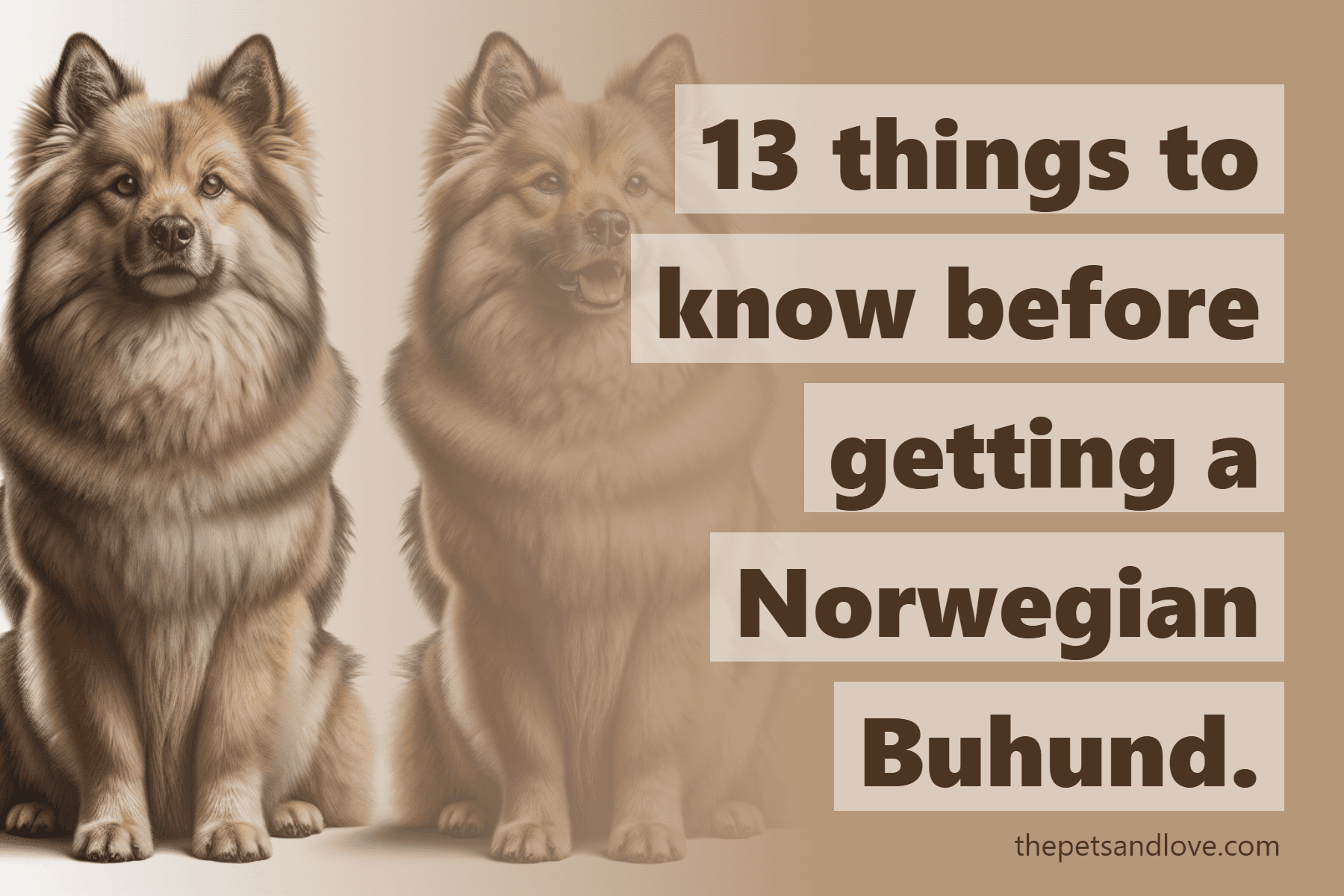
Spunky. Smart. A little bit of a smart aleck. If that combo sounds appealing, the Norwegian Buhund might already have your heart.
But here's the truth most breed pages skip: this dog is a joy only when you know what you're signing up for.
Because the Buhund isn't a couch dog. It's a working dog wearing a fluffy, foxy costume — and that changes everything about daily life with one.
Below are 13 honest things to know before you bring one home, from their Viking-era instincts to how much barking you're really in for.
| Category | Rating |
|---|---|
| Energy Level | |
| Trainability | |
| Grooming | |
| Barking | |
| Family Bond |
Let's start with the instinct that drives everything else.
1. They're Born to Work — and They Won't Let You Forget It
The Buhund's story goes all the way back to Viking-era Norway, where they earned their keep as farm dogs.
They herded sheep, guarded livestock, and stood up to real predators — wolves and birds of prey included.
Here's why that matters today: that working instinct didn't fade. It's still baked in.
Which means your Buhund needs a job. Give them one, or they'll invent their own.
So channel that drive. Agility, obedience, herding trials, scent games, and puzzle toys all give their brain a real outlet.
“A Buhund without a purpose will always find one — and you probably won't like their choice.”
And that clever brain? It comes with an attitude.
2. They're Smart — With a Cheeky Streak
Buhunds pick things up fast. But they're independent thinkers, not blind followers.
They like to understand why they're doing something. Repeat a drill too many times and they'll simply check out.
So keep sessions short, upbeat, and reward-heavy. Food is your best friend here.
The takeaway: consistency and creativity beat repetition every time.
Now for the part that trips up new owners the most.
3. Exercise Isn't Optional
Let's be blunt: a quick lap around the block won't cut it.
These dogs thrive on movement. Think long hikes, fetch marathons, or trotting alongside your bike.
Aim for two solid outings a day — plus something to occupy their brain at home.
2×
Real outings per day this breed needs to stay balanced
Pros
You'll thrive with a Buhund if you...
- Love hiking, running, or biking
- Want an outdoor adventure partner
- Enjoy training games and puzzles
- Have a securely fenced yard
Cons
You may struggle if you...
- Prefer a lazy stroll to the mailbox
- Work long hours away from home
- Want a quiet, low-effort lap dog
- Live somewhere with strict noise rules
Good news: the coat is easier than it looks.
4. Clean, Low-Odor, and a Seasonal Shedder
That thick double coat looks high-maintenance. It really isn't.
Weekly brushing handles most of the year. But come spring and fall, they "blow" their coat — and you'll want to brush daily.
The upside? Buhunds don't carry a strong doggy odor and tend to keep themselves fairly clean.
- Brush weekly (daily during shedding season)
- Trim nails regularly
- Check and clean ears
- Brush teeth on a routine
- Shave the double coat to "cool them down"
Now for the trait that surprises people most.
5. They're Vocal — and Not Shy About It
Buhunds talk. They bark to alert, to play, and sometimes just to comment on life.
It's pure watchdog heritage — and it's part of who they are.
Training can dial down the nuisance barking. But it won't switch it off completely.
Quick poll
How much barking can you actually live with?
But when they're your dog, they're all in.
6. Affectionate and Genuinely Family-Friendly
Raised well, Buhunds are loving, upbeat companions who do great with kids and other pets.
They're loyal to the core and happiest when they're near their people.
They can handle daytime alone time — if they've had enough exercise and stimulation first.
Kids
GreatPlayful and patient when well-socialized and properly exercised.
Other pets
GoodUsually fine with early, positive introductions.
Strangers
WatchfulWill bark first, then warm up quickly once introduced.
Left alone all day
CautionNeeds a tired body and busy mind, or boredom sets in.
What this means in practice: the more you fold them into daily life, the better behaved they tend to be.
And the earlier you start shaping that behavior, the better.
7. Socialization and Early Training Are Everything
Like all smart, active breeds, Buhunds do best with a strong early foundation.
Introduce your puppy to new people, dogs, sounds, and places while they're young.
Your early foundation checklist
- Start socializing earlyPuppy classes, daycare, and calm park trips build lasting confidence.
- Expose, don't overwhelmNew sights and sounds in small, positive doses prevent fear later.
- Crate train from day oneIt speeds up house training and gives them a safe place to decompress.
- Keep it consistentClear, repeated boundaries beat occasional strict corrections.
Now let's talk health — and one habit that quietly causes problems.
8. Generally Sturdy — But Do Your Homework
Norwegian Buhunds are typically a healthy, hardy breed. Still, like every breed, they carry some genetic risks.
The main ones to ask about: hip dysplasia, certain eye conditions, and Von Willebrand's disease (a bleeding disorder).
Responsible breeders test for these. So always ask for health clearances — and meet the puppy's parents if you can.
Watch the waistline
Here's the sneaky one: Buhunds love food, and the weight creeps on fast.
Extra pounds strain joints and shorten a working dog's active years.
One last quirk of their Norwegian roots.
9. Built for the Cold — Not the Heat
Coming from Norway, these dogs shrug off chilly weather with ease.
But that same warm double coat is a liability in summer. They can overheat quickly.
Still curious? Here are the questions new owners ask most.
Frequently Asked Questions
They can be — if you're active and committed to training. They're smart and eager, but their energy, independence, and barking mean they reward owners who put in consistent daily effort. A sedentary first-timer will likely struggle.
Yes. They're a vocal watchdog breed that barks to alert, play, and communicate. Training can reduce nuisance barking, but it won't eliminate it. This is not a breed for thin apartment walls.
They can manage a normal workday alone if they've been well-exercised and mentally stimulated first. Leave them bored and under-exercised, though, and you'll come home to chewing, digging, or barking.
Generally yes, when raised with early socialization. They tend to be affectionate, playful, and loyal, and most do well with children and other household pets introduced positively.
A lot. Plan on two solid outings a day — long walks, hikes, runs, or fetch — plus mental work like puzzle toys or training games at home. A short block walk isn't enough.
Their double coat sheds seasonally, and during spring and fall they blow their coat noticeably. Weekly brushing keeps things manageable most of the year, with daily brushing during shedding season.
For most owners, it's meeting the combined demand for physical exercise and mental stimulation — and managing the barking. Skip either and their working instincts turn into unwanted behavior.