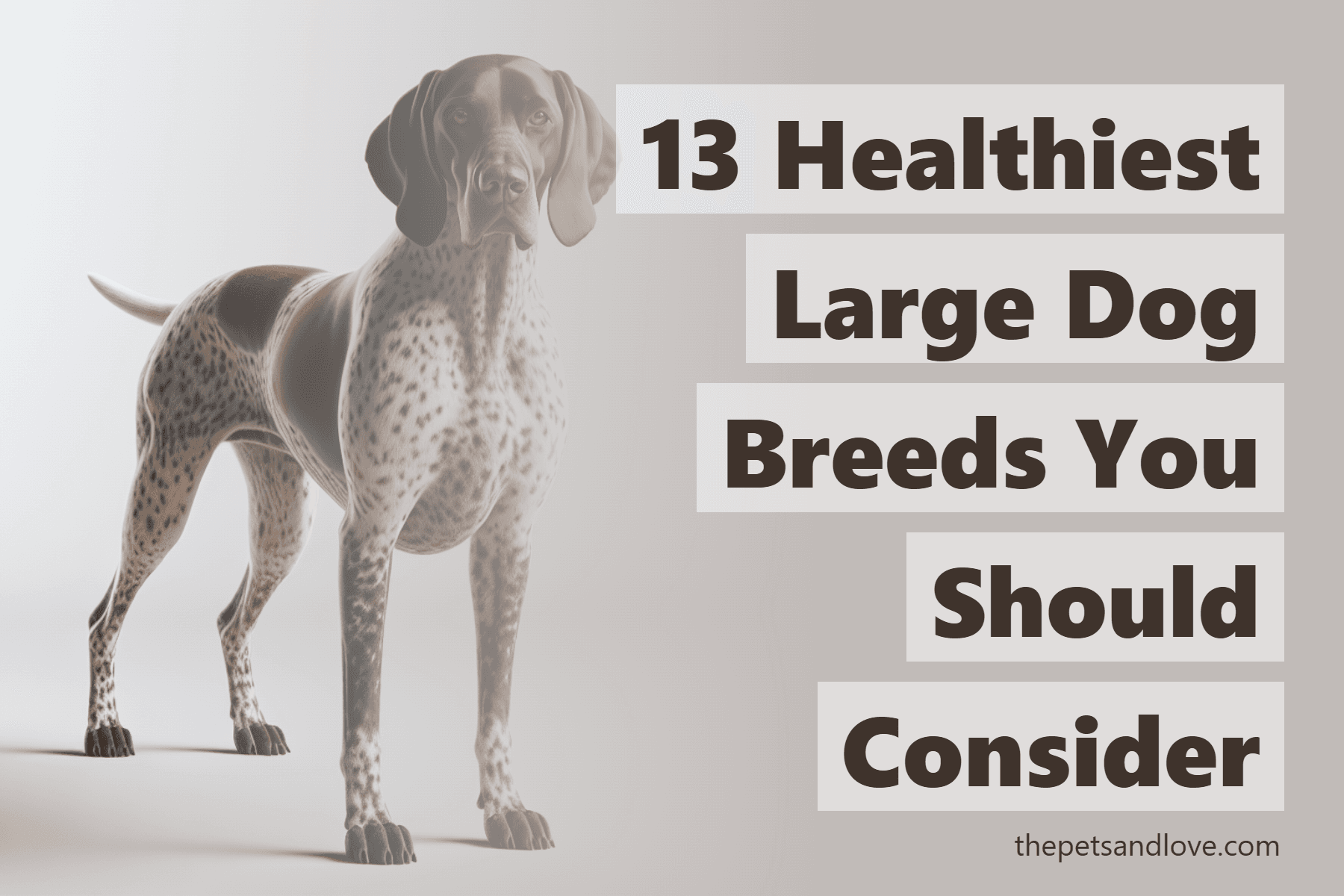
13 Healthiest Large Dog Breeds You Should Consider
Big dogs steal your heart — and, if you're honest, a little bit of your worry too.
Because it's true: larger breeds tend to face more health hurdles than pocket-sized pups. But here's the good news you came for.
Some big breeds are genuinely built to last. With the right care and a responsible breeder behind them, they can rack up long, happy, tail-wagging years.
Below, you'll meet 13 of the healthiest large dog breeds — with realistic lifespans, what makes them hardy, and the few health checks worth doing for each. Let's dig in.
7–18 yrs
Lifespan range across these 13 breeds
13
Large breeds known for staying hardy
The 13 Healthiest Large Dog Breeds
Each of these breeds has a reputation for heartiness — but no dog is bulletproof. The health checks listed matter, so don't skip them.
1. Belgian Malinois — 14–16 years
Smart, driven, and loyal to the core.
Malinois thrive in active homes with plenty of mental and physical stimulation. They're generally healthy, with just a few recommended checks: hips, elbows, and eyes.
2. Bergamasco Sheepdog — 13–15 years
That corded coat looks like a grooming nightmare — but it isn't.
The Bergamasco is surprisingly low-maintenance and hardy, and great with kids. Keep an eye on hips and consider a DNA test for degenerative myelopathy.
3. Standard Poodle — 10–18 years
Don't let the fancy haircut fool you.
These dogs are athletic and sharp-minded, and they age well with regular vet care. Screen for hips, eyes, and PRA (progressive retinal atrophy).
4. German Shorthaired Pointer — 10–12 years
If you love the outdoors, this could be your perfect match.
GSPs are active, social, and generally robust. Watch for joint issues and consider a DNA test for cone degeneration, which affects vision.
5. Azawakh — 12–15 years
This elegant West African sighthound is lean, healthy, and refreshingly free of a long list of genetic issues.
They do best with experienced owners, since they're a touch independent and sensitive.
6. Siberian Husky — 12–14 years
Built for endurance and harsh conditions — and it shows.
Huskies have boundless energy and rarely get sick. The catch? They shed like crazy. Hips and eyes are the main things to check.
7. Alaskan Malamute — 10–14 years
These big, friendly sled dogs are strong and affectionate, and they adore being part of the family.
Look out for hip issues and a rare condition called polyneuropathy, which a DNA test can screen for.
8. English Foxhound — 10–13 years
Surprisingly healthy and low-maintenance, though not a common household pet.
No official health screenings are required — but regular vet care is still a must.
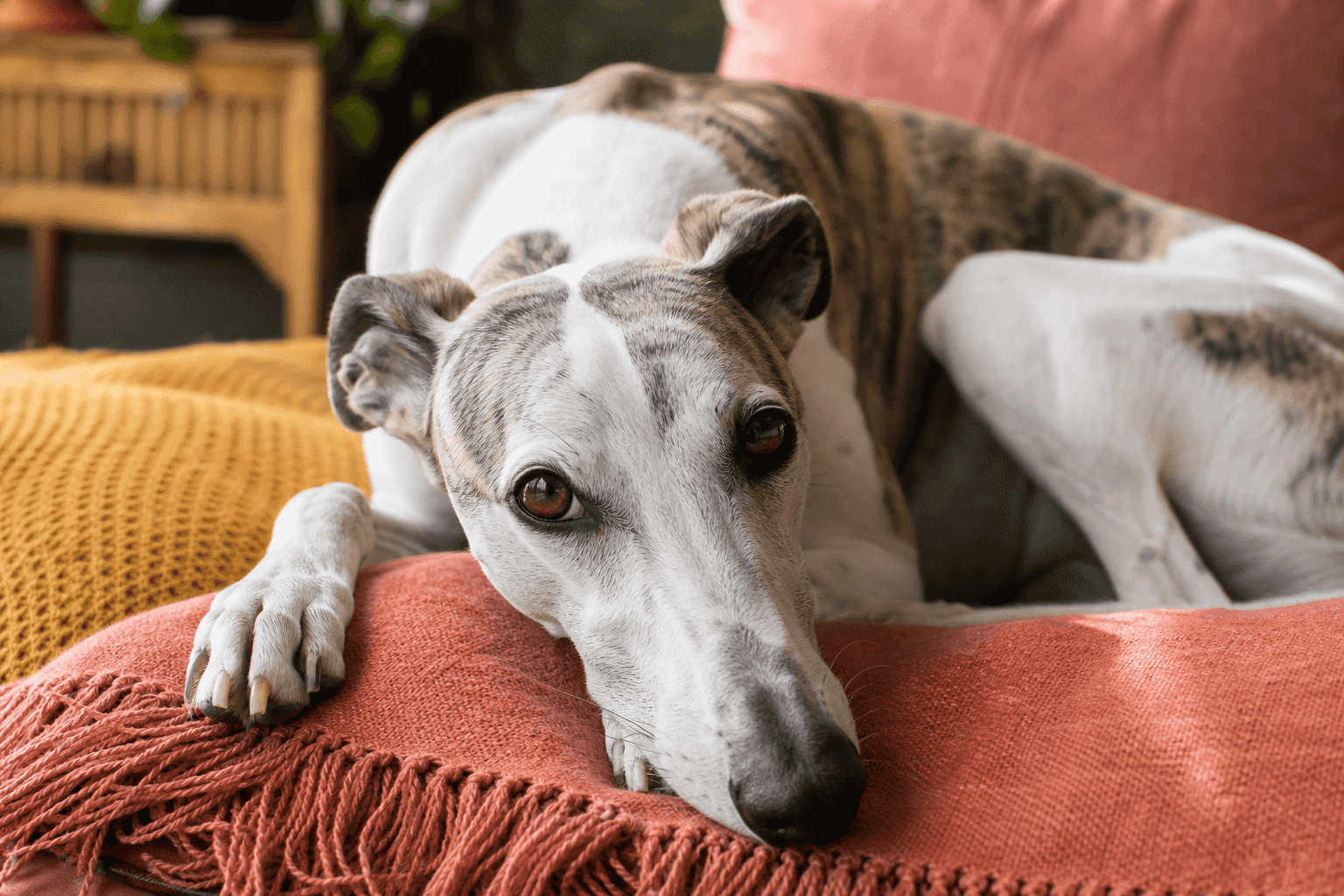
9. Greyhound — 10–13 years
Here's the surprise: despite the speed, Greyhounds are champion couch potatoes at home.
They're sweet-natured and tend to stay healthy. Heart and eye checks are recommended, plus a test for greyhound-specific polyneuropathy.
10. Doberman Pinscher — 10–12 years
Loyal, energetic, and more affectionate than their tough-guy image suggests.
Generally healthy, but screen for heart and thyroid issues, plus Von Willebrand's disease, a bleeding disorder.
11. Old English Sheepdog — 10–12 years
Shaggy coat, huge personality — and usually healthy with the right care.
Keep up with grooming and screen for hips, thyroid, and exercise-induced collapse (EIC).
12. Rottweiler — 9–10 years
Strong, loving protectors who can be prone to joint and heart problems.
That's exactly why sourcing from a health-testing breeder matters. Many Rotties are gentle giants who love snuggling more than guarding.
13. German Shepherd — 7–10 years
Loyal and endlessly versatile — but prone to hip and elbow dysplasia.
Good breeding, regular vet care, and proper exercise make a huge difference to their health and longevity.
“With a little extra care, many big breeds live long, happy lives full of tail wags and couch cuddles.”
So why do big dogs face more health challenges in the first place?
Why Size Affects a Dog's Health
Larger bodies simply work harder. Bigger frames put more strain on joints, and rapid growth as puppies can set the stage for issues later.
What this means in practice: the breeds above tend to buck that trend — but only when they're bred responsibly and kept at a healthy weight.
Here's how to give any large breed the best shot at a long life.
Tips for Raising a Healthy Large Dog
The breed is your starting point — your daily habits do the rest. These five make the biggest difference.
The 5 healthy-big-dog rules
- Choose a responsible breederInsist on the recommended health testing for the breed.
- Feed a high-quality dietLook for food that supports joint and bone health.
- Keep them activeLarge breeds need both physical exercise and mental stimulation.
- Stay on top of vet visitsFollow through with every recommended screening.
- Watch their weightExtra pounds put real strain on aging joints.
Quick poll
What matters most to you in a large breed?
Frequently Asked Questions
The Standard Poodle tops this list with a range of 10–18 years, followed closely by the Belgian Malinois at 14–16 years. Lean, well-bred dogs kept at a healthy weight tend to reach the upper end of any breed range.
Absolutely. Being a hardy breed lowers the odds of inherited problems — it does not remove them. Every breed here still benefits from routine vet care and the specific screenings noted for it.
They need more food, more space, and more exercise, and their joints deserve extra attention. But many big breeds are calm, affectionate homebodies — the Greyhound being a famous example.
It depends on the breed, but hips and eyes are common across many large dogs. Others need heart, thyroid, or DNA tests for conditions like degenerative myelopathy or polyneuropathy. A good breeder will share these results willingly.
Gentler, forgiving options include the Standard Poodle and Old English Sheepdog. Highly driven breeds like the Belgian Malinois or independent ones like the Azawakh are better suited to experienced hands.
Keep them lean, feed a quality diet, provide daily exercise plus mental stimulation, and never skip recommended vet screenings. Those habits stretch healthy years for any breed.