11 Large Dog Breeds Perfect for First-Time Owners
Thinking about getting your first dog — and want a big one? You're in good company.
Something about large breeds pulls people in: the loyal eyes, the calm presence, the extra cuddle real estate. But here's the catch — not every big dog is beginner-friendly.
Some large breeds demand serious training, hours of exercise, or a firm, experienced hand to thrive. Choose wrong, and you're in for a rough first year.
Choose right, though? You get a gentle, trainable companion that grows up alongside you.
So below, you'll find 11 large dog breeds that tend to forgive beginner mistakes — dogs that are easier to manage than their size suggests. Let's dig in.
First, a quick reality check before we get to the breeds.
11
Beginner-friendly large breeds
2×/day
Exercise most of them need
#1
Trait that matters most: trainability
Quick Picks at a Glance
Short on time? Here's the shortlist, scored on what actually matters to a first-time owner.
| Category | Rating |
|---|---|
| Golden Retriever | |
| Labrador Retriever | |
| Standard Poodle | |
| Newfoundland | |
| Great Dane | |
| German Shepherd |
Now let's meet each dog properly, starting with the classic.
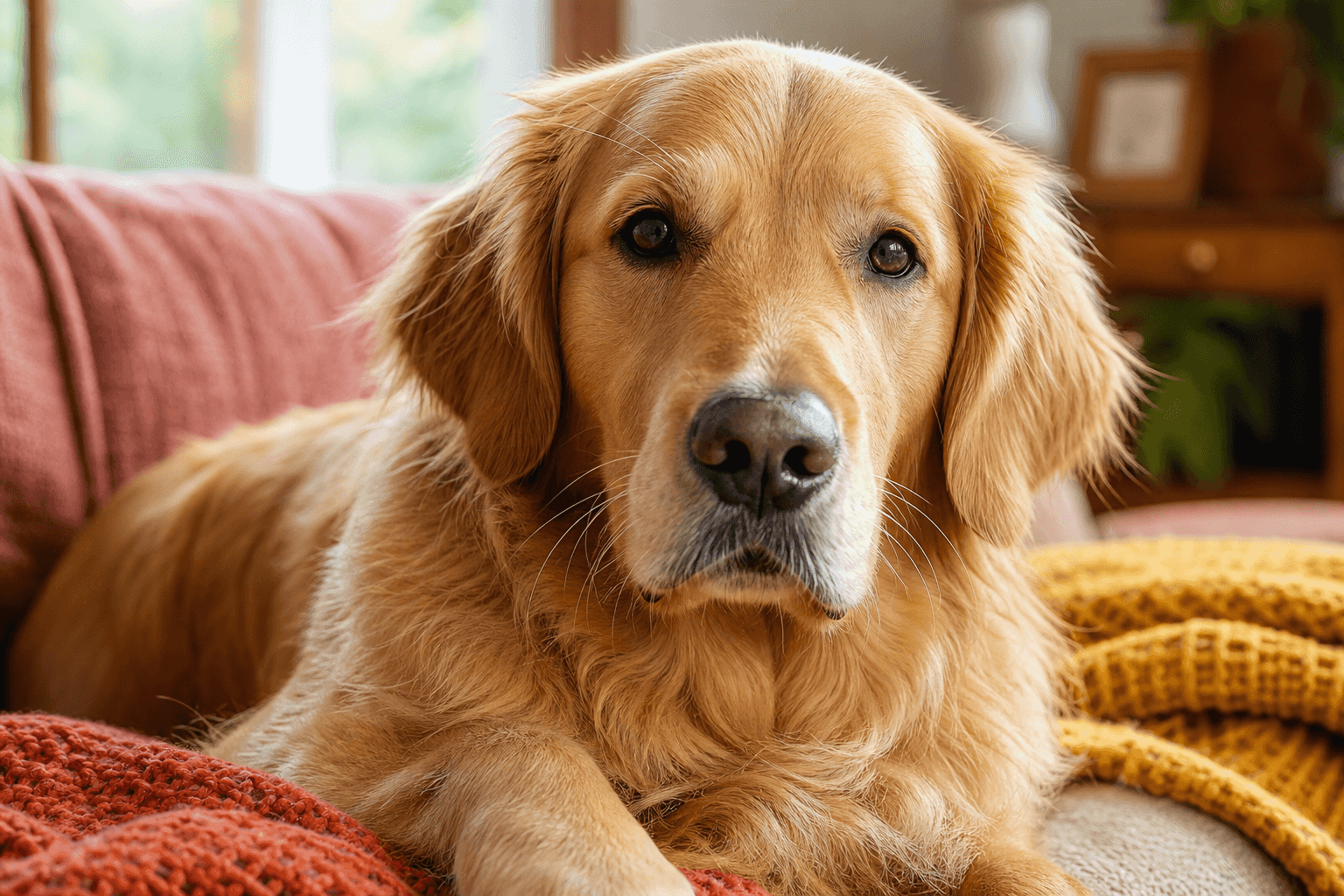
1. Golden Retriever
Goldens are the classic "good dog" for a reason.
They're friendly, eager to please, and desperate to be part of the family. Training usually feels easy because they're so food-motivated and social.
If you want a gentle, happy companion that fits almost any home, this is a top pick.
Pros
Why beginners love them
- Easy to train and eager to please
- Low aggression, big patience
- Wonderful with kids and other pets
Cons
Heads-up
- They shed. A lot.
- Need regular exercise to stay balanced
- Prone to weight gain if overfed
2. Labrador Retriever
Labs are just as lovable as Goldens — with a bit more energy in the tank.
They're playful, patient, and fiercely loyal. Want a hiking buddy? A Lab's in. Prefer a couch snuggler after a long walk? Also in.
But here's the thing you can't skip.
3. Boxer
Boxers are goofy, affectionate, and full of bounce.
They're often called the "clowns" of the dog world, and honestly, it fits. They adore people and usually get on well with other pets too.
One thing to expect: they stay puppy-like for years. That silliness is a feature, not a bug — but plan for it.
Playful & protective
A Boxer will happily entertain the kids all afternoon, then plant itself between them and a stranger.
Family-obsessed
They want to be where you are. Left alone too long, they get antsy and vocal.
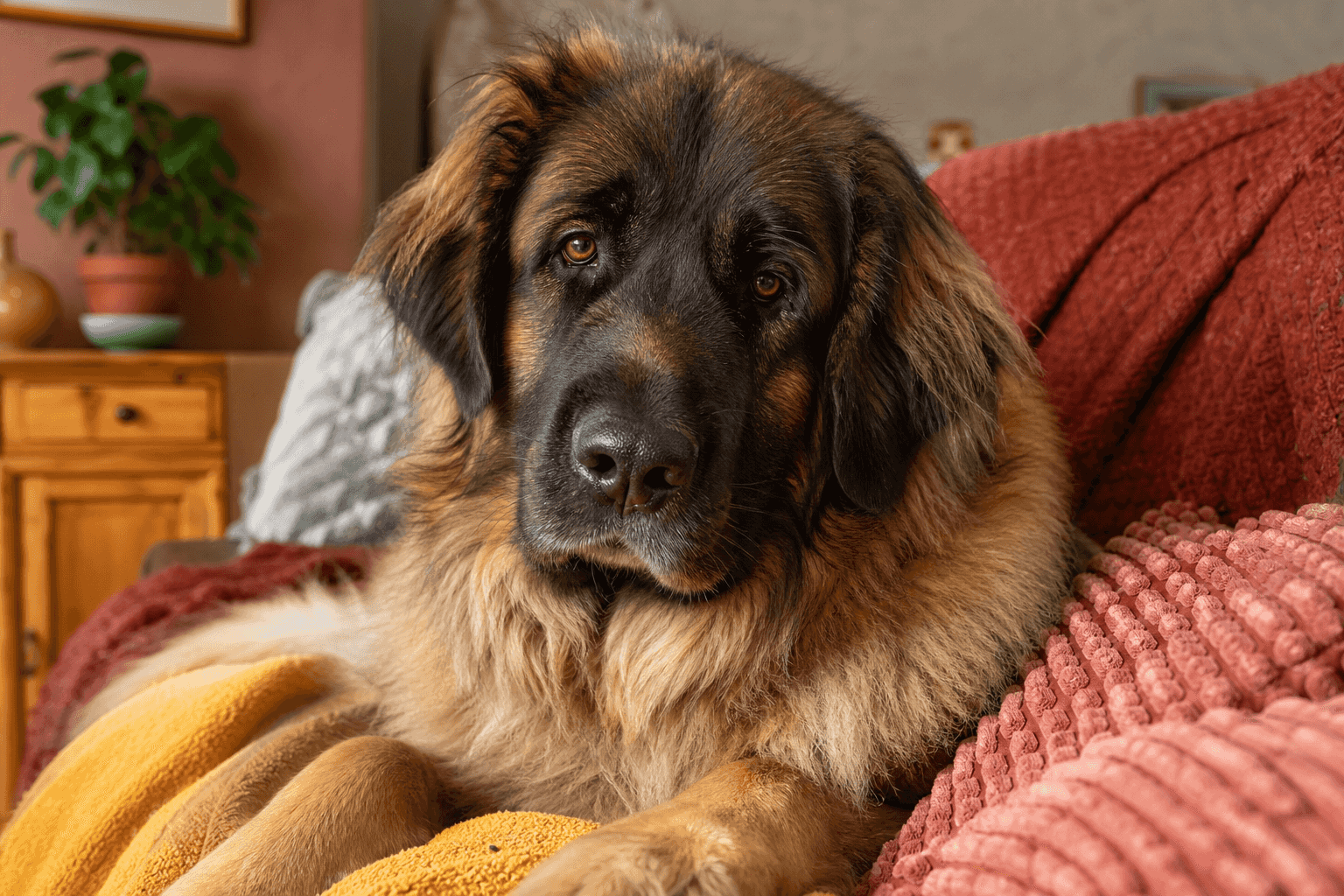
4. Newfoundland
If you want a true gentle giant, Newfoundlands are hard to beat.
These dogs are famously calm and brilliant with kids. They were originally bred for water rescues, so many are natural swimmers with an instinct to protect.
Now, here's the trade-off.
Can you guess?
What's the price of that mellow, teddy-bear personality?
5. Standard Poodle
Poodles get underestimated because of those fancy show haircuts. Don't be fooled.
The Standard is the largest of the three sizes — athletic, friendly, and seriously smart. Many rank among the most trainable dogs you can own.
They're also a favorite for allergy-prone homes, thanks to a low-shedding coat.
Pros
Why they shine
- Low-shedding coat, great for allergy sufferers
- Quick learners — almost too clever
- Deeply people-oriented and affectionate
Cons
Consider this
- Regular professional grooming is non-negotiable
- Boredom leads to mischief; they need mental work
- Grooming costs add up over the year
Next up, the cuddliest mountain dog of the bunch.
6. Bernese Mountain Dog
Berners are big, cuddly, and surprisingly gentle.
They're calm, affectionate — especially with kids — and love the outdoors. They also thrive in cooler climates, so factor that in if you live somewhere warm.
There's one hard truth about this breed you should know before you fall in love.
7. Great Dane
Despite the towering size, Great Danes are famously chill.
They're often described as "lap dogs in a horse's body." They bond hard with their people and are astonishingly gentle indoors.
So what does the size actually cost you?
Low energy indoors
A couple of good walks and a Dane is content to nap the day away beside you.
Bigger bills
More dog means more food, larger doses of medication, and higher vet costs. Budget for it.
8. Mastiff
Mastiffs are big-hearted protectors who prefer lounging to laps around the block.
They're calm, affectionate at home, and perfectly happy chilling near their humans for hours.
But one step matters more than any other with this breed.
The Mastiff owner's early checklist
- Socialize early and oftenIntroduce puppies to new people, places, and dogs young to avoid overprotectiveness later.
- Set boundaries while they're smallIt's far easier to teach manners to a puppy than to renegotiate with a 150-pound adult.
- Keep exercise gentleThey don't need marathons — steady daily walks keep them fit without stressing their joints.
9. German Shepherd
German Shepherds are smart, loyal, and endlessly capable — there's a reason they're the world's go-to working dog.
Can a first-time owner handle one? Absolutely — if you're active and willing to train consistently.
“A German Shepherd doesn't just want a home. It wants a job.”
10. Weimaraner
Weimaraners are sleek, energetic, and utterly devoted to their people.
They're nicknamed "Velcro dogs" for a reason — they want to be by your side, always. That makes them ideal for active families who are home a lot.
But it comes with a warning.
11. Bearded Collie
These shaggy sweethearts are pure personality and bounce.
Originally bred to herd, they love to stay busy and shine with positive training and plenty of play. In an active home, they're a joyful, social companion.
Two things to plan for, though.
- Give them daily activity and mental play
- Commit to regular brushing of that long coat
- Expect the barking — Beardies are vocal
- Don't leave them idle and under-exercised
Great — now how do you actually pick the right one for you?
How to Choose the Right One for You
Here's the truth most breed lists skip: the "best" large dog isn't a breed. It's a match.
Choosing well is all about lining up the dog's needs with your real, everyday lifestyle — not the life you wish you had.
Active, outdoorsy home
Labrador, Weimaraner, GSDThey'll happily match your pace and love a job to do.
Calmer, homebody household
Great Dane, Mastiff, NewfoundlandBig bodies, low energy — content to lounge nearby.
Families with young kids
Golden, Newfoundland, BernerFamous for patience and gentleness with children.
Allergy-sensitive homes
Standard PoodleThe standout low-shedding option on this list.
You don't need to be a perfect owner. You just need to be a committed one.
Quick poll
Which large breed are you leaning toward?
Frequently Asked Questions
The Golden Retriever and Labrador Retriever are the classic easy picks. Both are friendly, highly trainable, and forgiving of beginner mistakes. Just plan for shedding and daily exercise.
Not always — it depends on the breed. High-drive dogs like the Labrador, Weimaraner, and German Shepherd need real daily exercise, while giants like the Great Dane and Mastiff are surprisingly happy with a couple of good walks and lots of lounging.
Many are wonderful with kids. Golden Retrievers, Newfoundlands, and Bernese Mountain Dogs are especially known for their patience and gentleness. As always, supervise young children around any dog, no matter how sweet.
The Standard Poodle is the standout low-shedding choice on this list and is often a good fit for allergy-sensitive homes. The trade-off is that it needs regular professional grooming.
Sometimes, yes. Calm, lower-energy breeds like the Great Dane and Mastiff can adapt to smaller spaces as long as they get daily walks. High-energy breeds are much harder to satisfy in a small home.
Noticeably more. Bigger dogs eat more food, need larger doses of medication, and often have higher vet and boarding costs. Build these ongoing expenses into your budget before bringing one home.
Generally, no. Larger breeds — especially giants like Great Danes, Bernese Mountain Dogs, and Mastiffs — tend to have shorter lifespans than small dogs. A responsible breeder and good preventive vet care help you make the most of every year.
Managing their size. A calm 100-pound dog is lovely; an untrained one that jumps and pulls is genuinely difficult. That's why early training and socialization matter so much with big breeds.
Size and aggression aren't linked. Many of the largest breeds — Newfoundlands, Great Danes, Golden Retrievers — are among the gentlest dogs you can own. Temperament comes down to breeding, training, and socialization.
It depends on the breed. Goldens, Labs, and gentle giants can be very manageable for a committed first-timer. The key is choosing a trainable breed and putting in consistent early training.
Exercise needs vary by energy level, not just size. Low-energy giants like Mastiffs and Great Danes often need less space and activity than a small, high-drive breed.