13 Important Factors to Consider Before You Adopt a Tornjak
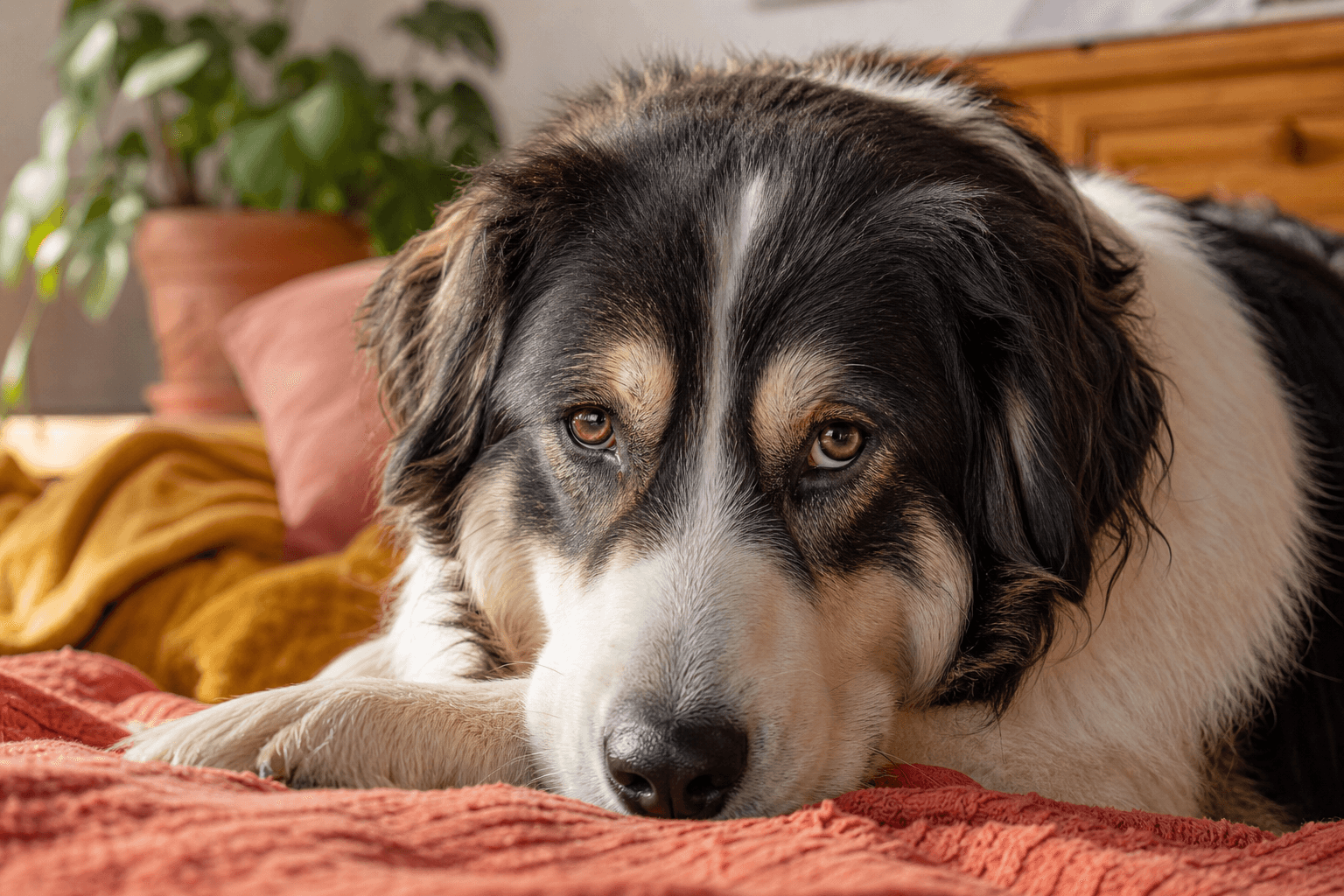
You clicked because Tornjaks look majestic and loyal — and they are.
But this is a true livestock guardian with big-dog needs you feel in daily life.
Here are the exact factors to weigh so your match is a happy one, not a hard lesson.
1. Size and Strength Reality
Tornjaks are large, sturdy guardians, often 80 to 110 pounds, with real pulling power.
You need confident handling, a well-fitted harness, and the ability to manage a sudden lunge if something triggers their protectiveness.
2. Space and Lifestyle Fit
This breed is not apartment-easy.
They do best with a securely fenced yard and a lifestyle that includes time outdoors; city life can work only with diligent exercise and management.
3. Secure Fencing and Containment
Plan on a 5 to 6 foot fence with solid latches.
Tornjaks patrol by nature; they can dig or push through weak points if they believe their territory needs defending.
Give their instincts a job, and life gets easier
4. Temperament: Guardian First
Expect calm and affectionate with family, wary with strangers, and highly territorial.
If you host frequent guests, you will need a management plan: leashes, crate training, and clear door protocols.
5. Training Style That Works
They are intelligent and independent, bred to make decisions without constant direction.
Short, purpose-driven sessions with rewards and fair boundaries beat drill-based obedience.
6. Early, Ongoing Socialization
Start early and keep it going: neutral exposure to people, livestock, traffic, and vet handling.
For guardians, socialization is about calm neutrality, not forced friendliness.
7. Exercise and Mental Work
Think quality over miles: 60 to 90 minutes split into patrol-style walks, sniffing, and property rounds.
Add jobs: boundary walks, carry a light backpack once mature, scent games, and quiet place work.
Daily Patrol Walk
Let them scan and sniff while you guide pace and manners.
Scent Games
Hide food or toys; short hunts tire the brain fast.
Settle on Place
Build long, relaxed downs while life happens around them.
Structured Yard Time
Ten mindful minutes at the fence beats an hour of boredom.
8. Grooming and Shedding
Double coat, weather-resistant, and a heavy seasonal shedder.
Plan weekly brushing, more during spring and fall; occasional baths; check ears and trim nails regularly.
9. Health Risks and Vet Plan
Common big-dog concerns: hip and elbow dysplasia, bloat, and orthopedic strain from fast growth.
Choose a large-breed diet, slow and steady puppy growth, and discuss a gastropexy with your vet to reduce bloat risk.
10. Climate Considerations
Built for cold; heat requires management.
Provide shade, cool resting spots, and avoid mid-day exertion in warm climates.
11. Family, Kids, and Other Pets
With their people, Tornjaks are devoted and gentle, but their size can bowl over small kids.
Supervise play, teach calm greetings, and manage introductions with resident dogs or cats to prevent resource guarding.
12. Noise, Neighbors, and Legalities
They use their voice to announce anything unusual, especially at night.
Talk to neighbors, set quiet hours, and check landlord, HOA, and insurance rules for large guardian breeds.
13. Finding an Ethical Rescue or Source
This is a rare breed; general shelters may mislabel them as mixed livestock guardians.
Look to LGD rescues and regional Tornjak groups; ask about temperament tests, health history, and post-adoption support.
- You have secure fencing and a plan for guest management
- Your schedule allows daily patrol-style walks and mental work
- You are comfortable with a watchful, sometimes vocal guardian
- Apartment living with thin walls and no yard
- You expect easy off-leash park social hours
Not usually. They are wonderful for prepared, confident owners who understand guardian breeds. Experienced large-dog handlers adapt fastest.
It can, with diligent exercise, management, and noise planning, but a yard and tolerant neighbors make life much easier.
Weekly brushing, plus daily quick sessions during seasonal sheds. Keep nails trimmed and ears checked.
Often with proper introductions and clear rules at home. Dog-park free-for-alls are not their scene.