13 Factors to Consider Before You Adopt a Pomsky
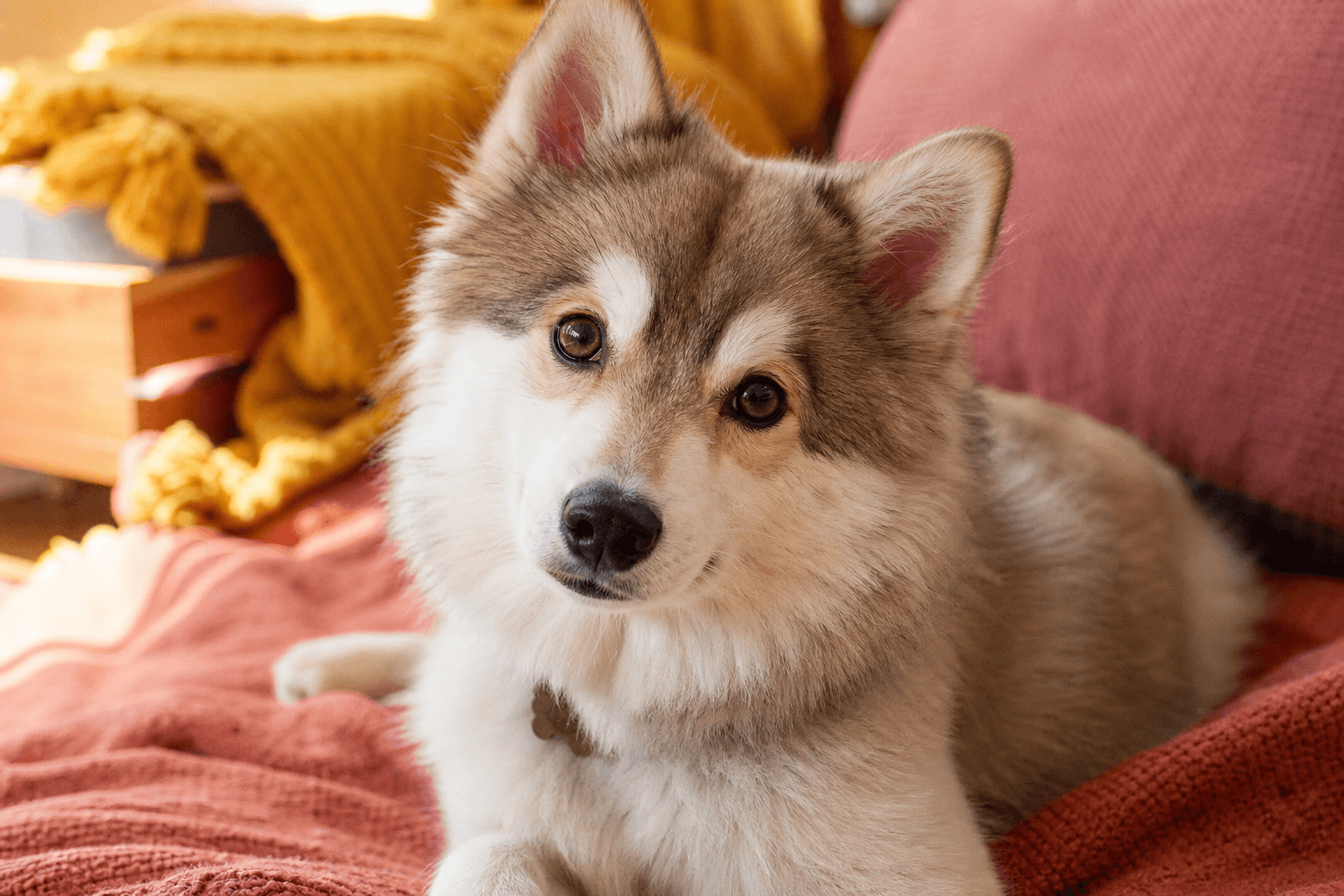
You love the fox-like face, the blue eyes, the Instagram-ready fluff. We get it — Pomskies are heart-stealers.
Before you bring one home, here are the real-world things we wish every adopter knew.
Read this first, choose with your eyes open, and you will both be happier for it.
1. Expect a Wide Size and Look Range
Pomskies are a Pomeranian and Siberian Husky mix, and genetics roll dice. One litter can have 12-pound pocket rockets and 30-pound athletes.
Coat color, eye color, ear set, muzzle length — none are guaranteed. If size matters in your home or building, adopt based on the individual dog, not the label.
2. High Energy Needs in a Small Package
Even the smaller Pomskies often inherit the Husky drive. Plan on daily exercise plus mental work — think 60 minutes total split between walks, sniffaris, and play.
High-impact jogging is not ideal for growing joints, but structured fetch, flirt pole, and puzzle games will take the edge off beautifully.
3. Grooming Is a Real Commitment
That plush double coat mats if you let it. Expect brushing several times a week and more during seasonal coat blows.
Avoid shaving a double coat; it can harm coat quality and natural temperature regulation. Schedule routine nail trims and dental care.
4. Shedding and Allergies
Most Pomskies shed. Some shed a little year-round, others drop snowstorms twice a year.
If allergies are a concern, meet the specific dog multiple times and test your reaction at different seasons. Pomskies are generally not hypoallergenic.
5. Training: Smart but Stubborn
Pomskies are clever, curious, and sometimes mischievous. They learn fast — and unlearn just as fast if you are inconsistent.
Use positive reinforcement, short sessions, and high-value rewards. Recall and loose-leash skills need early, ongoing work.
6. Social Needs and Alone Time
Many Pomskies crave company and can struggle if left alone for long workdays. Boredom brings digging, shredding, and howling.
If your schedule is tight, line up dog walkers, doggy day care, or a trusted neighbor to break up the day.
7. Vocalization: Cute or Constant?
From Pom alerts to Husky woo-woo, expect a talker. This can be charming — or a landlord issue.
Teach a quiet cue early, reward calm, and manage triggers with window film, chews, and structured rest.
8. Health: Mixed Breed, Not Magic
Crossbreeds can still inherit issues. Watch for dental crowding from the Pom side, luxating patellas, hip or elbow concerns, eye issues, and thyroid problems.
Ask for vet records and, if from a breeder, health testing on the parents (hips, eyes, patellas, and thyroid as applicable).
9. Apartment and Space Fit
Pomskies do not need a yard, but they do need outlets. Daily walks, elevator etiquette, and quiet training matter more than square footage.
They can thrive in apartments if you meet their exercise and enrichment needs consistently.
10. Climate Tolerance
The double coat insulates from heat and cold, but it is not a superpower. Humid heat can overwhelm them quickly.
Walk during cooler hours, offer shade and water, and use cooling mats in summer. In winter, protect paws from ice melt and consider a light jacket only if your dog shows they need it.
11. Kids and Other Pets
Well-socialized Pomskies can be wonderful with respectful kids and friendly dogs. Many have a prey drive toward small critters.
Model gentle handling, supervise play, and teach kids to give space when the dog retreats to rest.
12. Budget and Long-Term Costs
Beyond adoption fees, plan for quality food, grooming tools, training classes, vet care, dental cleanings, and pet insurance if you choose it.
Emergency funds or insurance matter for active dogs who can twist a knee or swallow a toy at the worst moment.
13. Ethical Sourcing and Adoption Fit
Pomsky popularity attracts impulse breeding. Prioritize rescues, shelters, and responsible sources who put health and temperament first.
Whether you adopt from a rescue or a reputable breeder, meet the dog, ask questions, and trust your gut.
Most fall between 15 and 30 pounds, but some are smaller or larger depending on lineage. Meet the individual dog and ask for current weight and projected size from the vet or rescue.
Generally, no. Most have double coats and shed. Spend time with the specific dog before adopting if allergies are a concern.
Plan on roughly an hour a day split into walks, play, and mental enrichment. Many thrive with more, as long as you build up gradually and protect growing joints.
It depends on the dog and the cat. Some Pomskies have a prey drive. Slow introductions, gates, and safe zones help, but not every pairing will be a match.
Typically around 12 to 15 years with good care, exercise, and preventive vet visits.