13 Factors to Consider Before You Adopt a Nova Scotia Duck Tolling Retriever
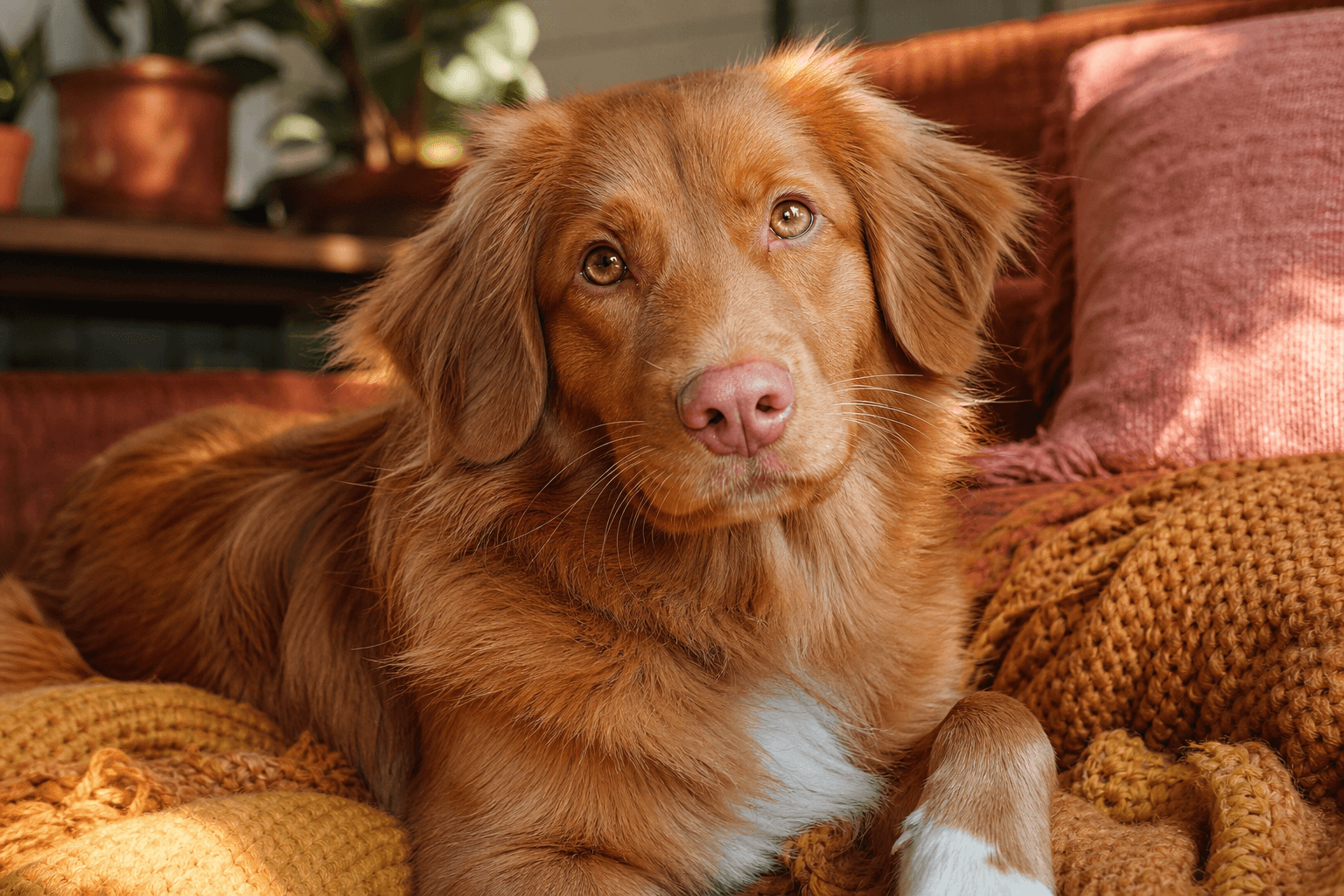
You clicked because Tollers are gorgeous, clever, and endlessly fun. We agree.
Before you bring one home, here are the exact things we wish every future Toller family knew.
Read this, get clear, and adopt with confidence.
1. Daily Energy Needs
Tollers are medium-sized retrievers with big-engine stamina. Plan on 60 to 90 minutes of real exercise daily once grown, plus potty breaks and scatter sessions.
They are happiest when that time includes chasing, swimming, or structured games, not just laps around the block.
2. Mental Work, Not Just Walks
This is a thinking dog bred to lure and retrieve waterfowl. Without brain work, they invent their own hobbies.
Rotate puzzle feeders, hide-and-seek retrieves, scent games, and short training bursts. Five minutes, three times a day beats one marathon session.
3. Grooming and Shedding
Expect a water-resistant double coat that sheds seasonally. Weekly brushing keeps the coat healthy; during spring and fall, you may brush every other day.
They carry burrs and pond smell like pros. A quick rinse after swims and thorough drying prevents skin and ear issues.
4. Training Style That Clicks
Tollers are sharp and sensitive. They blossom with positive reinforcement and clear structure; harsh corrections shut them down or spark pushback.
Short, upbeat reps with toys or food paychecks work wonders. Build off their natural retrieve and play drive.
5. Social Temperament
Most Tollers adore their people and can be reserved with strangers. Early, gentle socialization matters so that vigilance does not become wariness.
They want to be with you. If your home is empty for long hours, plan for dog walkers, day care, or a second daily outlet.
6. Barkiness and Vocal Habits
The famous Toller scream is real when excitement peaks. Many also alert-bark at movement outside.
Channel it with impulse-control games and teach a quiet cue early. If your building has thin walls, consider sound management from day one.
7. Size and Space
Adults typically land around 35 to 50 pounds. Apartments can work if you are committed to daily workouts, but a yard makes training and decompression easier.
Inside, they are compact athletes who turn into couch origami once needs are met.
8. Kids and Other Pets
With supervision and boundaries, Tollers can be wonderful with respectful children. Their play style is bouncy; teach both sides how to disengage.
Prey drive varies. Many live peacefully with cats and small pets when introduced thoughtfully, but chasing is natural, so manage intros and use leashes early.
9. Health Screening and Vet Care
As a breed, Tollers can face hip dysplasia, progressive retinal atrophy, autoimmune conditions such as Addison's disease, and ear infections from water play.
For puppies, look for hip, elbow, and eye clearances from recognized registries. For adults in rescue, ask for any orthopedic notes, thyroid history, and eye exam results if available.
Budget for quality food, dental care, and yearly wellness checks; insurance is worth pricing out with this athletic, water-loving breed.
10. Weather and Water Realities
The double coat excels in cold and damp, and many Tollers would swim daily given the chance. Rinse after ponds or saltwater and dry ears thoroughly.
In heat, watch for overheating and hot-spot risk. Exercise early, bring water, and use shade and rest breaks.
11. Time and Lifestyle Fit
If your ideal weekend is hikes, beach retrieves, and training classes, you are Toller-ready. If it is largely couch-only, this may not be your match right now.
They do fine with full-time workers who plan outlets, but struggle when left bored and under-exercised for days on end.
12. Adoption Sources and Questions
Start with breed-specific rescues and responsible breeders who retire adults. Good groups ask you many questions; that is a green flag.
Ask about reason for surrender, energy level, noise tendencies, comfort with handling, swim history, and any bite or resource-guarding notes. Meet-and-greets in neutral spaces tell you a lot.
13. Budget and Gear
Beyond adoption fees, plan for training classes, puzzles, a long line, waterproof leashes, a high-quality harness, ear cleaner, a powerful brush, and durable fetch toys that float.
Set aside an emergency fund or insurance to cover surprise vet care; active dogs find adventure.
- Two daily exercise blocks scheduled
- Plan for mental work: puzzles, scent games, training
- Grooming kit and ear care on hand
- Sound management ready for bark training
- Kids and pets intro plan written down
- No weekday care arranged; dog alone 10 hours
- Ignoring health screening or history questions