13 Factors to Consider Before You Adopt a Mini Aussiedoodle
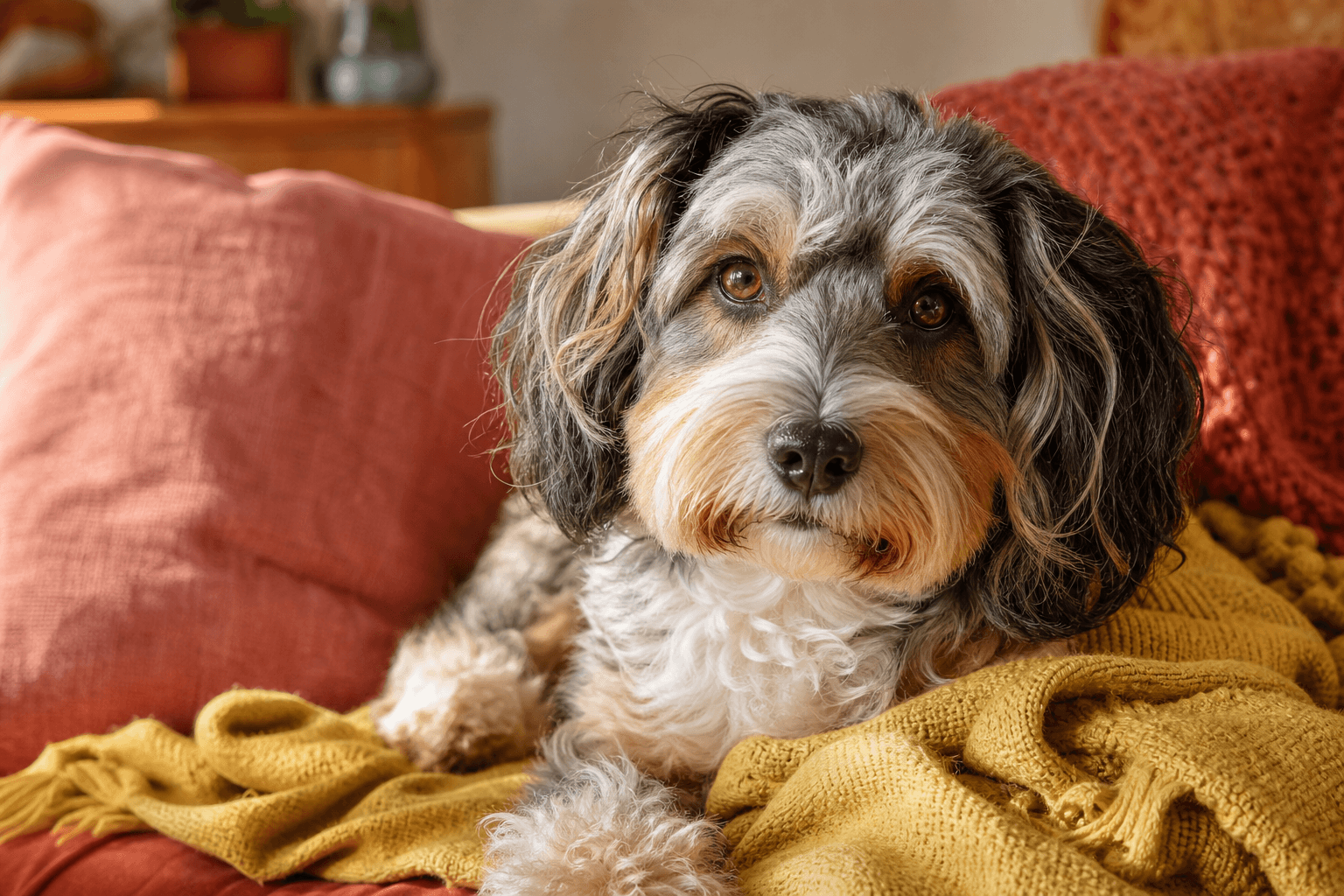
You clicked because you love the idea of a small, smart, curly Aussie mix.
Here is the clear, no-filler checklist we wish we had before bringing one home.
If you want a happy match, read these 13 factors and gut-check each one.
1. Size and Home Space
Most Mini Aussiedoodles fall in the 15 to 30 pound range and stand 13 to 18 inches tall, but mixes vary.
They are compact, not tiny; plan for a real dog footprint with a crate, bed, and zoomie lane.
2. Energy and Exercise
Both parent breeds are workers, so you are adopting a go dog, not a couch accent.
Expect 60 to 90 minutes of daily activity split between walks, play, and training, plus quick potty breaks.
3. Brain Work and Boredom
These dogs crave problems to solve. Without jobs, they invent their own, like counter scouting or herding ankles.
Rotate puzzle feeders, scent games, and two to three five-minute training sessions daily to satisfy their brain.
Pros
Why people love them
- Athletic partner for hikes and agility
- Highly trainable and eager to learn
- Usually portable size for city life
- Often lower shedding than many breeds
Cons
Trade-offs to respect
- Needs daily mental and physical work to prevent chaos
- May nip or herd without guidance
- Grooming is a real, ongoing commitment
- Can be prone to separation distress
4. Grooming and Coat Care
Coats range from wavy to curly; matting happens fast if you skip maintenance.
Plan on brushing three to five times a week, line-brushing to the skin, and professional grooms every six to eight weeks.
5. Allergies and Shedding Reality
Many Mini Aussiedoodles shed less, but no dog is guaranteed hypoallergenic.
If allergies are a concern, meet the exact dog multiple times, handle them after exercise, and confirm your reaction before committing.
6. Training Style and Consistency
They learn at the speed of light, for better or worse.
Use reward-based training with clear rules starting day one; prevent rehearsing bad habits and they will bloom.
7. Socialization and Herding Instinct
Australian Shepherd lines contribute motion sensitivity and herding tendencies.
Early, structured exposure to kids, bikes, joggers, and other dogs teaches calm instead of chase or heel-nipping.
8. Alone Time and Separation Risk
Smart, people-focused mixes can struggle with being left alone.
Crate training, independent settling on a mat, and slowly building up departures prevent distress barking and destruction.
9. Health Screening and Vet Plan
Ask about genetic testing on parents for common concerns like hip health, eye conditions, and certain poodle-related issues.
Have a first-year plan: puppy exams, vaccines, spay or neuter timing, flea and tick prevention, and dental care from the start.
10. Budget and Recurring Costs
Beyond adoption fees, budget for grooming, quality food, training classes, pet insurance, toys, and enrichment.
Groomer visits alone can rival your monthly phone bill; brushing diligence can stretch the time between clips.
11. Kids, Cats, and Other Pets
Most thrive with respectful kids and learn fast with consistent boundaries.
Redirect herding of children into games with rules, supervise early cat intros, and reward calm around smaller pets.
12. Lifestyle Fit and Travel
If you love hikes, training games, and weekend adventures, you are aligned.
Frequent long-haul travel or 10-hour workdays without help will be a poor match unless you have walkers or daycare lined up.
13. Where You Adopt From
Ethical sources share health records, let you meet the dog, and ask as many questions as you do.
Rescues and shelters often have doodle mixes; be open to age and coat variety to find the right temperament fit.
Quick readiness scan before you fall in love with a cute face
- We can provide 60 to 90 minutes of daily activity
- We will brush several times a week and book regular grooms
- Someone can do midday breaks for the first months
- We enjoy training and puzzle games
- We expect some barking and herding and will guide it
- We believe low shedding does not mean low effort
- Our schedule has no plan for exercise or training
- We need a guarantee of hypoallergenic
- We will leave the dog alone for 8 to 10 hours routinely