13 Essential Facts About Pyredoodles That Every New Owner Should Know
You clicked because you love the Pyredoodle look and calm vibe — and you want the real story fast.
We live with these gentle giants, and we will get you set up for success in minutes.
Here are the essentials every new Pyredoodle owner should know, no fluff — just the stuff that actually helps.
1. They Are Truly Big Dogs
Most Pyredoodles land in the 65 to 100 pound range and stand tall; even the “smaller” ones take up space on your couch and in your car.
They grow fast in the first year, but full maturity and filling out often take up to two years.
Plan for sturdy gear: a wide collar or well-fitted harness, a strong leash, and bowls that don’t slide.
2. Guardian Calm, Family Soft
From the Great Pyrenees side you get a watchful, steady guardian; from the Poodle, a people-focused, trainable companion.
Well-bred Pyredoodles are typically gentle with kids and polite with household pets when properly introduced.
They love being near you, but they are not clingy lap dogs — they are serene shadows.
3. The Coat Can Vary — Grooming Is Non‑Negotiable
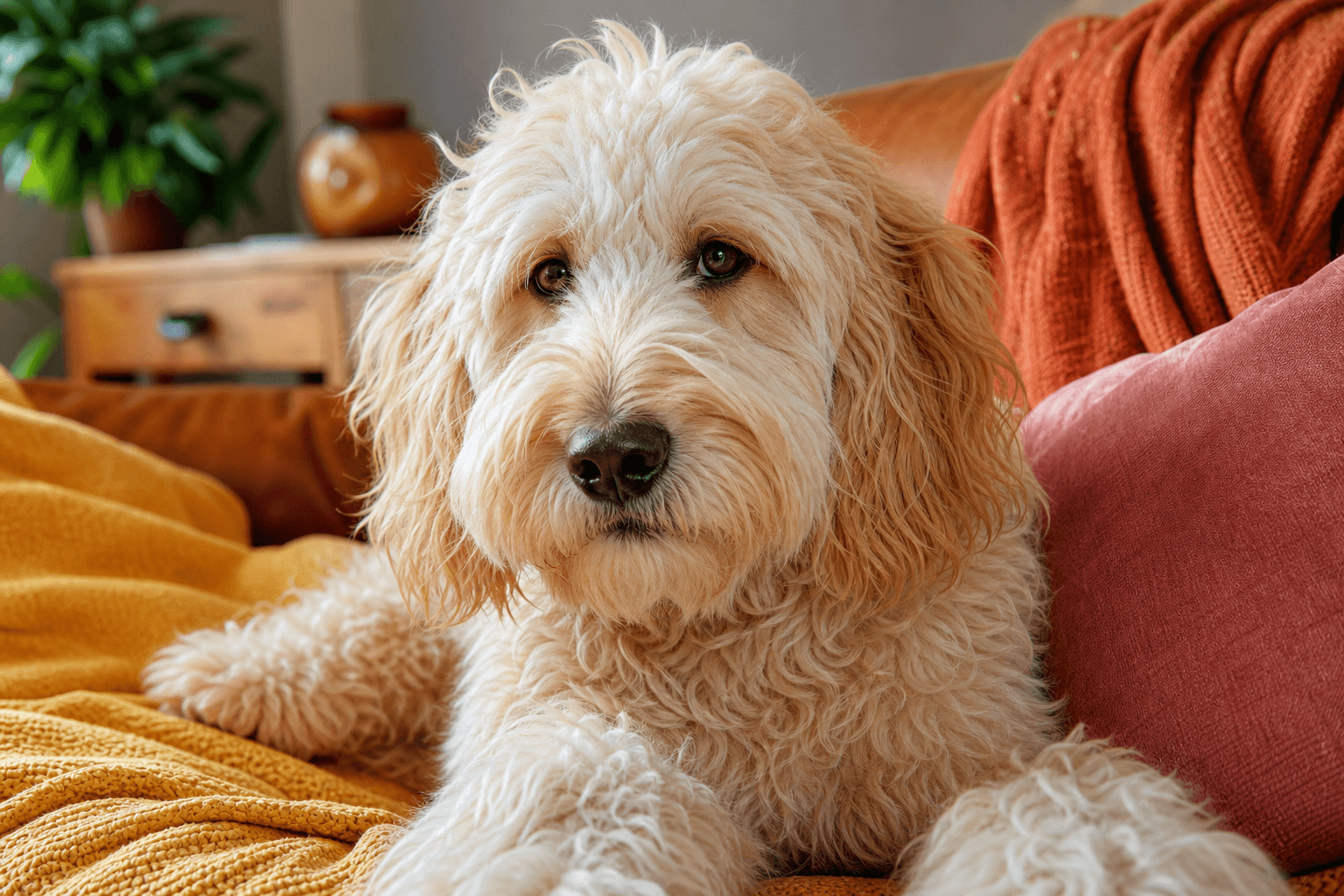
Coats range from wavy to curly; some feel more like a Pyrenees blend, others like a plush Poodle curl.
Brush thoroughly two to three times a week to prevent mats behind ears, in armpits, and along the tail.
Most owners book professional grooming every 6 to 10 weeks; nails and ear care need monthly attention.
4. Not “Hypoallergenic” — Manage Expectations
Many Pyredoodles shed less than pure Pyrenees, but no dog is truly hypoallergenic.
Allergy response depends on the individual dog’s coat and your sensitivity; meet the puppy’s parents and spend time with the litter when possible.
5. Daily Exercise, But Keep It Moderate
Plan on 60 to 90 minutes spread across the day — brisk walks, sniffaris, and short play sessions beat forced jogging.
Skip repetitive high-impact workouts while joints are developing; hiking on soft ground and puzzle games are perfect.
6. Smart, Sensitive, and a Bit Stubborn
Poodle smarts plus Pyrenees independence means they learn fast but ask, Why should I?
Use calm, consistent, reward-based training. Keep sessions short and end on a win.
Focus early on leash manners, a solid recall, and a reliable place or settle cue for greeting guests.
7. Early Socialization Shapes Everything
Expose your Pyredoodle to friendly strangers, different surfaces, car rides, and quiet observation of busy places.
Guardian breeds tend to default to caution; your job is to teach them the world is safe and predictable.
8. Expect Alert Barking — Especially at Night
Pyrenees ancestry brings a strong night patrol instinct. Many Pyredoodles will sound off at unfamiliar noises.
Teach a cue for quiet and use white noise or close curtains to limit triggers. Reward calm when the doorbell rings.
9. Yard, Fencing, and Roaming Instincts
Secure, tall fencing matters; roaming to “check the perimeter” is hardwired.
A 6-foot fence is a safer bet than a short picket. Gates should latch firmly, and tie-outs are not a substitute for supervision.
10. Cold-Friendly, Heat-Sensitive
They handle cold well with their dense coat, but heat and humidity require caution.
Exercise early and late, provide shade and cool water, and keep coats brushed to help air circulate. Avoid close shaving, which can reduce sun and heat protection.
11. Big-Dog Health Watchouts
Common concerns include hip and elbow dysplasia, bloat or gastric dilatation-volvulus, eye conditions, thyroid issues, ear infections, and skin hot spots from mats.
Choose breeders who screen hips and elbows and share health histories for both lines.
12. Feed for Slow, Joint-Safe Growth
Use a large-breed puppy formula until skeletal maturity to support steady growth and proper calcium levels.
Split meals, avoid free-feeding, and use a slow feeder if your dog bolts food.
For bloat risk, feed two to three smaller meals and limit vigorous activity one hour before and after eating.
13. The Real Cost of Owning a Pyredoodle
Budget for big-dog food, routine grooming, training classes, and preventive vet care — large dogs simply cost more to maintain.
Annual Cost Breakdown
| Expense | Annual Cost |
|---|---|
| Quality food and treats | $700–$1,200 |
| Grooming (6–8 visits) | $500–$1,000 |
| Preventive vet care | $300–$700 |
| Heartworm/flea/tick meds | $200–$400 |
| Training and enrichment | $150–$500 |
| Insurance or emergency fund | $400–$900 |
| Misc. (beds, bowls, leashes, toys) | $150–$350 |
| Est. Annual Total | $2,400–$5,050 per year (typical range) |
Ready to decide if a Pyredoodle fits your life?