13 Essential Facts About Poochons That Every New Owner Should Know
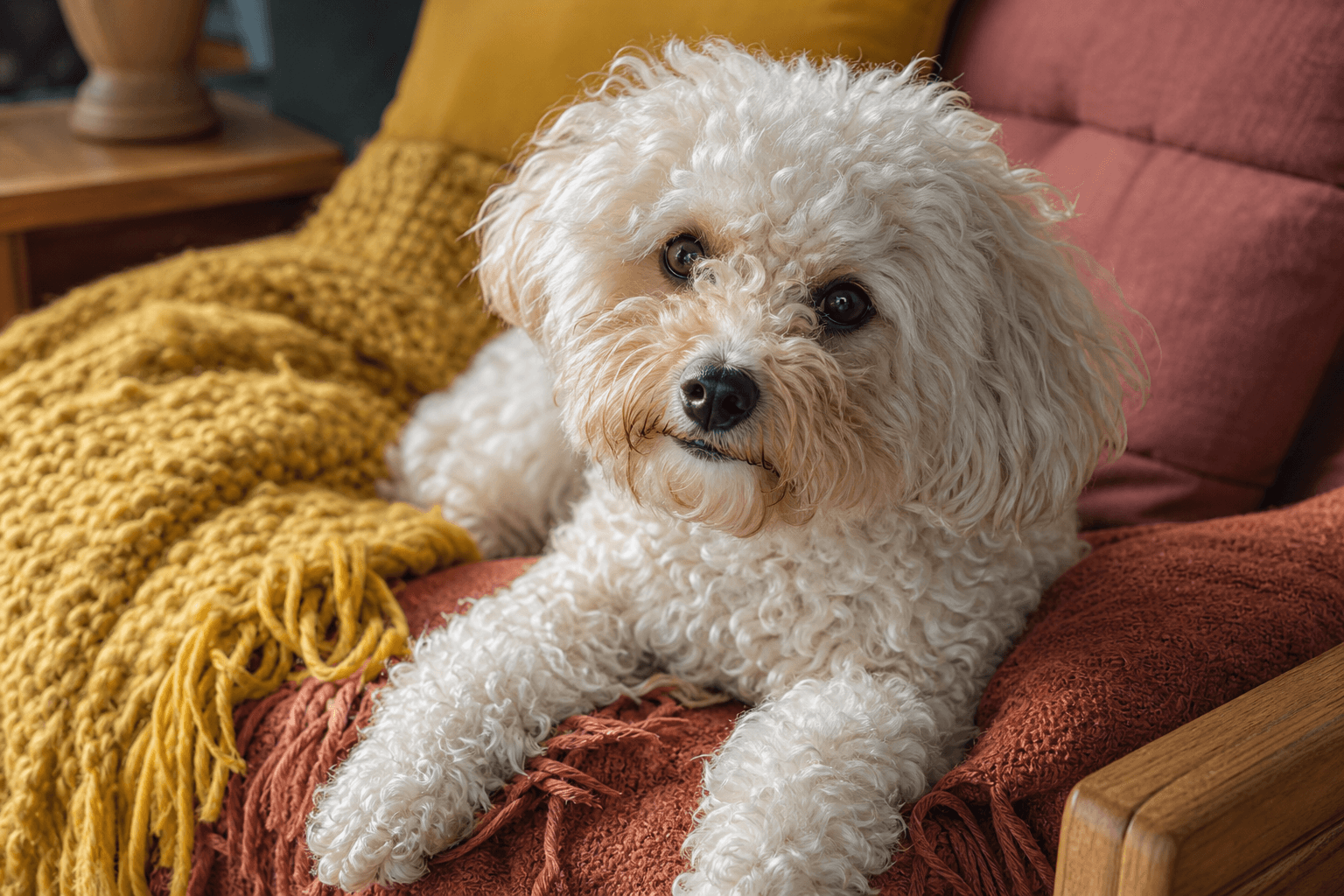
You clicked because you want the real Poochon picture, fast.
We have lived the highs of that teddy face and the lows of matting and zoomies, so here is the no-fluff guide.
Skim the list, pick your action items, and you will be ahead of most new owners by tonight.
1. Compact Size, Big Personality
Poochons are typically 8 to 15 inches at the shoulder and 8 to 18 pounds, depending on whether the Poodle parent was Toy or Miniature.
They feel small in your arms, but their confidence and curiosity fill a room. Child-height furniture and baby gates suddenly matter.
2. Friendly, People-Oriented Temperament
Expect a cheerful, affectionate shadow who wants to be where you are.
With thoughtful socialization, they are polite greeters and playful companions for respectful kids and other friendly pets.
3. The Coat Is Gorgeous—And Work
The wavy to curly coat mats fast at friction points like behind ears, armpits, collar line, and tail base.
Plan on brushing three to four times a week and a professional groom every six to eight weeks to prevent painful mats and skin issues.
Brush Routine
Slicker brush to lift curls, then a metal comb to the skin. If the comb snags, you still have a tangle.
Bath Timing
Only bathe when fully brushed out. Water tightens knots. Use a dog-safe conditioner for slip.
Clip Length
A 0.5 to 1 inch pet trim stays tidy longer. Faces and feet grow fastest; ask for clean eyes and sanitary trim.
Tools That Help
Slicker, steel comb, detangler spray, grooming loop, and a lick mat for cooperation.
4. Low-Shedding, Not Magic
Poochons are usually low-shedding and can be a better fit for some allergy sufferers thanks to their Poodle and Bichon lineage.
Allergies are individual and triggered by dander and saliva, not just hair. Meet the actual dog before committing, and keep up with cleaning and HEPA filtration.
5. Daily Exercise Beats the Zoomies
Plan on 45 to 60 minutes total daily: brisk walks plus play or sniff work.
Mentally satisfying activities like sniffy walks, hide-and-seek, and food puzzles tire them out more than endless fetch.
6. Smart and Eager—Use It
With Poodle brains and Bichon charm, they love learning. Keep sessions short, upbeat, and reward-based.
House training can take patience. Consistent schedules, a small overnight area, and immediate outdoor trips after sleep, play, and meals make the difference.
7. Social Needs and Separation
Poochons bond hard and may struggle if left alone for long stretches.
Teach independence early with short, boring departures, safe chews, and a predictable routine. Dog sitters or daycare a few times a week can prevent anxiety spirals.
8. Common Health Watchouts
Reputable breeders screen for inherited issues, but you should still watch for luxating patellas, dental crowding, ear infections in fluffy ears, allergies, and tear staining.
Keep nails short, clean ears after baths, and prioritize daily dental care. Annual exams and baseline bloodwork from middle age catch small issues early.
9. Lifespan and Aging Well
Many Poochons live 12 to 16 years with good care.
Lean body condition, dental hygiene, joint protection, and engaging routines keep seniors spry and comfortable.
10. Apartment Friendly, With Caveats
Their size and adaptability suit apartments, but they can be alert barkers.
Meet their exercise and enrichment needs, practice a quiet cue, and frost windows at dog-height if visual triggers set them off.
11. Budget for Professional Grooming
Expect a groom every six to eight weeks in most climates. Prices vary by region, coat length, and behavior cooperation.
Between grooms, you are in charge of brushing, eye and bum tidies, and paw trims. Skipping care usually leads to a shave-down for comfort.
12. Crossbreed Variability Is Real
As a Bichon Frise and Poodle mix, Poochons can lean more curly or more wavy, more laid-back or more zippy.
Meet both parents, ask about temperaments, and expect some surprises. Designer breed names do not guarantee identical outcomes.
13. Your First-Week Starter Plan
Set up a small, safe home base with a crate or pen, washable bed, water, and a couple of chew options.
- Two short training sessions daily using tiny soft treats
- Brush and comb check three times this week, five minutes tops
- One sniff-focused walk and one play session every day
- Alone-time practice twice a day, starting at five minutes
- Skip free-feeding; use meals for training and puzzles
- No long stairs or couch jumping for young joints
Keep it simple and consistent. Wins stack fast with this breed.