13 Essential Facts About Neapolitan Mastiffs That Every New Owner Should Know
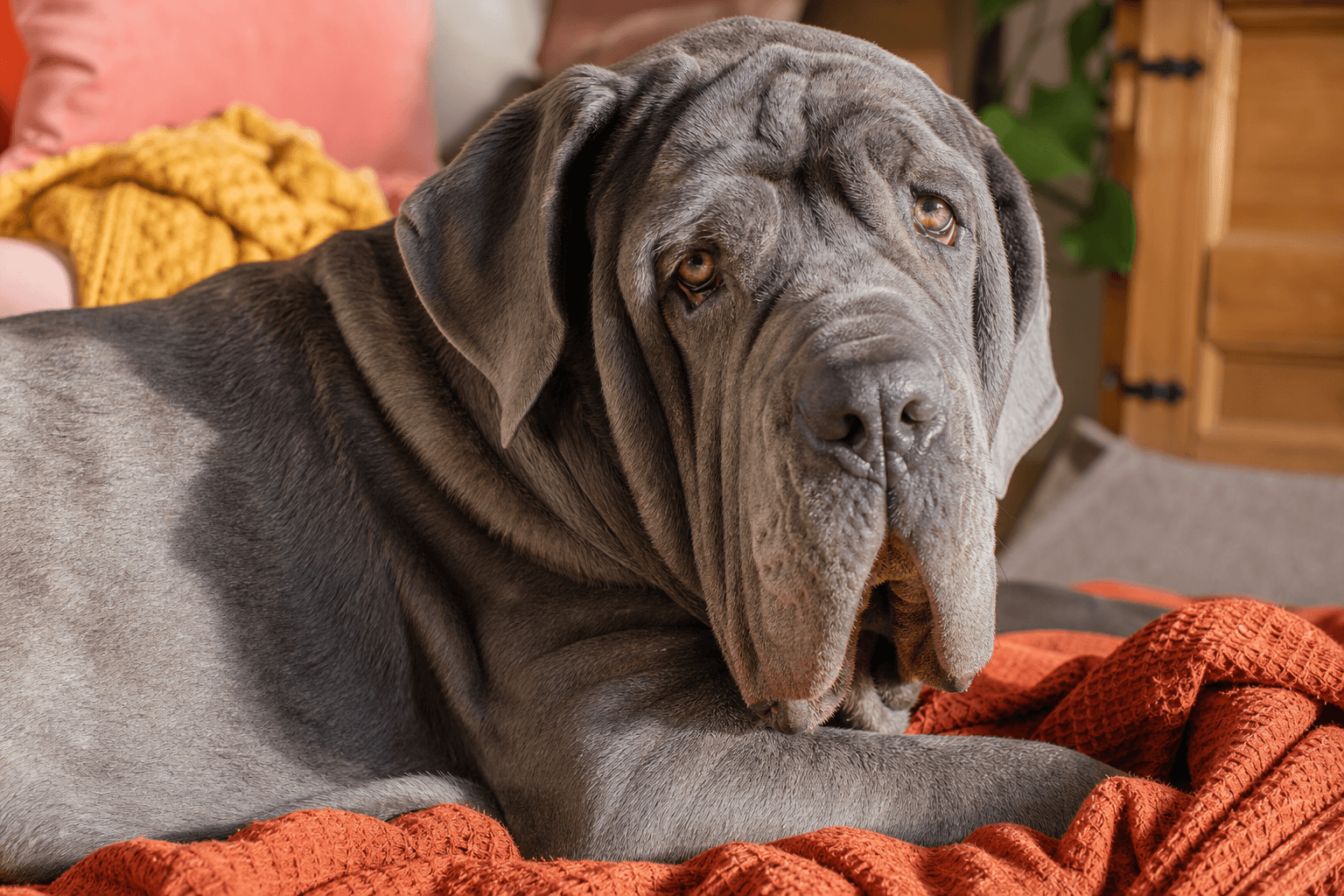
You fell for those soulful eyes and majestic wrinkles. We get it.
Here is exactly what matters in daily life with a Neapolitan Mastiff — short, honest, and field-tested.
Skim this before you bring your new giant home so you set both of you up for calm, confident success.
1. They Are Truly Giant
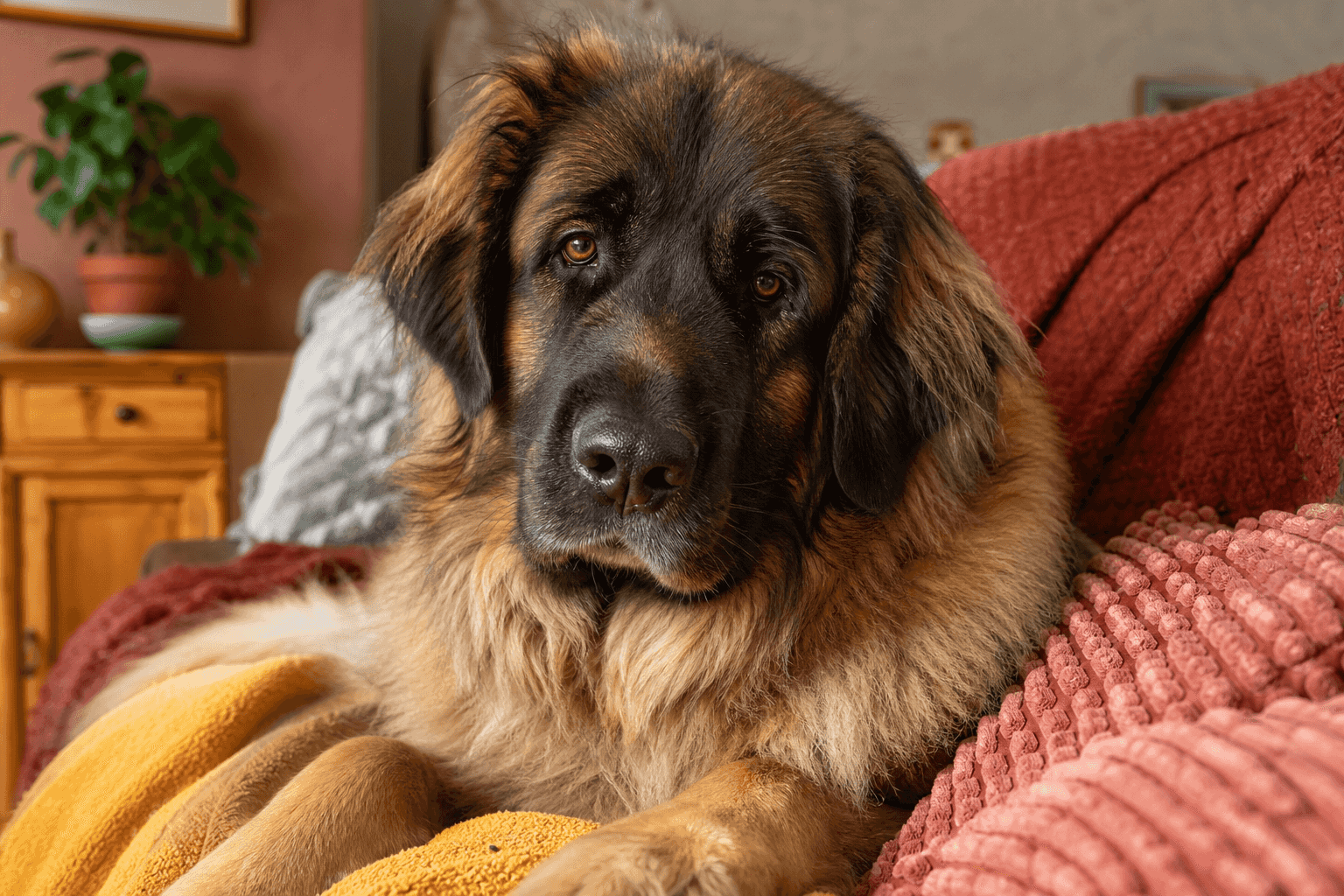
Neapolitan Mastiffs are massive, with heavy bone and muscle that fill a room fast.
Plan handling and logistics: wide doorways, non-slip floors, and a vehicle that can safely load a 120-plus pound dog.
2. Guardian Heart, Soft With Family
They are deeply loyal, naturally suspicious of strangers, and incredibly affectionate with their people.
Expect a calm shadow at home and a thoughtful, watchful presence around new faces.
3. Early Socialization Is Non-Negotiable
Without structured exposure to people, places, and sounds, their natural wariness can harden into reactivity.
Short, positive meet-and-greets and neutral observation from a distance work better than forced interactions.
4. Exercise: Moderate, Not Marathon
Daily movement matters, but this is not a running buddy.
Think two relaxed walks and sniffing sessions; puppies should avoid long stairs and jumping to protect joints.
5. Wrinkle Care Beats Coat Care
The short coat is easy, but the skin folds are not.
Clean and dry wrinkles several times a week to prevent infection; pay special attention after meals and in hot weather.
6. The Drool Is Real
Expect strings on walls, pants, and guests.
Keep absorbent cloths at entryways and feed-water stations; a bandana helps catch drips after drinking.
7. Heat Sensitivity Is Serious
Their heavy build and loose skin hold heat, and many have shorter muzzles that inefficiently cool air.
Walk early or late, carry water, provide shade, and skip exertion in warm, humid weather.
8. Training Style: Calm, Clear, Brief
They are intelligent but independent; drilling bores them.
Use short sessions, clear boundaries, and high-value rewards; keep greetings and door manners polished from day one.
9. Feed for Joints and Slow Growth
Choose a large-breed puppy formula to avoid rapid growth that strains hips and elbows.
For adults, controlled calories, joint-supportive nutrients, and measured meals reduce bloat risk.
10. Health Watch-List
Common concerns include hip and elbow dysplasia, cherry eye, entropion, cardiomyopathy, skin infections, and bloat.
Learn your dog’s normal, split meals, use a slow feeder, and discuss preventive screening with your vet.
11. Home Setup and Space
They need room to turn, stretch, and sleep on a supportive, orthopedic bed.
Secure fencing, non-slip rugs, elevated bowls at a comfortable height, and baby gates for stairs help daily life.
12. Ownership Is Expensive
Food, giant-size gear, training, and veterinary care add up quickly for a dog this big.
Budget for insurance, orthopedic bedding, and potential eye or orthopedic surgeries over a lifetime.
13. Expect a Shorter Lifespan
Most Neos live roughly seven to nine years.
This makes presence, preventive care, and quality daily routines even more important.
| Category | Rating |
|---|---|
| Family Affection | |
| Stranger Friendliness | |
| Trainability | |
| Energy Level | |
| Grooming Needs | |
| Drool Factor |
Daily success rules
- Protect the jointsNo hard running or jumping, especially under 18 months.
- Make calm normalReward quiet observation around new people and places.
- Clean the foldsWipe and dry wrinkles several times a week.
- Plan the exitsTeach wait at doors and polite leash manners early.