13 Essential Facts About Goldadors That Every New Owner Should Know
You clicked because you want the real story on Goldadors, fast.
We have lived the retriever mix life — the joy, the hair, the zoomies — and we will help you skip the rookie mistakes.
Here are the essentials that actually matter once a Goldador is in your home.
1. Friendly, People-Oriented Temperament
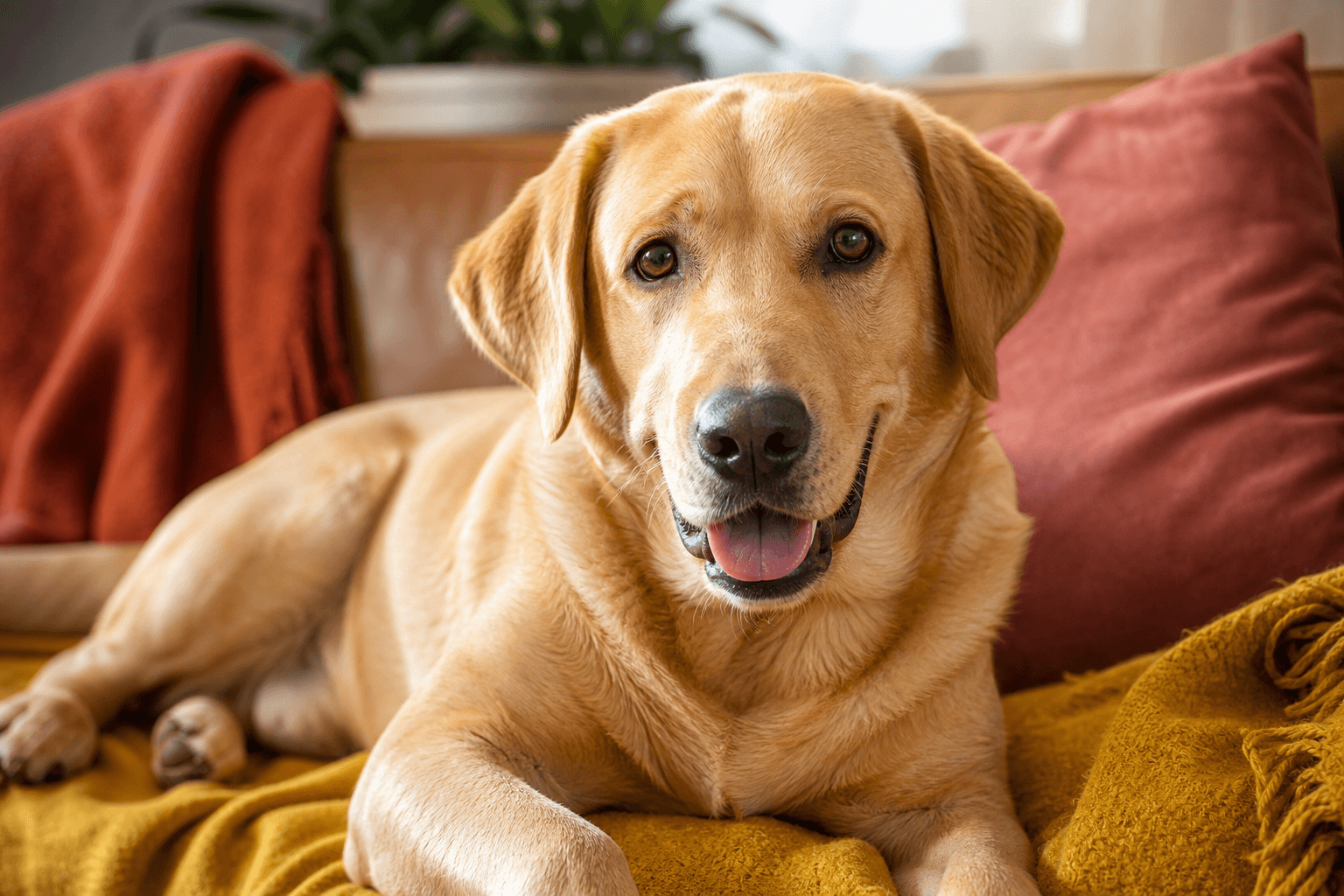
Goldadors are a Golden Retriever x Labrador mix bred for companionship and work, so they are **social, gentle, and eager to please**.
They are usually terrible guard dogs; they welcome guests with a wag and a toy.
2. Large, Athletic Size
Most adults land around **55 to 80 pounds** with sturdy frames and thick, weather-resistant coats.
They are strong; plan early leash manners so your shoulders survive adolescence.
3. Daily Exercise Is Non-Negotiable
Budget **60 to 90 minutes a day**, split between brisk walks, fetch, and sniffy exploration.
Under-exercised Goldadors invent jobs you will not like: counter-surfing, excavation, and karaoke.
4. Expect Shedding and Simple Grooming
They **shed year-round**, with extra blowouts in spring and fall.
Brush 2 to 3 times weekly, bathe every 6 to 8 weeks, and keep ears dry after swims to prevent infections.
5. Health Watchlist You Can Act On
Like both parent breeds, watch for **hip and elbow dysplasia, eye disease, ear infections, allergies, and obesity**.
Ask Breeders For
OFA hips and elbows, ophthalmologist eye exam, and ideally a cardiac check on parents.
At Home
Keep them lean, use ramp-friendly habits, and schedule annual vet checks with dental care.
6. Eager To Train — With the Right Fuel
Food and praise power this mix. Use **positive reinforcement**, short sessions, and high-value treats.
Expect a mouthy, jumpy teen phase; channel it into fetch, tug on cue, and impulse-control games like sit-to-greet.
7. Not a Fan of Being Alone
Goldadors crave company and can develop **separation distress** if suddenly left for long days.
Build solitude slowly, use stuffed Kongs, and consider midday help during the first year.
8. Yard Helps, Commitment Matters More
A fenced yard is great, but the real difference is **daily structure**: walks, training, and enrichment.
Apartment living works if you keep a schedule and meet their exercise quota.
9. Feed for Joints and Steady Growth
For pups, choose a **large-breed puppy formula** to reduce rapid growth and joint stress.
Adults thrive on measured meals, omega-3s for skin and joints, and minimal table scraps.
10. Water Lovers Need Water Rules
Most Goldadors adore swimming and retrieving. Rinse after lakes, and **dry ears thoroughly**.
Teach a release cue before water access and watch for cold-water cramps or overexertion.
11. A Natural Fit for Families and Other Pets
They are typically **kid-soft and dog-social** with sane introductions and supervision.
Teach children to respect space around food, beds, and crates; reward calm greetings on both sides.
12. Realistic Costs and Smart Sourcing
Crossbreeds vary: adoption is often **lower cost** and common for retriever mixes; purpose-bred Goldadors may carry premium pricing.
- Meet both parents or temperament-test adults
- See hip, elbow, and eye results in writing
- Buy from anyone without health clearances
- Choose solely by coat color
13. Lifespan and Aging Gracefully
Expect roughly **10 to 13 years**. Keep them slim, keep them moving, and keep their brains busy for the best odds of a long, happy life.
Quick reality check before you decide
Pros
Why they shine
- Affectionate, trainable, and versatile
- Great with active families and first-time owners who commit
- Enjoys work: therapy, service, field games
Cons
What to plan around
- High exercise needs and heavy shedding
- Prone to joint issues if overfed or overjumped young
- Not a watchdog; loves everyone