13 Essential Facts About Black Russian Terriers That Every New Owner Should Know
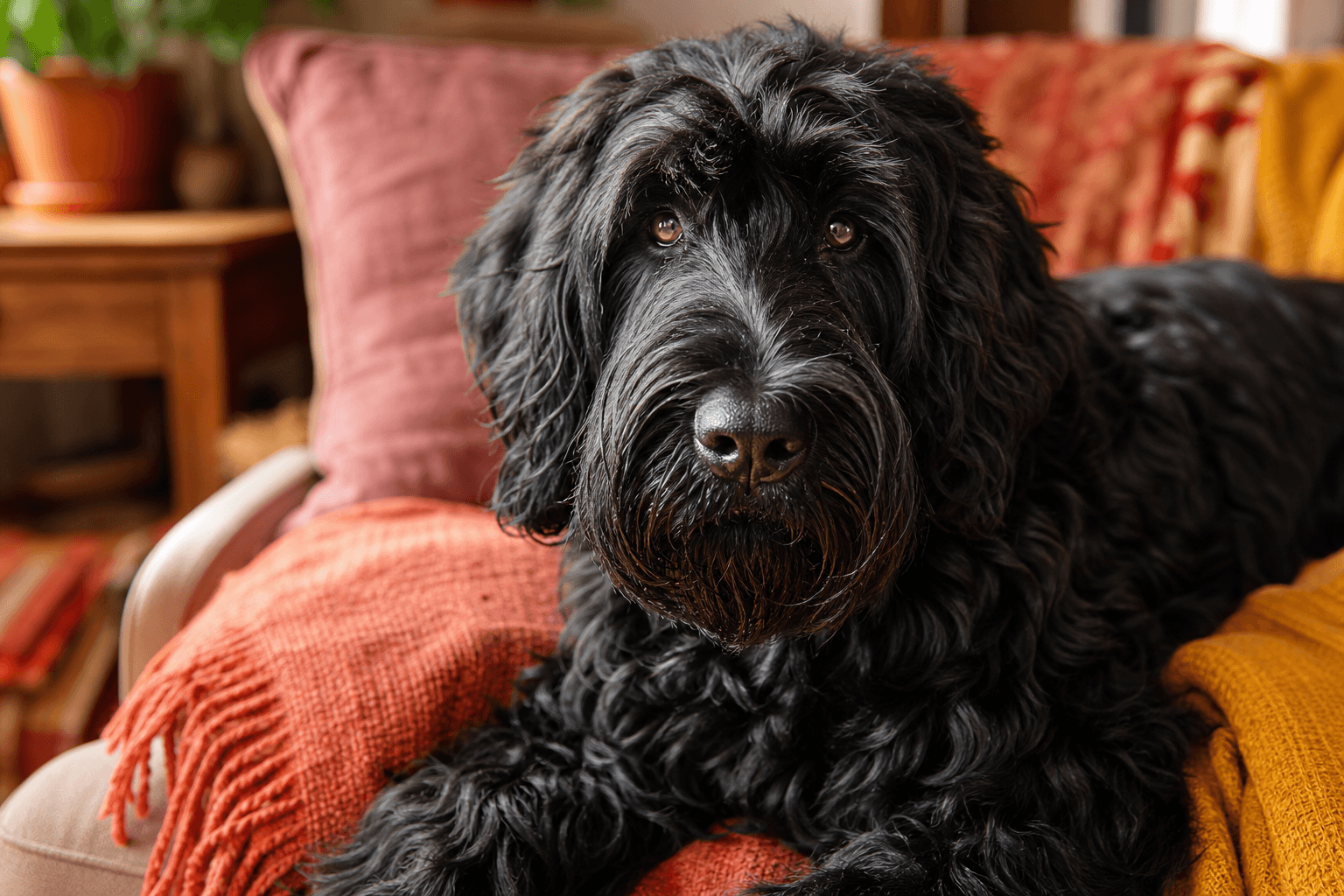
You clicked because you want the real story on Black Russian Terriers, fast.
We live with these big shadows every day, and we love what makes them special.
Here are the facts that actually matter, so you can start strong and skip the guesswork.
1. They Are Not True Terriers
Despite the name, this breed is a modern Russian guardian created from multiple working dogs, not a feisty earthdog terrier.
Expect a confident, steady protector with a serious work ethic, not a scrappy digger.
2. Big, Substantial, And Purpose-Built
Males commonly stand around 27 to 30 inches and many weigh 100 pounds or more.
You need room to move, and the ability to guide a powerful dog with calm, consistent handling.
3. Temperament: Devoted, Discerning, And Calm-Confident
With family, they are affectionate and deeply attached; with strangers, they are reserved and observant.
Early, ongoing socialization keeps that confidence grounded and prevents over-guarding.
4. Daily Exercise — Body And Brain
Plan on 60 to 90 minutes total daily, split between purposeful walks, training games, and sniffy decompression.
They do best with structured work like obedience, tracking, or nosework rather than endless fetch.
5. Training Style Matters More Than Time
They thrive on firm but fair, reward-based training with clear boundaries and calm leadership.
Short, focused sessions that build impulse control beat marathon drills every time.
6. The Coat: Low Shed, High Maintenance
The dense, weather-resistant black coat sheds minimally but demands brushing several times a week to prevent mats, plus professional scissoring every 6 to 8 weeks.
Keep the beard clean after meals and walks; moisture and crumbs can cause irritation.
7. Cold Hardy, Heat Sensitive
They handle cold and wet like champs, but struggle in heat and humidity.
Prioritize shade, cool floors, and shorter outings at dawn and dusk in summer.
8. Health Testing You Should Ask For
Responsible breeders screen hips and elbows, check eyes and thyroid, and DNA-test for JLPP, a serious inherited nerve condition.
Ask to see written results and meet mature relatives to gauge temperament and soundness.
9. Feed For Slow, Steady Growth
Use large-breed puppy food to avoid rapid growth that stresses joints, and keep young dogs lean.
As adults, aim for a visible waist and easy rib feel; excess weight shortens working life.
10. Know The Signs Of Bloat
Like many big, deep-chested breeds, Black Russian Terriers can be at risk for gastric dilatation-volvulus.
Use slow bowls, split meals, avoid hard exercise right around feeding, and discuss preventive gastropexy with your vet.
11. Other Dogs And Pets
Many are polite but not playful-social with unknown dogs and can be selective, especially with same-sex adults.
Thoughtful introductions and management beat dog-park free-for-alls.
12. Home Setup And Security
A solid fence, a quiet place to decompress, and clear house rules for greeting guests keep everyone comfortable.
They are natural watchdogs; your calm guidance tells them when to stand down.
13. Lifespan, Costs, And Commitment
Expect roughly 10 to 12 years with quality care, regular grooming, training, and health checks.
Budget for professional grooming, large-breed food, training classes, and insurance — the upfront structure pays you back in a steady, wonderful companion.
| Category | Rating |
|---|---|
| Trainability | |
| Energy Level | |
| Grooming Needs | |
| Watchdog/Guardian | |
| Good With Kids | |
| Dog Friendliness | |
| Heat Tolerance |