13 Essential Care Tips Every New Havapoo Owner Should Know
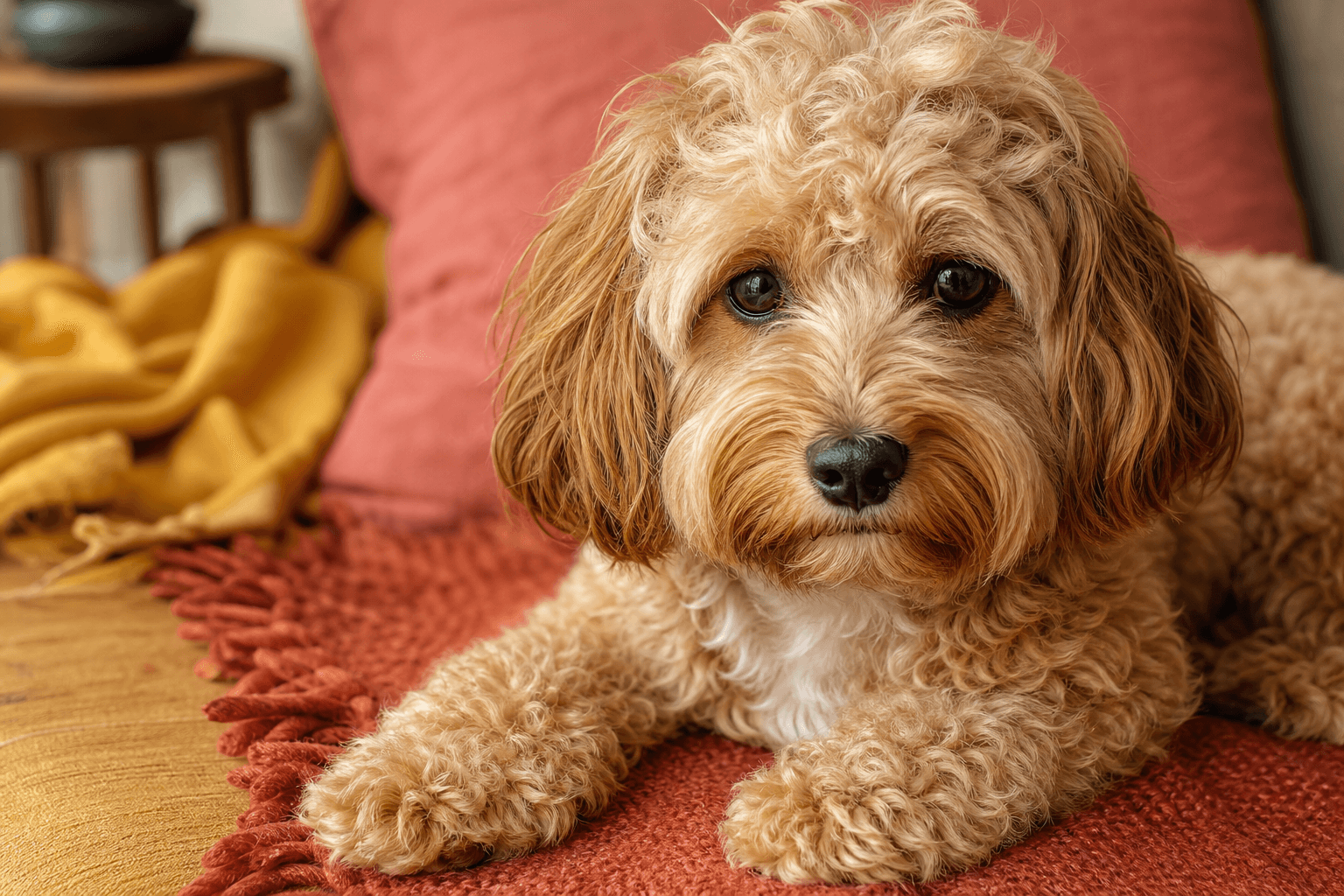
You brought home a Havapoo and want to get it right from the start.
Here are the care tips we wish someone had handed us on day one, distilled and simple.
Follow these and you will skip most of the new-puppy headaches.
1. Know the Mix You Have
Havapoos are a Havanese and Poodle cross, usually toy or miniature Poodle. Expect a bright, people-focused companion with a soft, wavy to curly coat.
Energy sits in the small-but-spirited range. Many inherit a sensitive streak, so gentle training wins.
Adult size
Typically 10 to 20 pounds; toy lines trend smaller
Coat type
Wavy to curly, low shedding but mat-prone
Temperament
Affectionate, clever, social, can be velcro-like
Lifestyle fit
Great for apartments if exercised and not left alone too long
2. Set Up a Simple Grooming Routine
Start day one: a soft slicker brush every other day and a metal comb to check for snags behind ears, armpits, collar line, and tail base.
Bath every three to four weeks with a gentle, dog-safe shampoo; blow-dry on cool and brush as you dry to prevent mats setting.
3. Feed for Brains and Bones
Choose a complete and balanced small-breed puppy food for growth, then transition to adult around 10 to 12 months unless your vet advises otherwise.
Measure meals. Two to three feedings daily as a puppy, then two as an adult. Avoid free-feeding; it complicates potty training and weight control.
4. Nail Potty Training the Easy Way
Take your Havapoo out first thing, after meals, after play, and before bed. Same spot, same cue word, calm praise plus a tiny treat the moment they finish.
Crate helps when you cannot watch. Accidents happen; clean with an enzymatic cleaner and reset, no scolding.
5. Exercise Smart, Not Just More
Plan two short walks plus play breaks. Little bodies tire, but brains have fuel to spare.
Mix in sniffy walks, fetch on carpet for traction, and gentle stair caution while growth plates are open.
6. Socialize With Intention
Pair new sights, sounds, surfaces, and people with something your puppy loves before fear periods set in.
Keep sessions brief and upbeat. One good hello beats five overwhelmed ones.
7. Brush Those Teeth Early
Small breeds collect tartar fast. Introduce a finger brush and dog toothpaste three to four times a week; daily is gold.
Add dental chews approved by your vet and plan for professional cleanings as recommended.
8. Crate and Alone-Time Training
Make the crate a safe bedroom with a chew and a cover. Feed meals there, door open, then build short, calm lock-ins.
Practice tiny departures so they learn that coming and going is routine, not a drama.
9. Mind the Ears and Tear Stains
Floppy, hair-lined ears can trap moisture. Check weekly; wipe the outer ear with a dog ear cleaner on cotton, never insert deep.
For tear staining, keep the eye area dry, wipe gently daily, and ask your vet to rule out irritation or blocked ducts.
10. Keep the Coat Mat-Free
Mats hide at the collar, behind elbows, and in the groin. If a comb cannot pass, you have a mat forming.
Use a detangling spray and work small sections from ends to skin. Severe mats need a professional; shaving can be kinder than painful dematting.
11. Train for Calm Greetings
Havapoos love people, which can mean launch-level jumping. Teach sit to say please and only give attention when all four feet are down.
Ask friends to help. Calm in, calm out becomes the house rule.
12. Vet Care and Preventatives
Set a first visit within a week. Keep vaccines on schedule, discuss parasite prevention, and ask about screening for knee issues and eyes common in small breeds.
Spay or neuter timing varies; decide with your vet based on age, size, and lifestyle.
13. Enrichment Beats Boredom
Rotate puzzle feeders, snuffle mats, and short training games. Ten minutes of nose work can settle your Havapoo better than a long march.
Teach easy tricks to tap their Poodle brains and Havanese desire to please.
Quick recap to keep you on track