13 Essential Care Tips Every New Beauceron Owner Should Know
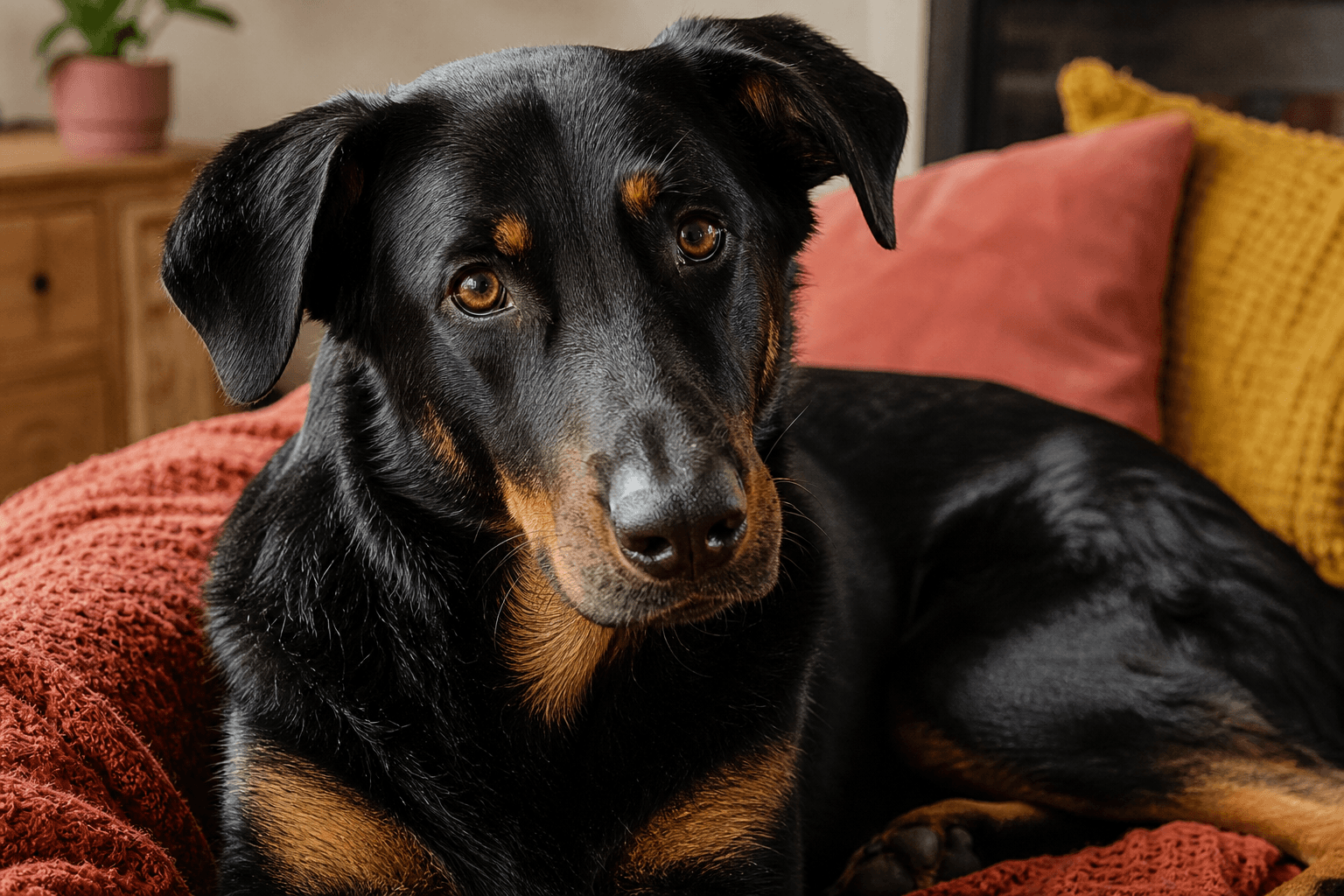
You brought home a Beauceron, and the potential is thrilling.
Powerful, smart, and loyal — but they need a clear plan from day one.
Here are the care essentials we wish every new Beauceron family knew, distilled and practical.
1. Start With Structure On Day One
Beaucerons relax when they understand the routine. Feed, potty, training, play, and rest should have predictable windows.
Use a crate or defined rest spot so they learn to switch off; a giant brain needs scheduled downtime.
2. Socialize With Purpose, Not Chaos
They can be naturally reserved and discerning. Prioritize calm exposures to friendly people, dogs, surfaces, and sounds before 16 weeks and continue through adolescence.
Keep sessions short, reward curiosity, and end while it’s going well — quality beats quantity.
3. Work Their Brain As Much As Their Body
This is a thinking herder. Daily obedience reps, scent games, place work, and problem-solving toys drain energy better than endless fetch.
4. Mind Puppy Joints And Growth
Until growth plates close (often 14–18 months), limit repetitive impact: no daily stair sprints, long runs, or jumping out of SUVs.
Choose controlled free play on grass, gentle hill walks, and short training bursts to build coordination without strain.
5. Nail Recall And Leash Skills Early
Strong, fast, and opinionated — you want reliable communication. Teach name response, loose-leash walking, and an emergency recall with high-value rewards.
Skip off-leash freedom until you can call them off wildlife, dogs, and doorways every time.
6. Brush The Double Coat Weekly (And More In Shedding Season)
The short, dense coat sheds year-round and blows seasonally. A slicker or rubber curry weekly, plus a de-shedding tool during spring/fall, keeps hair manageable.
Baths are occasional; over-bathing can dry the skin. Always dry thoroughly in cold weather.
7. Don’t Forget The Double Dewclaws
Rear double dewclaws are a Beauceron hallmark and need regular attention. Check for snagging, split nails, and trapped debris.
Trim little and often so the unique claws stay neat and functional.
8. Feed For A Large, Athletic Breed
Choose a complete large-breed puppy formula for controlled growth, then transition to an adult performance or active-dog diet per your vet’s guidance.
Body condition matters more than the bag’s chart: you should feel ribs with light pressure and see a defined waist.
9. Prevent Bloat With Smart Routines
Deep-chested breeds face a higher risk of gastric dilatation-volvulus. Split meals, use slow feeders if they inhale food, and avoid heavy exercise for at least an hour after eating.
10. Create A Secure Yard And Home
Think tall, sturdy fencing — they are athletic problem-solvers. Check latches, gaps, and dig zones.
Leash or long line for doorways and new areas; their herding instincts can kick in fast around joggers, bikes, or livestock.
11. Be Fair, Firm, And Consistent In Training
They respond best to clear boundaries and calm, confident handling. Mark and reward the behavior you want; interrupt and redirect what you don’t.
Short sessions, daily. Precision now prevents pushback later.
12. Plan Vet Care Around Real Beauceron Risks
Discuss screening for hips and elbows, eye checks, and heart health as recommended by your vet. Learn your dog’s baseline so you can spot subtle changes.
Ask about gastropexy at the time of spay/neuter to reduce the risk of stomach torsion in an emergency.
13. Give Them A Job — And Your Time
Tracking, herding lessons, scent work, obedience, canicross, or long hikes with rules — a Beauceron thrives when partnered in real work.
Daily engagement builds the companion you imagined: steady, biddable, and deeply bonded.
Quick wins to put this into practice
- Set a simple daily schedule (meals, training, play, rest) and stick to it for two weeks
- Invite three calm, dog-savvy friends to help with structured social visits this week
- Buy a slow feeder and split meals to reduce bloat risk
- Introduce a 20–30 minute sniff-walk with two short training breaks
- Let off-leash happen before recall is reliable
- Over-exercise your puppy on stairs or pavement