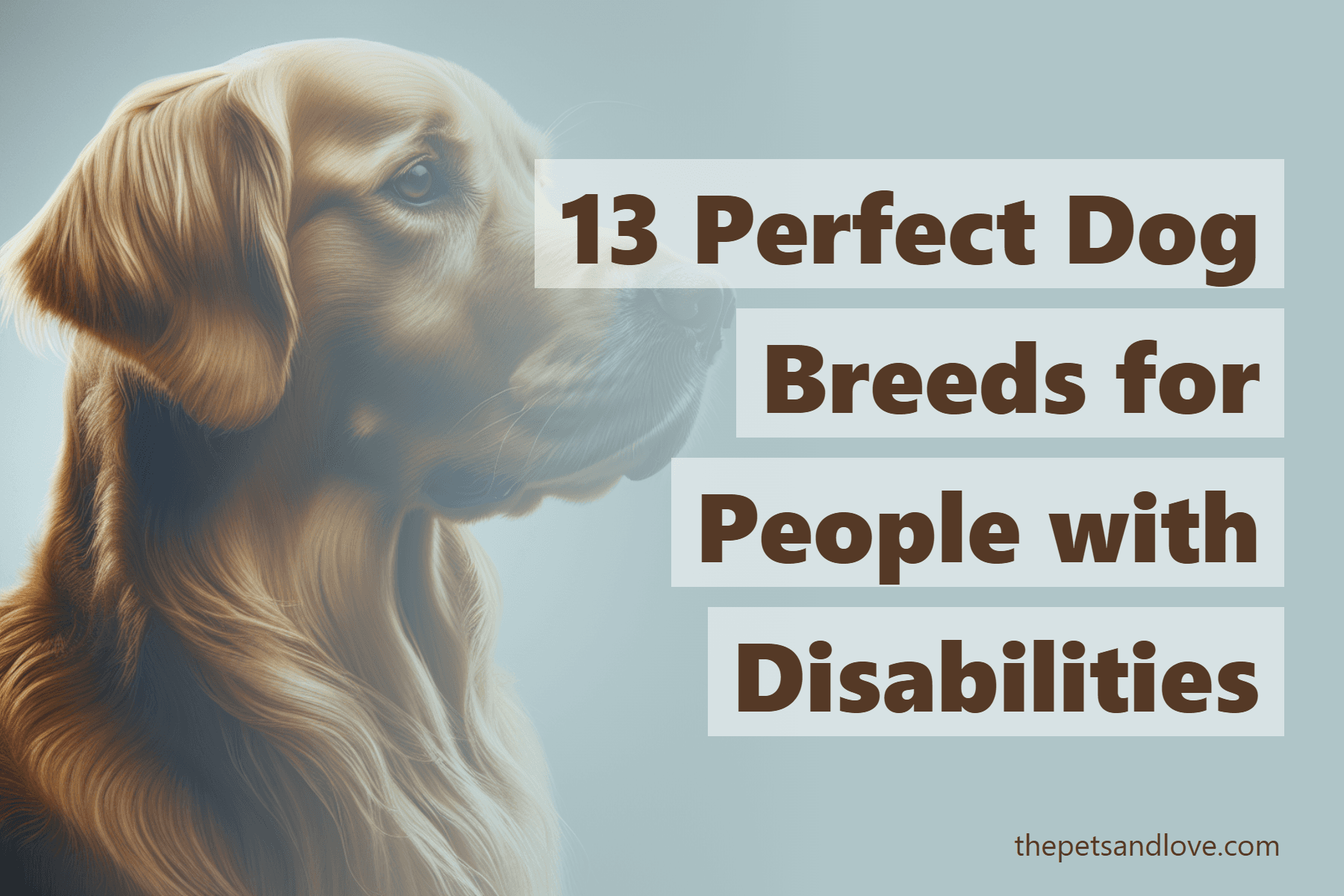
13 Perfect Dog Breeds for People with Disabilities
If you or someone you love lives with a disability, the right dog can be so much more than a pet.
They can pick up dropped keys. Brace you as you stand. Alert you to a doorbell you can't hear — or simply lean into you on the days that feel too heavy.
Here's the truth: some breeds are just naturally better suited to this kind of work. And after years of meeting dogs who quietly change their owners' lives, the same names keep coming up.
Below are 13 of the best dog breeds for people with disabilities — chosen for their temperament, trainability, and the real-world support they offer.
“The right dog doesn't just help you get through the day — they become the reason it feels lighter.”
Golden Retriever & Labrador Retriever
Let's start with the classics — and they're classics for a reason.
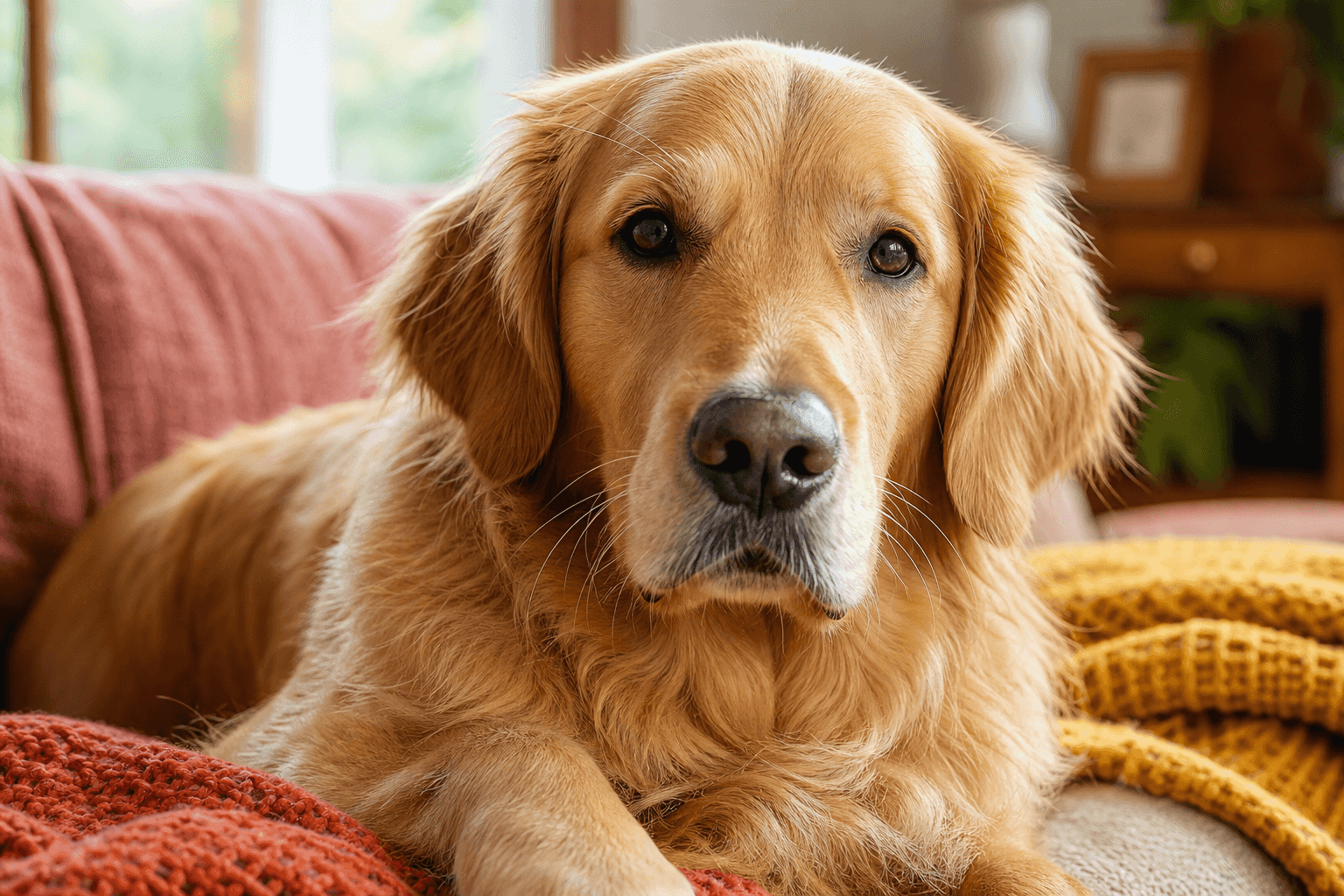
Goldens and Labs are friendly, calm, and almost desperate to please. That combination makes them a dream to train.
You'll find these two working as guide dogs, mobility assistants, and emotional support animals more than any other breed.
What can they actually do? A lot.
Practical helpers
They can pick up dropped items, open doors, and fetch medication or a phone on command.
Steady comfort
Many offer deep, grounding pressure during anxiety or panic — leaning in when you need it most.
Endlessly patient
Their gentle nature makes them safe around kids, wheelchairs, and busy households.
Highly trainable
Eager to work and quick to learn, which shortens the road to a reliable partner.
If you want a dependable helper with a big heart, this is where to begin.
Next up, a breed that reads your needs before you say a word.
German Shepherd
Smart, loyal, and deeply protective — German Shepherds are wired to respond to their person.
They're commonly trained for hearing and vision support, and they bond so intensely that they've become one of the go-to breeds for people living with PTSD.
But there's a catch.
Put in the work, though, and the payoff is enormous: a devoted partner who seems to anticipate what you need.
Poodle
Don't let the fancy haircut fool you.
Poodles — especially Standards — are whip-smart and hypoallergenic, which makes them a rare win for owners with allergies or asthma.
They excel at guide work, mobility support, and sound alerting. And because they're so emotionally sensitive, they make natural comforters too.
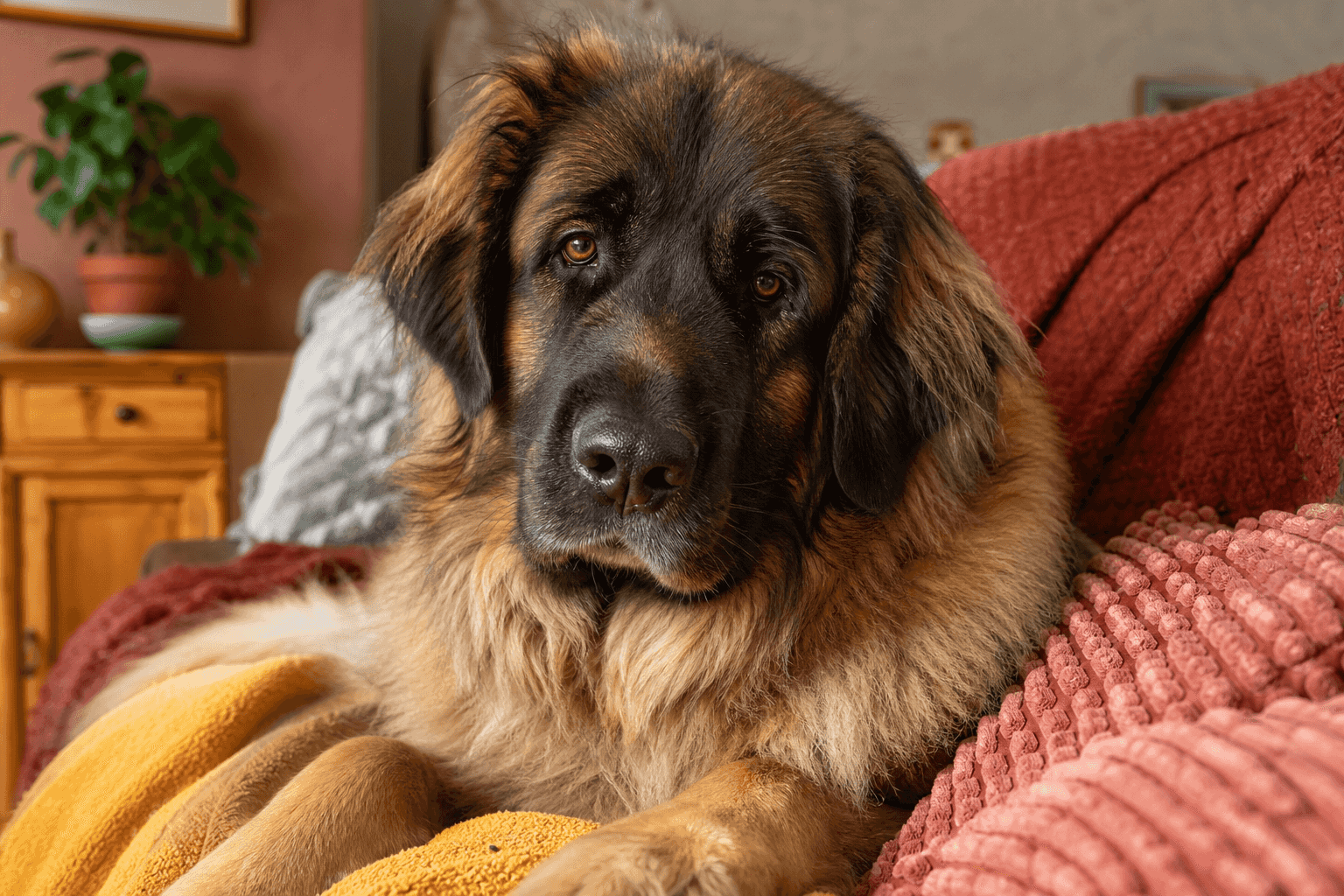
Bernese Mountain Dog & Newfoundland
Need a large, sturdy dog for balance or physical support? Meet the gentle giants.
Bernese Mountain Dogs and Newfoundlands are calm, steady, and impossibly loving.
They can help you rise from a chair, steady you while walking, or even pull a wheelchair.
Pros
Why owners love them
- Big enough for real physical support
- Famously patient and gentle
- Deeply devoted to their family
Cons
What to consider first
- Serious grooming needs
- Require space and regular exercise
- Shorter lifespans than smaller breeds
Just be honest with yourself about space, time, and grooming before you commit.
Now, two strong breeds with very different energy.
Boxer & Great Dane
Both are strong, intuitive, and affectionate — but they show it differently.
Boxers are the energetic clowns of the pair, always up for play. Great Danes? Calm, steady, and basically oversized lap dogs.
Either one can be trained for mobility support or emotional assistance, and both are remarkably tuned in to their person's mood.
Quick poll
Which suits your lifestyle better?
Shetland Sheepdog
If sound matters most to you, the Sheltie deserves a spot at the top of your list.
Shelties are fantastic for people who are hearing-impaired. Those sharp ears and alert instincts let them recognize and react to doorbells, alarms, and knocks.
They're also sweet, loyal, and happiest when they're close to their humans and mentally engaged.
Cocker Spaniel & Cavalier King Charles Spaniel
Want big emotional support in a smaller package? These two spaniels punch well above their weight.
Cockers are affectionate and trainable — though they can lean toward separation anxiety if left alone too long.
Cavaliers, meanwhile, are famously soothing and often work as therapy dogs, especially for people managing depression or chronic stress.
Bichon Frise
Small, hypoallergenic, and endlessly cheerful — the Bichon is a lovely fit for people with allergies or limited mobility.
They're happy to cuddle, eager to please, and surprisingly good at reading emotions.
Best of all? They don't need marathon walks — just consistent attention and a steady routine.
Beagle
The Beagle isn't a traditional service dog, but hear us out.
They're friendly, low-maintenance, and gifted with an extraordinary nose — which can be trained for basic scent-based tasks.
For someone who wants a loyal buddy without the intensity of a full-service breed, a Beagle can be exactly right.
How to Choose the Right Dog for You
Here's the honest bottom line: the "best" dog depends entirely on you.
Your specific needs, your daily routine, and your lifestyle matter more than any ranking.
Before you fall in love with a breed, run through this quick gut-check.
- Match the breed to your actual support needs (physical, sensory, or emotional)
- Be realistic about grooming, exercise, and space
- Consider allergies — hypoallergenic breeds like Poodles and Bichons help
- Plan for training time and cost from day one
- Choose based on a cute face alone
- Assume any dog will "figure out" a support role without guidance
Three rules for a thriving support dog
- Commit to structureEven the best-suited breeds need consistent routines and clear expectations.
- Invest in trainingProfessional help — or a certified program — turns a good dog into a reliable one.
- Lead with loveTrust is the foundation of every task a support dog performs.
Frequently Asked Questions
There's no single answer — it depends on your needs. Golden and Labrador Retrievers are the most versatile all-rounders, German Shepherds excel at PTSD and sensory support, gentle giants like Newfoundlands help with balance, and Shelties are ideal for hearing alerts.
Yes. Poodles and Bichon Frises are hypoallergenic, meaning they shed very little and are gentler on allergies and asthma. They still need regular grooming, but they're a great starting point for allergy-prone owners.
Absolutely. Even naturally suited breeds require dedicated training to perform reliable tasks. Many owners work with professional trainers or certified service-dog programs to build the specific skills they need.
A service dog is trained to perform specific tasks related to a disability. An emotional support animal provides comfort through companionship but isn't trained for particular tasks. Breeds like the Beagle or Cavalier often shine as emotional support animals.
Yes — just not physical support like balance or bracing. Smaller breeds such as Bichons, Cavaliers, and Cocker Spaniels excel at emotional support, alerting, and companionship for people with chronic stress, anxiety, or depression.
The Shetland Sheepdog is a standout thanks to its sharp hearing and alert nature. Poodles and German Shepherds are also frequently trained to signal sounds like alarms, doorbells, and knocking.
More than most people expect at first. Beyond training, these dogs thrive on routine, exercise, and close companionship. Breeds like Cocker Spaniels and Cavaliers can struggle if left alone for long stretches, so plan your days accordingly.