13 Best Dog Breeds for People Who Work From Home
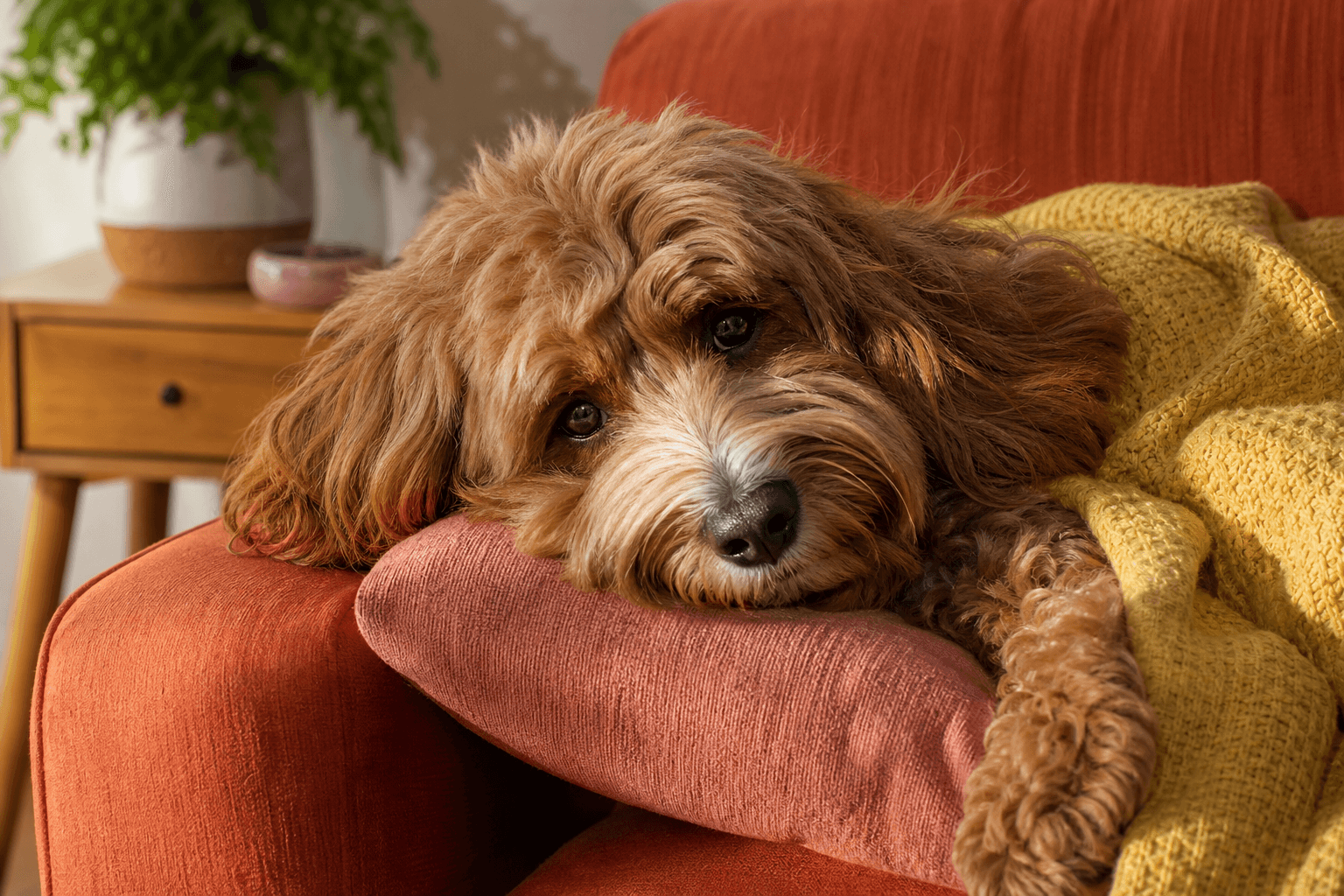
You are at your desk all day, but you still want a dog who is truly happy by your side.
These are the breeds we have found to be calm, low-drama coworkers who nap through meetings and light up your breaks.
We will call out energy needs, bark tendencies, and care quirks so you can pick a match, not a mismatch.
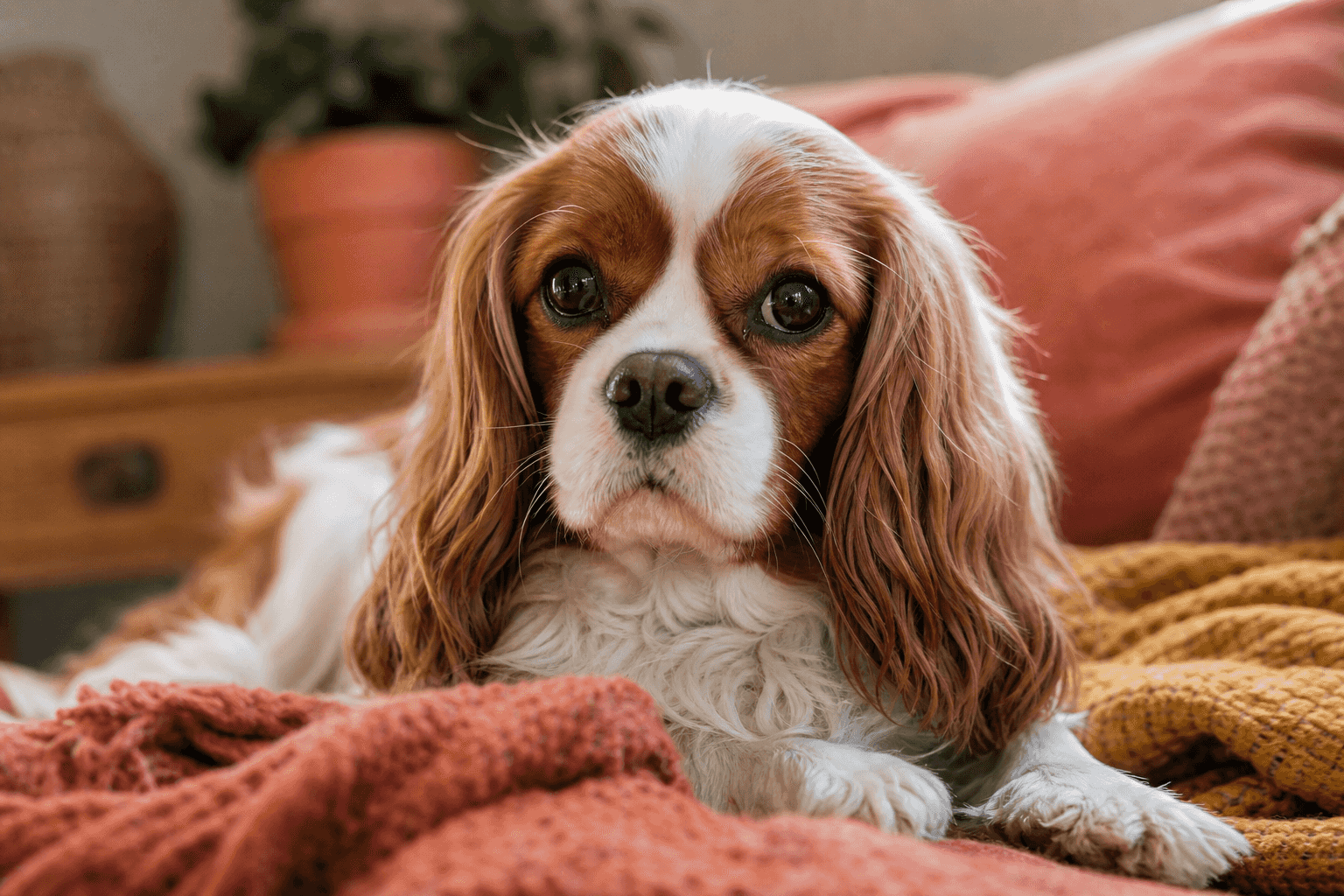
1. Cavalier King Charles Spaniel
The classic lap companion who happily dozes beside you and adapts to your meeting schedule.
They enjoy a couple of short walks and lots of couch time. Watch for separation sensitivity; with you home, they thrive.
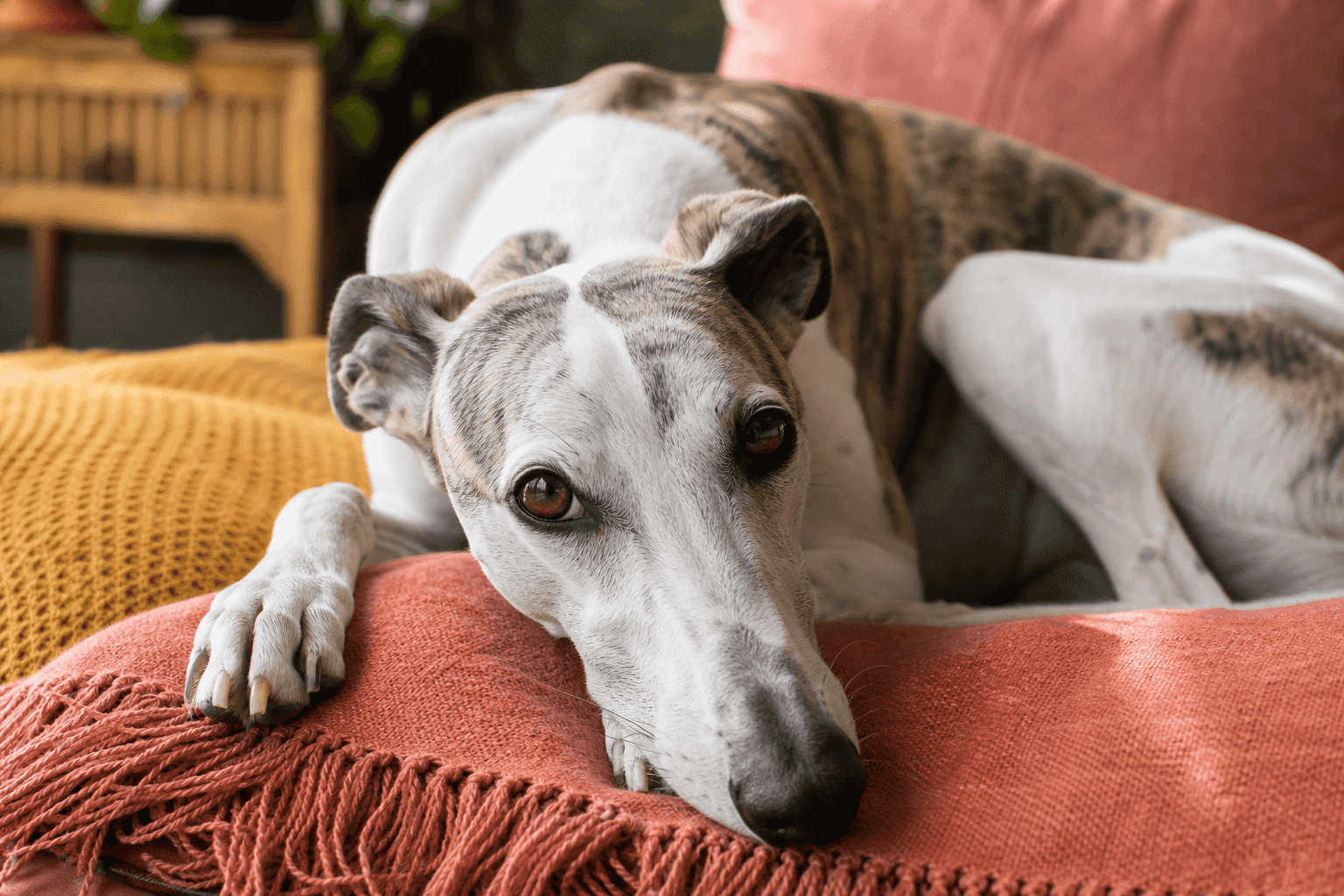
2. Greyhound
Retired athlete, current couch ornament. Indoors, they are quiet, gentle, and love soft beds.
Think short bursts of zoomies followed by hours of napping. Stairs and slippery floors can be a learning curve for ex-racers.
3. Havanese
Cheerful, people-focused, and generally low-shedding, Havanese are born for home-office life.
They take well to crate naps and quick training breaks and are usually moderate on barking when well exercised.
4. Bichon Frise
Friendly and hypoallergenic-leaning coat care partner who loves routines.
Daily brushing and professional grooming keep them comfy. They are playful without being needy if you build in toy rotations.
5. Shih Tzu
Content to snooze near your chair with a fan on and a chew nearby.
Short legs and a brachy face mean short, shady walks and climate control, but their steady temperament fits calm homes beautifully.
6. French Bulldog
Clownish, cuddly, and typically low-exercise, the Frenchie slots into a WFH routine easily.
They overheat and can struggle with long stairs; budget for potential vet care and keep the thermostat friendly.
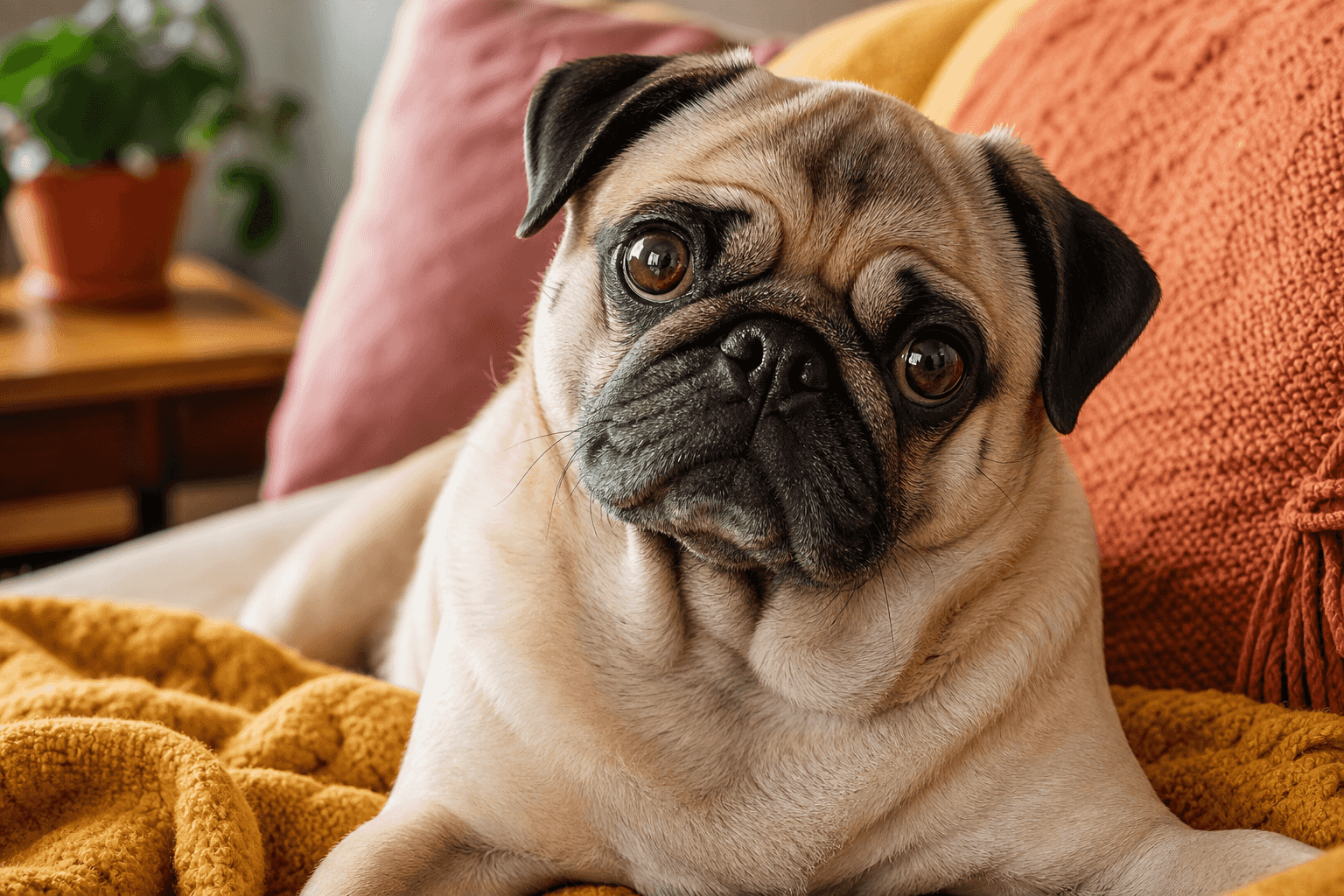
7. Pug
Velcro-level affection with a silly streak that keeps stress down.
They shed, snore, and need weight control. Keep workouts brief but daily, and expect a dependable desk buddy.
8. Whippet
Quiet, sensitive, and catlike inside. They sprint, then melt into blankets for hours.
A snug coat for winter and secure fencing are musts; in return, you get a whisper-quiet officemate.
Prefer tiny and tidy? These next breeds keep it compact without the chaos.
9. Maltese
Sweet, portable, and devoted. They love learning tiny tricks between emails.
Their coat needs regular grooming; a kept-in-a-puppy-cut style makes maintenance simple for busy owners.
10. Boston Terrier
Sunny, sensible, and typically less snorty than some flat-faced cousins.
Moderate exercise and mental games keep them from channeling energy into mischief. Many are politely quiet.
11. Great Dane
Gentle giant alert. Despite the size, Danes are low-energy indoors and love leaning on you during calls.
You will need space, a budget for big-dog supplies, and soft bedding for joints, but the calm presence is unmatched.
12. Toy Poodle
Highly trainable and happy to rotate between naps and brain games.
They are low-shedding and thrive on short, smart sessions. Use puzzle feeders and trick training to satisfy that big brain.
Smart breaks
2 to 3 short training bursts beat one long session and prevent Zoom-time zoomies.
Scent work
Hide 5 treats around one room; let your dog hunt while you refill your coffee.
Chew station
Keep safe chews by the desk so your dog self-soothes during calls.
Rotate toys
Put half the toys away. Swap weekly to refresh interest without buying more.
13. Basset Hound
Low-slung, mellow, and comically charming, Bassets do best with unhurried walks and a comfy rug.
They can be vocal on scents, so reward quiet behavior early and provide sturdy chews to channel that mouthy nature.
Daily WFH rhythm that works
- Morning movement10 to 20 minutes of sniff-walking sets a calm tone for the day.
- Settle cueTeach go to bed with a mat by your desk and pay calm with small treats.
- Brain snackOne puzzle feeder or snuffle mat during your toughest meeting.
- Midday pottyA quick stretch and bathroom break prevent restlessness.
- Evening decompressionA longer walk or play session after work clears the cobwebs for both of you.
- Choose a breed whose energy matches your actual weekday life
- Plan two short movement breaks before your longest calls
- Use crates, gates, and mats to define calm zones
- Let high-energy puppies free-roam the office
- Bank on weekend hikes to fix weekday under-exercise
Size matters less than temperament. Seek dogs described as calm, people-oriented, and adaptable. Many small companion breeds and large couch potatoes like Greyhounds and Great Danes excel.
Any dog can if alone-time is never practiced. Build micro-absences daily: step out for 5 to 15 minutes, leave a safe chew, and return calmly. Increase gradually.
Most on this list do well with 40 to 60 minutes total, split across the day, plus sniffing and training. Flat-faced breeds need shorter, cooler walks.
They reduce loose hair but often need regular grooming. Budget time and money for professional grooms or learn to maintain coats at home.
Adults are easier to predict and settle faster. Puppies are wonderful but require planned potty breaks, supervision, and training woven into your workday.