13 Best Dog Breeds for Introverts
You want a dog that fills the room with warmth, not noise.
You value calm energy, easy routines, and a buddy who is happy to just be — with you.
These are the breeds we consistently see introverts thrive with, plus what to know before you commit.
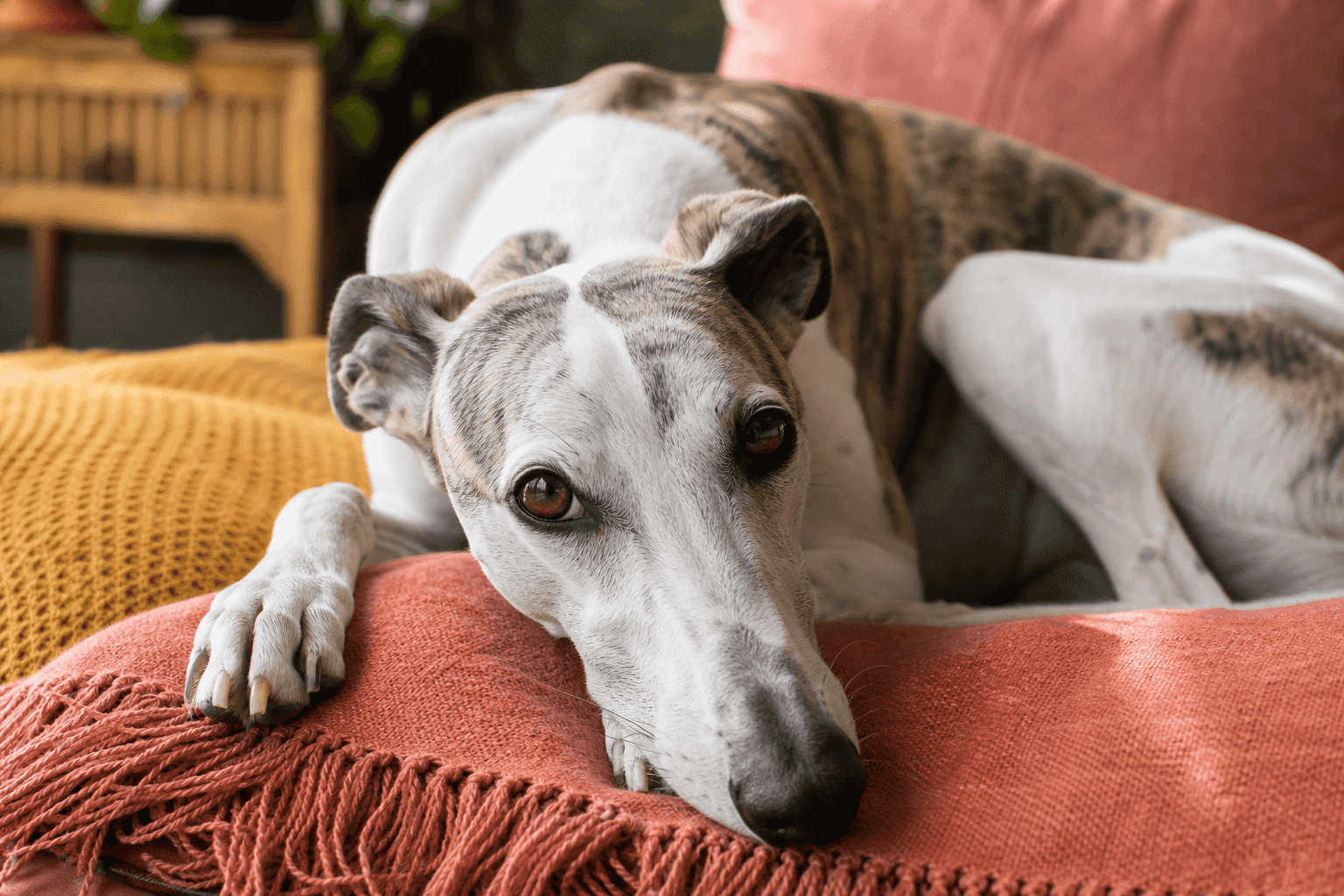
1. Greyhound
Retired racers are famously gentle couch ornaments. A sprint in a securely fenced area and they are blissfully snoozy the rest of the day.
They bond softly, rarely bark, and are content with a quiet routine. Watch for thin skin and the need for a cozy coat in cold weather.
2. Whippet
Think mini greyhound with a touch more sensitivity. Whippets are affectionate without being clingy, and they love blanket burritos.
Short grooming, moderate daily walks, and occasional zoomies keep them balanced. Secure recall work matters due to chase instinct.
3. Cavalier King Charles Spaniel
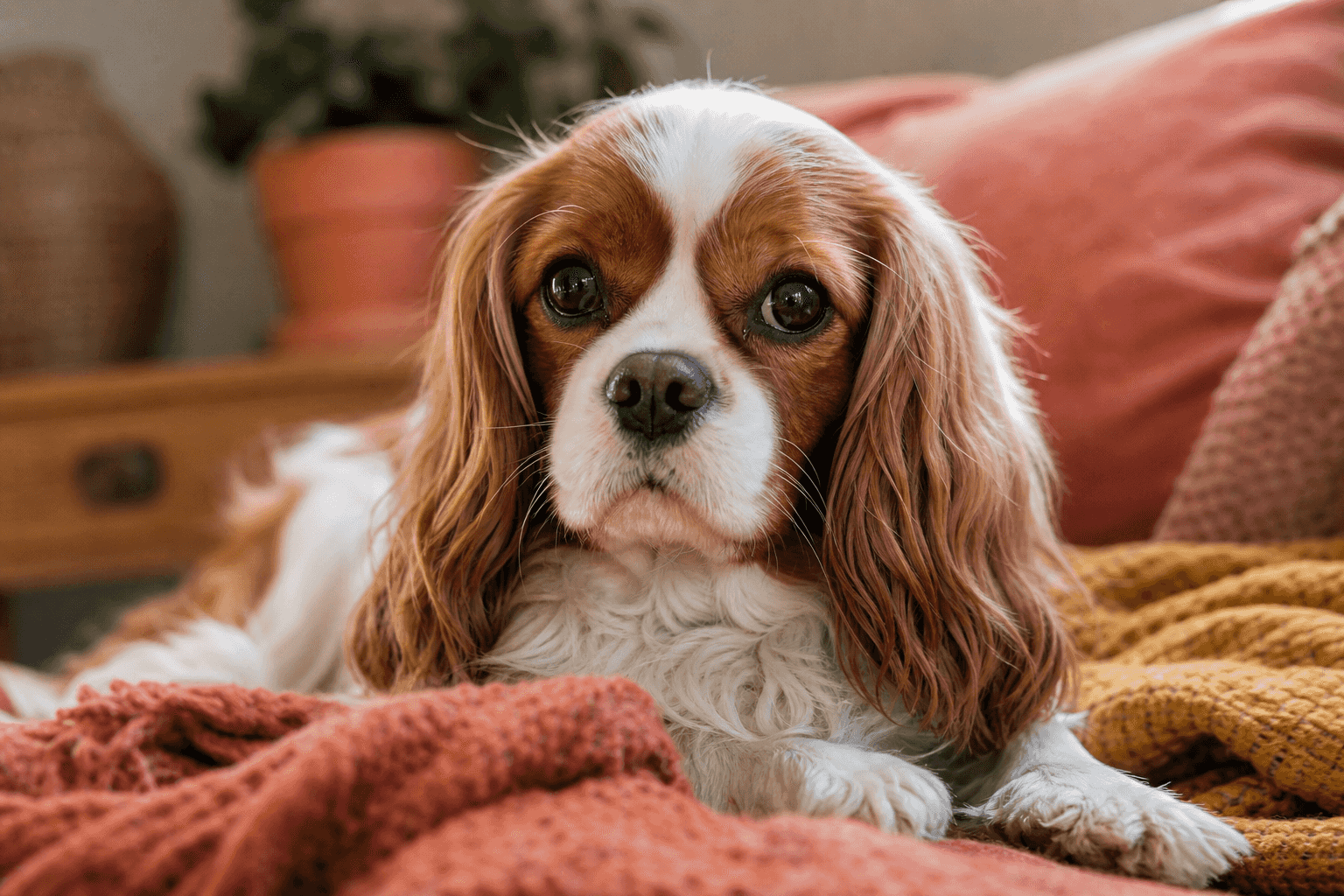
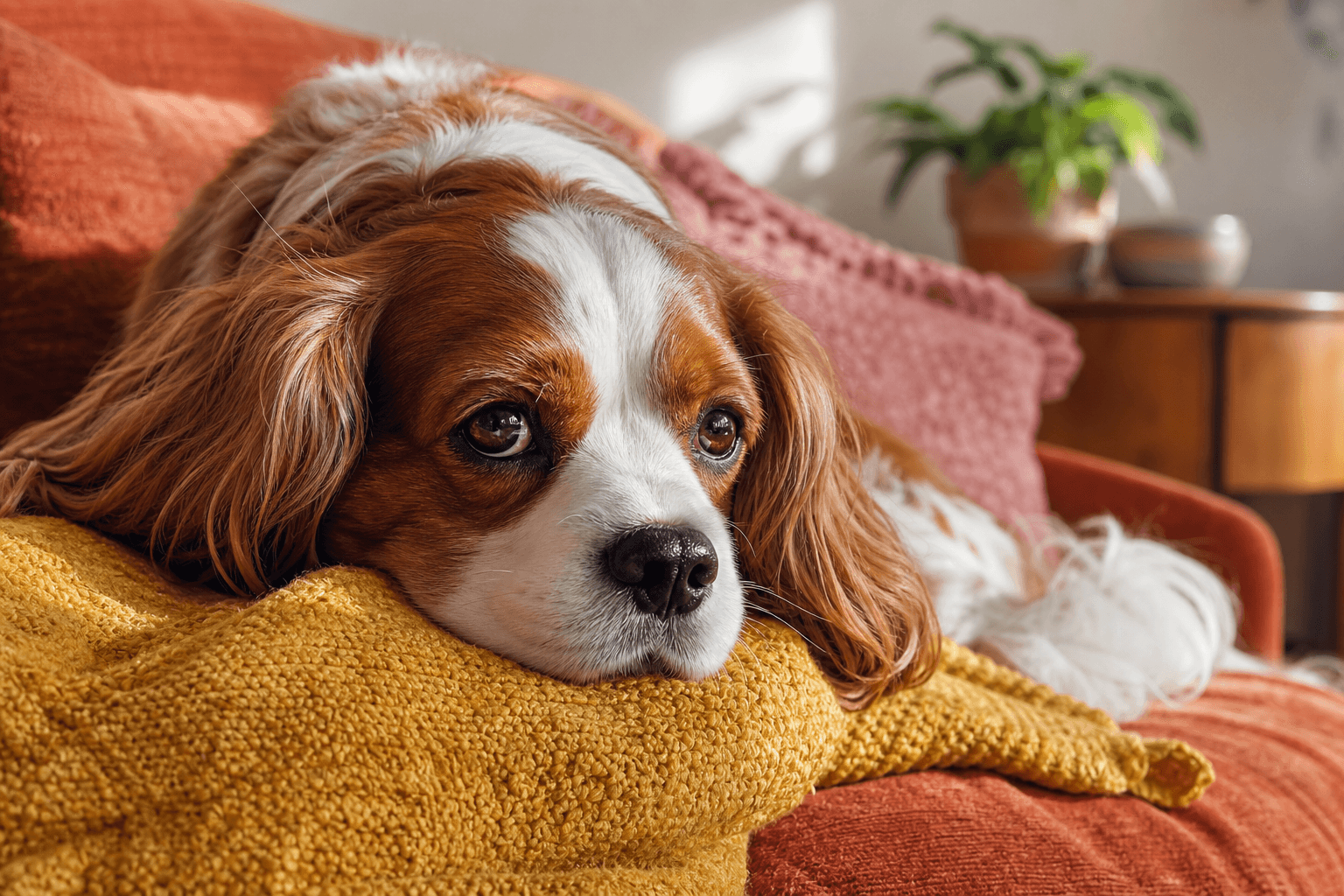
Sweet, people-focused, and intuitive — Cavaliers excel at gentle companionship. They are happy to read with you on the couch, then stroll the block.
They do have notable heart and eye health concerns, so buy from health-tested lines or consider rescue.
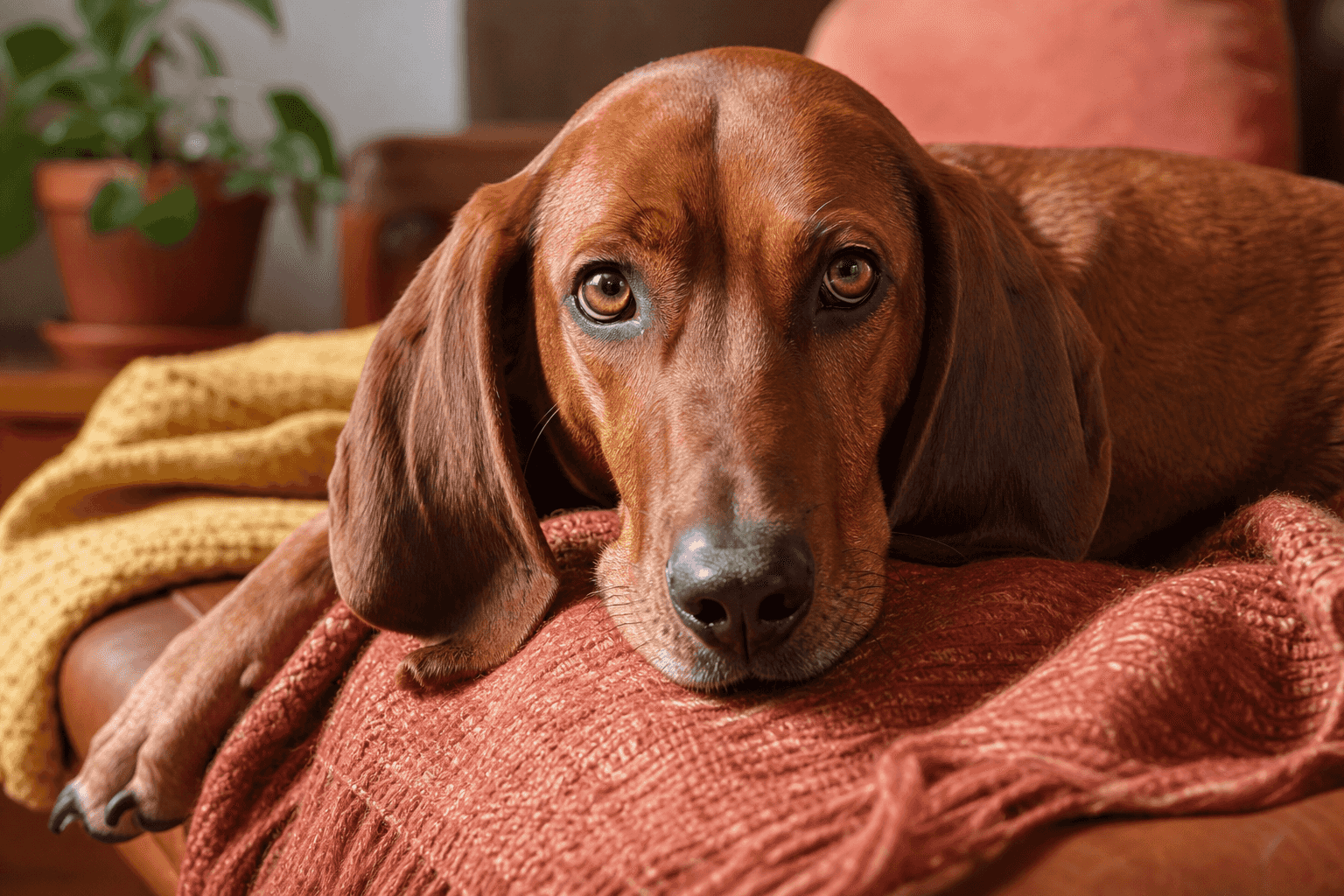
4. Basset Hound
Laid-back, droll, and scent-focused, Bassets bring mellow vibes. They enjoy ambling walks and long naps, not marathons.
Expect drool, a stubborn streak, and steady grooming for ears and skin folds. Their humor more than pays you back.
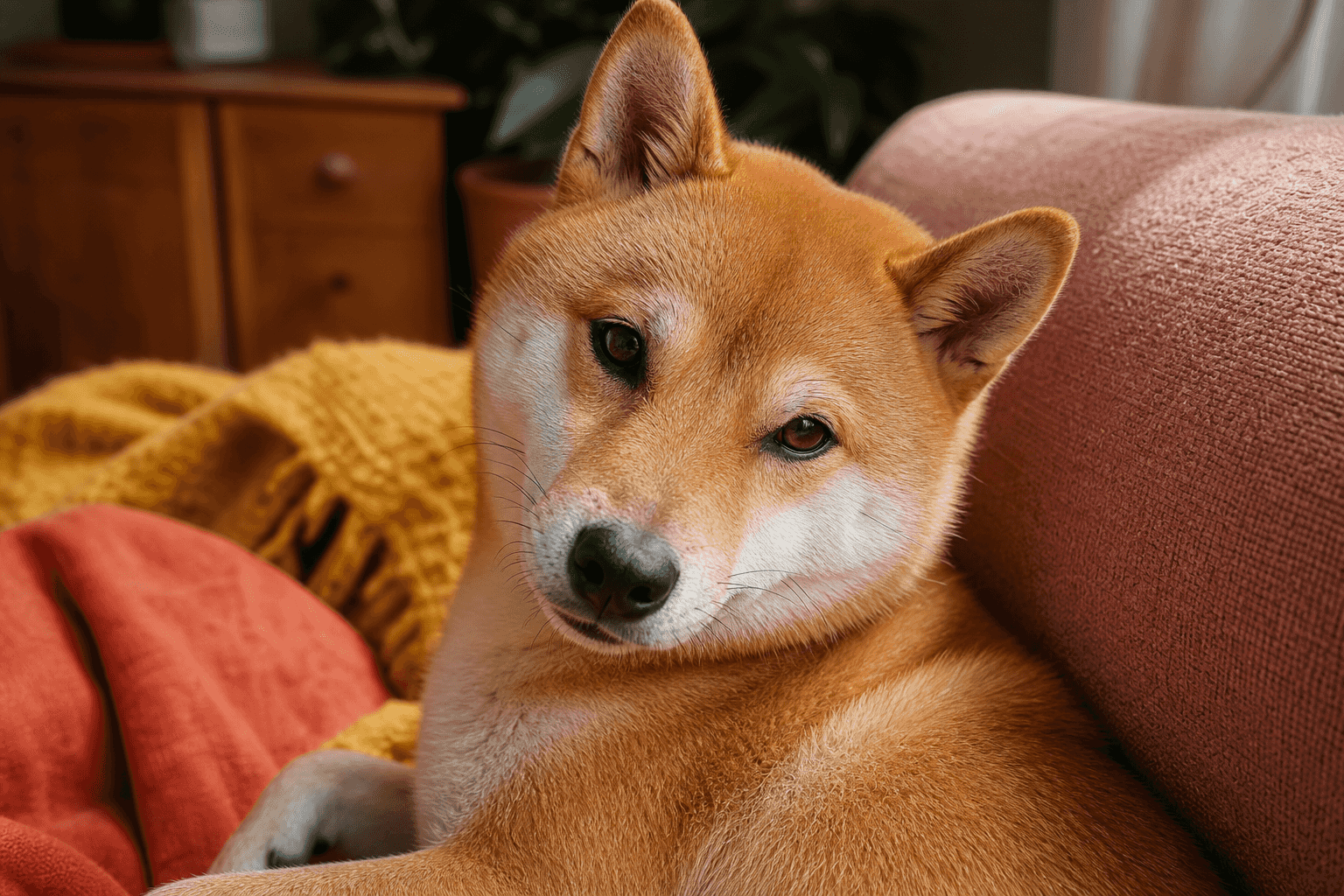
5. Shiba Inu
Independent and catlike, Shibas suit introverts who appreciate personal space. They are clean, quiet, and happy to lounge after purposeful exercise.
They do best with calm, consistent training and firm management of off-leash impulses.
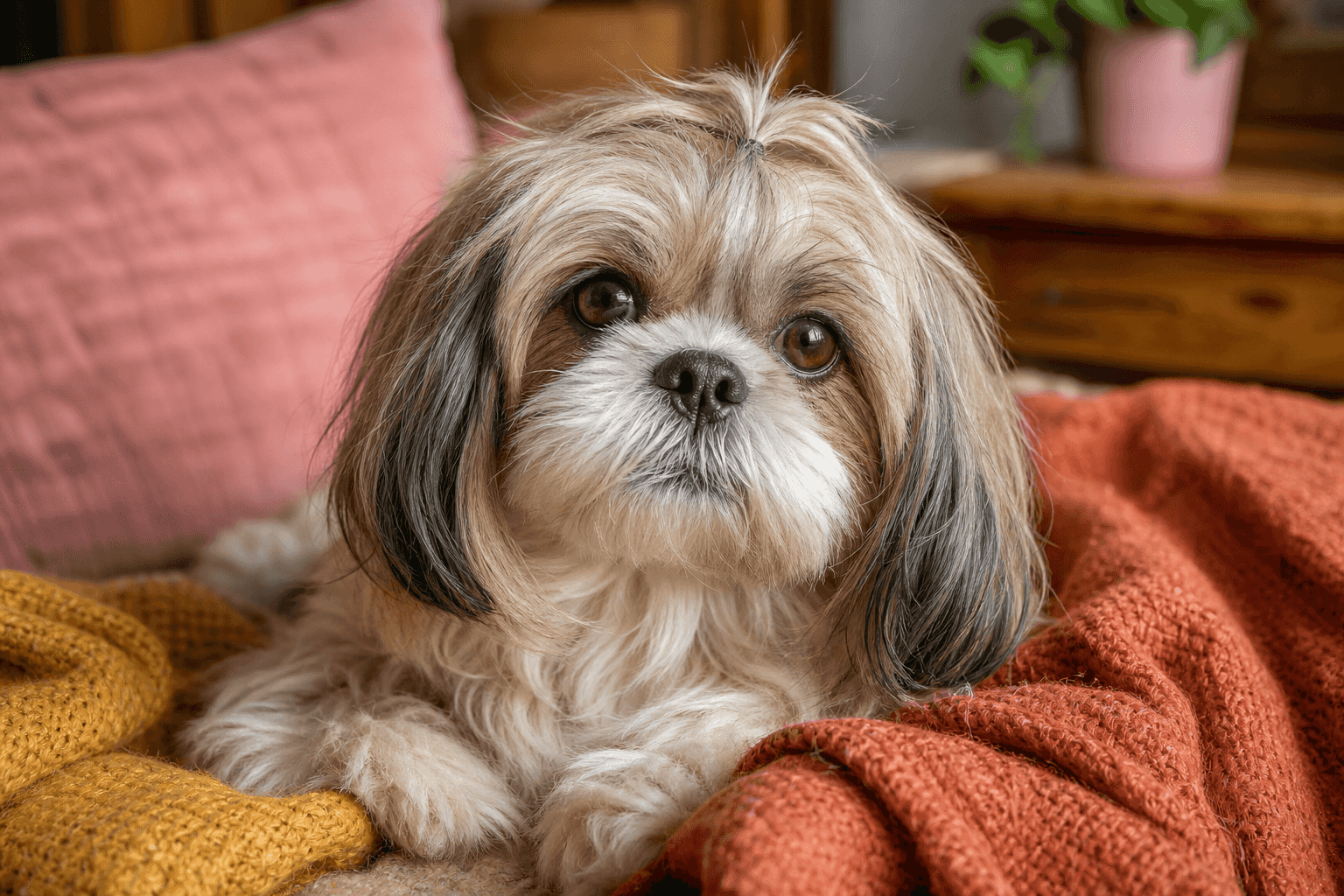
6. Shih Tzu
Apartment-friendly and affable, Shih Tzus were bred for companionship. Their moderate energy and cheerful nature mesh with low-key homes.
Daily face cleaning and regular grooming matter; a puppy cut keeps upkeep simple.
Prefer bigger, steadier shadows at your feet?
7. Newfoundland
Enormous heart in a gentle giant. Newfs are famously patient, quiet, and people-oriented without being needy.
They do best in cooler climates, with careful joint care, drool tolerance, and space to sprawl.
8. Basenji
The barkless dog is more yodel than yap, which many introverts love. Basenjis are tidy, clever, and moderately independent.
They need mental work, secure fencing, and consistency; boredom invites mischief.
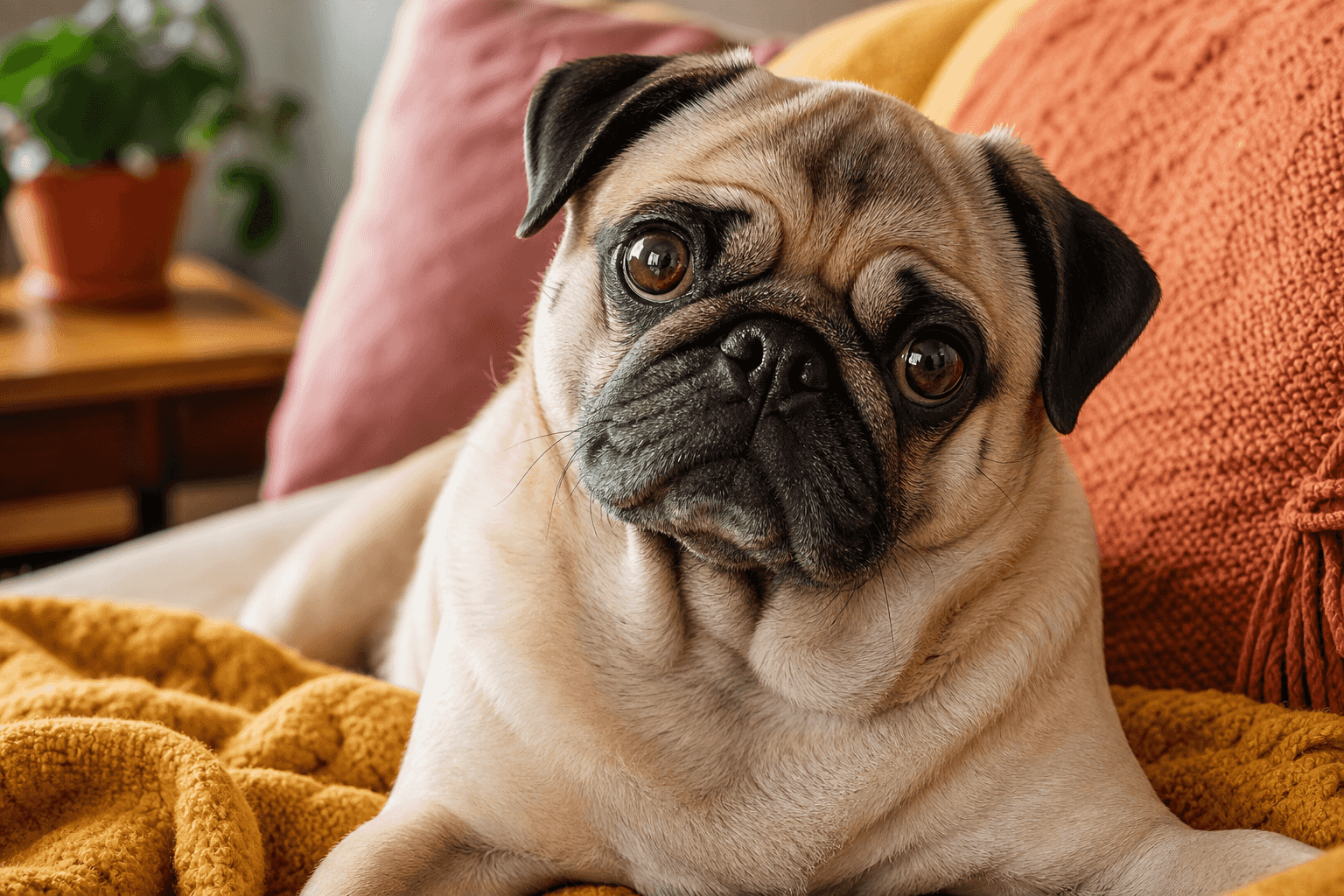
9. Pug
Clownish yet easygoing, Pugs deliver big personality in a small, quiet package. They flourish on short play sessions and lap time.
Mind weight, eyes, and heat; they are brachycephalic and heat-sensitive.
10. Havanese
Light, velcro-cute companions who mirror your mood. They are social with their people without demanding a crowd.
Coats need brushing or a short trim; training is a breeze with gentle methods.
11. Tibetan Spaniel
Alert but not loud, Tibbie fans call them catlike observers. They perch by a window, adore their person, and enjoy modest walks.
They shed seasonally; early socialization keeps their watchfulness polite.
12. Bernese Mountain Dog
Calm, affectionate, and easy to live with when well-bred. They thrive on routine, cool temperatures, and purposeful strolls.
Be candid about size, shedding, and shorter average lifespans; choose breeders with stringent health testing.
13. Italian Greyhound
A pocket-sized shadow for homebodies. Iggies love warmth, sunbeams, and gentle play, then hours of cuddling.
They are fragile around jumps and stairs; house training can take patience, but the payoff is a devoted, quiet companion.
Pros
Why these breeds click
- Lower baseline vocalization and calmer home energy.
- Happy with predictable routines and solo downtime.
- Affectionate without overwhelming clinginess (breed-dependent).
- Manageable exercise needs for work-from-home or quiet lifestyles.
Cons
What to watch
- Health caveats in some breeds: brachycephalic concerns, joint care, or specific genetic issues.
- Independent types still need training; quiet does not equal untrained.
- Sighthounds and primitive breeds often require secure fencing and leash management.
- Grooming commitments vary — plan for coat care, ears, or drool.