12 Tips to Prevent Dog Motion Sickness on Car Rides
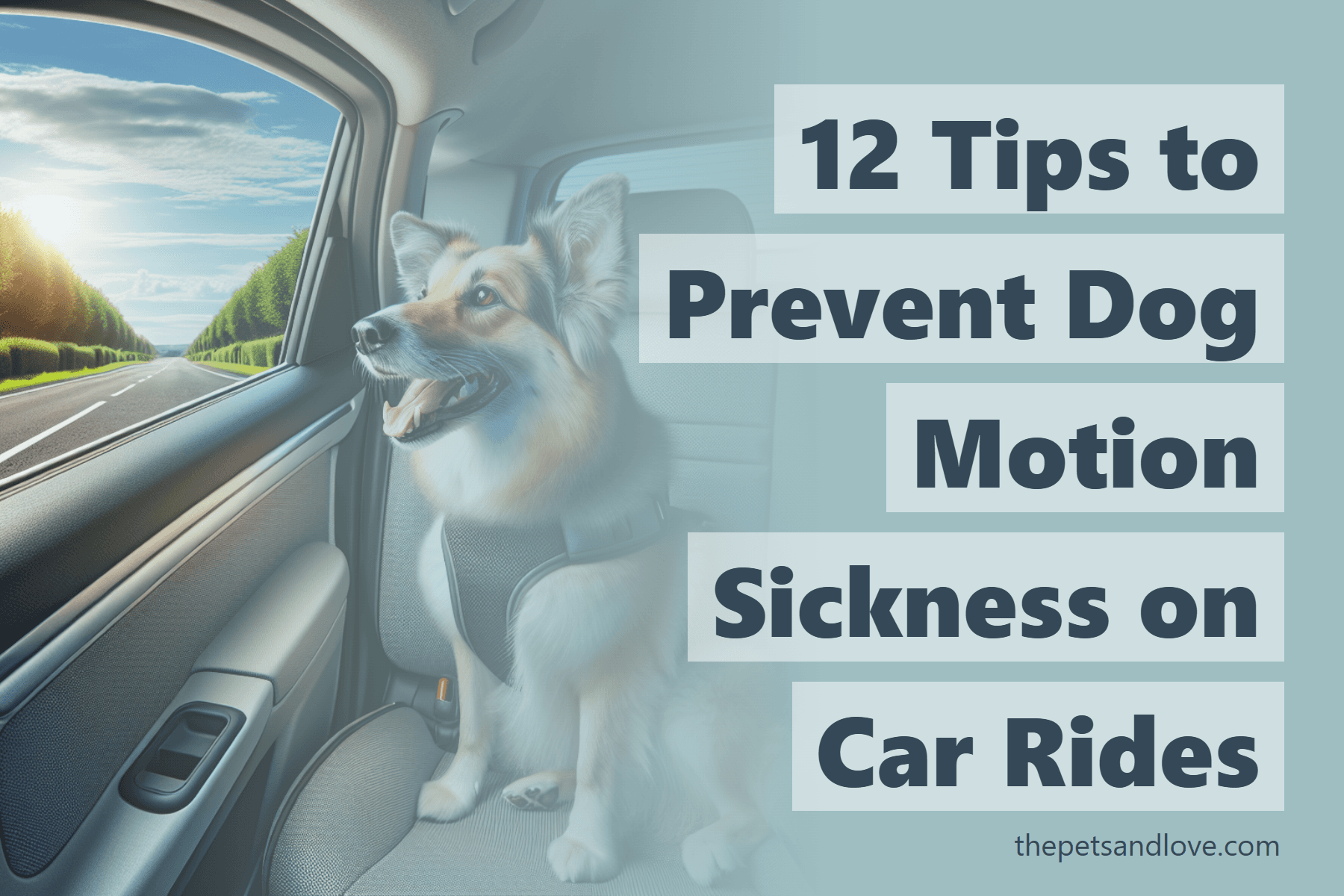
Does your dog turn into a drooling, trembling, queasy mess the second the car starts moving? You're not imagining it — and you're definitely not alone.
The good news: car sickness in dogs is usually fixable. With a little patience and the right approach, most dogs can go from "please, not the car" to happily hopping into the back seat.
Below are 12 practical tips that have worked for us and countless other dog parents. Skim them, try a few, and stick with it.
“The goal isn't just to prevent messes — it's to help your dog feel safe by your side, wherever the road takes you.”
1. Start Slow and Make It Positive
Here's the mistake almost everyone makes: they wait until the big road trip to test how their dog handles the car.
Don't do that. If your dog isn't used to riding — or actively hates it — jumping into a long drive practically guarantees a rough time.
Instead, start tiny. Drive around the block. Then a little farther. Then a little farther again.
2. Secure Your Dog for Comfort and Safety
A dog sliding around the back seat is a dog fighting to stay balanced. And that instability makes motion sickness far worse.
The fix is simple: keep them steady and secure.
Crash-tested harness
Clips into a seatbelt and keeps your dog stable and protected in one move.
Well-ventilated crate
Creates a cozy, den-like space that many anxious dogs find reassuring on the road.
Both keep your dog safe in a sudden stop — and both give them something solid to settle into. That stability alone eases a surprising amount of nausea.
Now let's talk about what goes in their belly — and when.
3. Don't Feed Right Before the Ride
A full stomach plus a bumpy road is a recipe for trouble.
As a rule, skip feeding your dog for at least 2–3 hours before you leave. An empty-ish belly is far less likely to rebel.
Pros
Do this
- Light snacks and water at rest stops
- A last meal a few hours before departure
- Small treats as positive rewards
Cons
Avoid this
- A big meal right before leaving
- Constant snacking during the drive
- Rich or unusual foods on trip day
4. Keep the Air Fresh and Flowing
Your dog's nose is wildly more sensitive than yours. What smells like "nothing" to you can be overwhelming to them.
So keep fresh air moving — crack a window or run the A/C.
5. Make the Car Comfortable
If it's hot and stuffy, your dog starts panting. Panting means swallowing air — and swallowed air makes queasiness worse.
Keep the cabin cool, especially on warm days or long hauls. A portable fan or a window sunshade goes a long way if your car heats up fast.
6. Take Breaks — Often
Nobody enjoys feeling trapped in a moving box. Your dog included.
On long drives, stop every couple of hours to let them stretch, sniff, and empty their bladder. A quick walk and some fresh air resets their whole system.
Tried the basics and your dog is still struggling? Here's what's next.
7. Try Natural Calming Aids (with Caution)
Some dogs respond well to gentle, pet-safe scents like lavender or ginger. A light touch on a blanket or bandana can help take the edge off.
But there's a catch: more is not better.
8. Ask Your Vet for Help
If your dog is truly miserable despite everything, don't tough it out alone.
Vets can prescribe safe anti-nausea medications and calming supplements that make a genuine difference — especially for longer trips.
Quick poll
Have you ever asked your vet about your dog's car sickness?
9. Keep the Car Clean
Remember that sensitive nose? Old smells from past accidents can trigger nausea before you've even left the driveway.
Give the car a quick clean before a trip and use pet-safe cleaners. A fresh space helps everyone relax.
Last but not least — the human side of the equation.
10. Stay Calm, Stay Positive
Your dog reads your energy like a book. If you're tense and frustrated, they'll feel it — and tense dogs feel sicker.
So keep your voice calm and upbeat. Offer praise or a treat when they ride well. You're building good associations, one drive at a time.
11. Distract Them with Something Fun
Idle minds fixate on the motion. A busy mind forgets all about it.
- A special chew or toy that only appears in the car
- Soft music or a calming audiobook
- Anything that redirects focus from the movement
- Loud, chaotic sounds or overstimulation
12. And Finally — Be Patient
Some dogs outgrow car sickness entirely. Others just need slow, steady practice over weeks or months.
Keep it positive. Don't get discouraged if progress is gradual — it usually is.
Frequently Asked Questions
It's often a mix of an underdeveloped or sensitive inner ear balance system (especially in puppies) and anxiety from past bad experiences. Many dogs grow out of the physical part, while the anxiety part improves with slow, positive exposure.
Yes, many do. A puppy's balance system is still developing, so motion sickness is common early on and often fades as they mature. Positive, gradual car experiences help the process along.
Aim for at least 2–3 hours with no full meals before you leave. Light snacks and water at rest stops are fine — just avoid a big meal right before hitting the road.
When prescribed and dosed by your vet, yes. There are vet-approved anti-nausea meds and calming supplements designed specifically for dogs. Never give human medication without veterinary guidance.
Watch for excessive drooling, lip-licking, yawning, whining, restlessness, panting, lethargy, and of course vomiting. Catching the early signs lets you pull over before things escalate.
Some dogs respond well to lightly diluted, pet-safe scents like lavender or ginger on a blanket. Results vary, so treat it as one tool among many — and always clear it with your vet first.
Secure them comfortably, keep the car cool and fresh, take breaks every couple of hours, bring a special car-only toy, and stay calm yourself. Your relaxed energy is one of the most powerful tools you have.