12 Things to Know Before Getting a Bedlington Terrier
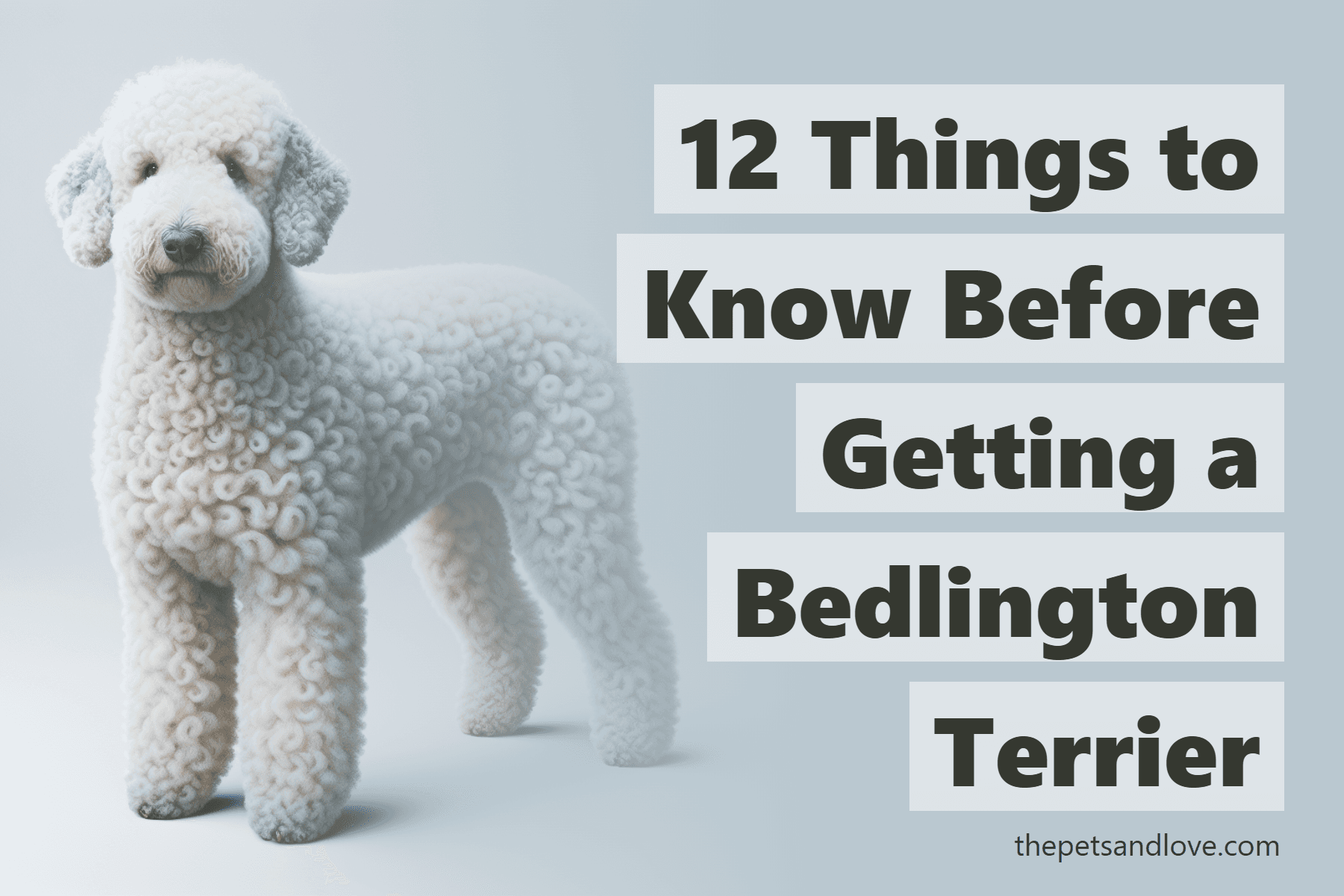
That fuzzy, lamb-like face got you, didn't it? I don't blame you — Bedlington Terriers are one of the most head-turning breeds out there.
But here's the thing: behind that soft, curly coat is a quirky, athletic, opinionated little dog with very specific needs.
Before you fall completely for that face, let's walk through what it's actually like to live with one — the grooming, the energy, the prey drive, and the surprising versatility that makes them so rewarding.
That Famous "Lamb" Look Comes With Grooming Needs
Yes, they really do look like little lambs — especially with that curly, poodle-like coat.
But don't let the cute factor fool you.
That coat needs regular upkeep. We trim ours every 6 to 8 weeks and brush once or twice a week to keep mats at bay.
The upside? They barely shed, which is great news for allergy sufferers.
The catch? Low-shedding doesn't mean low-maintenance.
- Professional trim every 6–8 weeks
- Brush 1–2 times per week to prevent mats
- Regular nail trims and ear cleaning
- Consistent dental care
- Skip grooming and hope the coat sorts itself out
That coat looks delicate — but this is no couch potato.
Big Energy in a Petite Package
Bedlington Terriers are surprisingly athletic. Ours loves sprinting across open fields and tearing through agility runs.
Skip the daily exercise, and you'll find them entertaining themselves — usually by chewing something they absolutely shouldn't.
30+ min
of real daily activity your Bedlington needs to stay balanced
Plan on at least 30 minutes of genuine activity: walks, fetch, agility drills, or even swimming.
Good news for city dwellers — they do just fine in apartments.
The key is keeping both their body and brain busy. Puzzle toys work wonders for the quiet indoor hours.
They're clever. But clever cuts both ways.
Smart, Trainable… and a Little Stubborn
Training a Bedlington can be a genuine joy — they're intelligent and eager to please.
But make no mistake: they have their own opinions.
Here's what actually works:
How to train a Bedlington
- Lead with positive reinforcementTreats, praise, and play get you far more cooperation than force ever will.
- Never rely on harsh correctionsCome down hard and they simply dig in their heels — you lose ground, not gain it.
- Stay patient and consistentShort, upbeat sessions repeated daily beat long, frustrating ones.
“Be patient and consistent, and you'll have a polite, responsive pup in no time.”
So what are they actually like to live with?
Affectionate but Not Clingy
One of the things I love most is their balance.
They're affectionate without being needy — loyal and sweet with the whole family, from kids to grandparents, yet independent enough to entertain themselves.
Loyal & loving
Devoted to their people and happy to be part of the family routine.
Independent streak
Content to amuse themselves — they don't shadow you room to room.
Wary of strangers
Naturally cautious with new faces, which makes early socialization essential.
Adaptable
Comfortable in apartments or houses, as long as their needs are met.
Now, here's the instinct you can't train away.
Watch That Prey Drive
Bedlingtons were originally bred to hunt small game — and that instinct is still very much alive.
Birds, squirrels, even the neighbor's cat can trigger a full-speed chase.
We learned fast: keep yours on-leash unless you're in a fully fenced area.
Alert watchdog... or noisy neighbor?
Barking and Separation Anxiety
They're alert little watchdogs, which is a double-edged sword.
Expect barking at visitors, outside noises, or sometimes just because they're bored.
In a quiet neighborhood or a thin-walled apartment, that can become a real problem.
Teaching a solid "quiet" command and keeping them busy helps enormously.
But there's a bigger catch: left alone too long, Bedlingtons can get genuinely anxious — chewing, barking, or trying to escape.
What about the family piece?
Good With Kids, With Supervision
Bedlingtons are usually wonderful with children — playful, gentle, and up for a game.
Like any dog, though, they should be supervised around toddlers.
Older kids
GreatPlayful and gentle companions who love active games.
Toddlers
SuperviseFine with calm handling — always watch closely.
Seniors
GreatSweet and affectionate across the whole family.
Small pets
CautionPrey drive means careful, supervised introductions only.
We always teach kids the golden rules early: be calm, be gentle, no ear-pulling, no chasing.
Set that tone from day one and you're on your way to a great relationship.
Now for the health picture you need to know.
Health and Lifespan
On the whole, Bedlington Terriers are a fairly healthy breed — and they live a good long time.
12–16 yrs
typical Bedlington Terrier lifespan with good care
That said, they're prone to a few specific conditions worth knowing about:
Copper Toxicosis
A liver disorder the breed is particularly known for — this is why breeder health testing matters so much.
Patellar luxation
A slipping kneecap that can affect movement and comfort.
Hip dysplasia
A joint issue seen in many breeds; good breeding reduces the risk.
Eye problems
Including dry eye and distichiasis (misplaced eyelashes).
One last thing that might surprise you.
They're Surprisingly Versatile
Don't let the dainty look fool you — these dogs can do it all.
Obedience, agility, therapy work: Bedlingtons take to it eagerly.
“They might look dainty, but they have the heart — and energy — of a true working dog.”
Ours picked up agility in no time and genuinely lights up at the challenge.
Quick poll
What draws you most to the Bedlington Terrier?
Frequently Asked Questions
They can be, if you're ready to commit to grooming, daily exercise, and consistent positive training. They're smart and affectionate, but their stubborn streak and grooming needs mean they suit an owner who's prepared to stay on top of routines.
No — they're a very low-shedding breed, which makes them popular with allergy sufferers. The trade-off is a coat that needs regular brushing and a professional trim every 6 to 8 weeks.
They're alert watchdogs, so they will bark at visitors, outside noises, and sometimes boredom. Training a "quiet" command and keeping them mentally stimulated goes a long way toward managing it.
Not for long stretches. They can develop separation anxiety and turn to chewing, barking, or escape attempts if isolated too much. If you work long hours, plan for company, a dog walker, or daycare.
Usually, yes — they're playful and gentle. Always supervise around toddlers, and teach kids to be calm and respectful (no ear-pulling or chasing) to build a happy relationship.
Proceed with caution. Their hunting instinct is strong, so small animals like birds, squirrels, and cats can trigger a chase. Introductions must be slow and closely supervised, and some pairings won't be safe.
At least 30 minutes of real activity daily — walks, fetch, agility, or swimming — plus mental stimulation like puzzle toys. They're far more athletic than they look.
For most owners it's the combination of ongoing grooming and their need for both exercise and companionship. Meet those needs, though, and you get an incredibly rewarding, versatile companion.