7 Things to Know Before Bringing Home a Stabyhoun
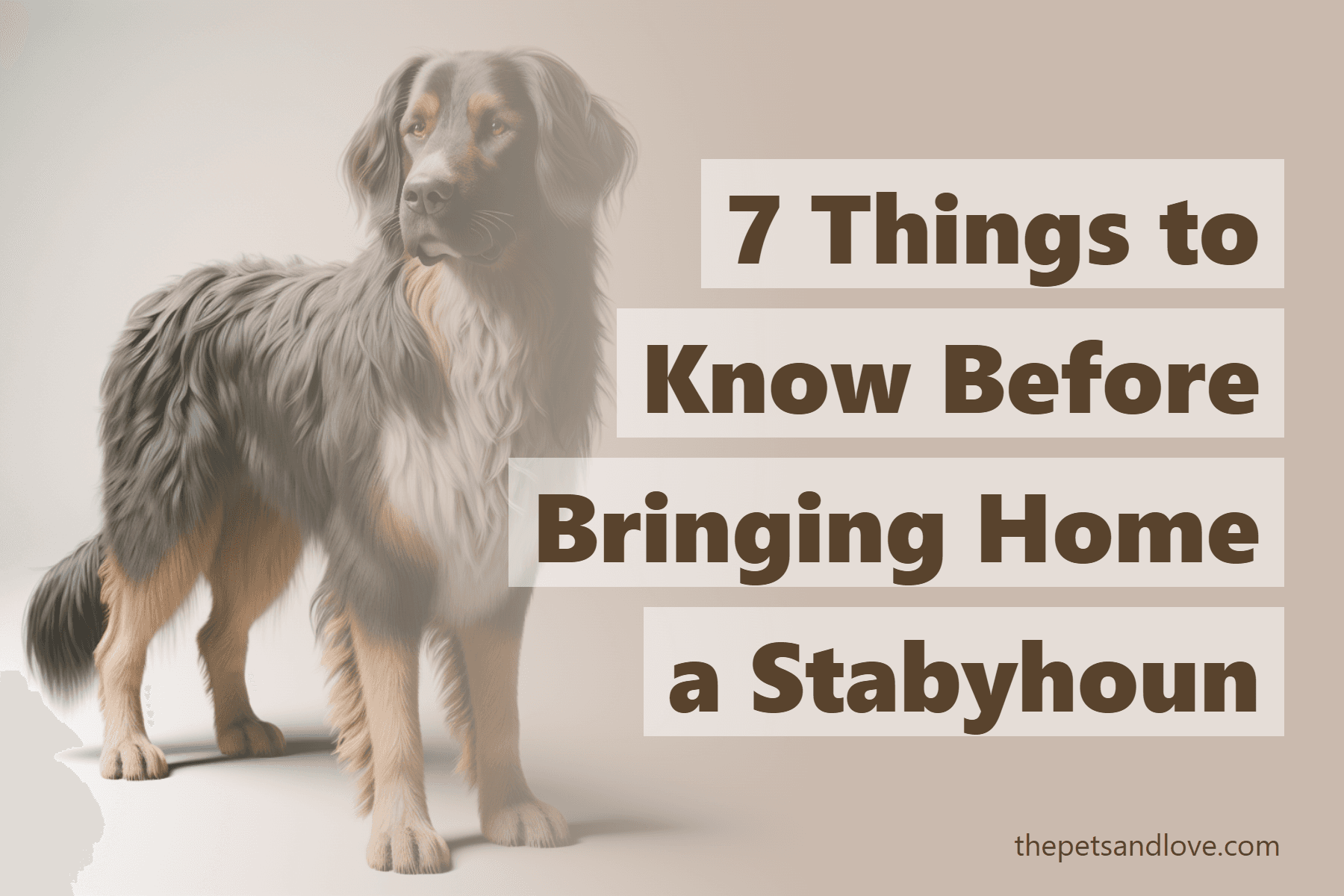
Thinking about bringing home a Stabyhoun? You already sense this isn't your average dog — and you're right.
The "Staby" is one of the rarest breeds in the world: loyal to a fault, smart, and endlessly up for adventure.
But here's the honest truth — they're not the easiest first dog to own.
In the next few minutes, you'll learn exactly what makes this breed special, what daily life really looks like, and the seven things that decide whether a Staby will thrive in your home.
Let's dive in.
What Kind of Dog Is the Stabyhoun?
First things first — how do you even say it? It's pronounced "STA-BAY-hoon."
The Stabyhoun is a rare breed from the Netherlands, originally built as an all-purpose farm dog.
Tracking, retrieving, guarding, even pulling carts — this dog did it all.
These days? You're far more likely to find one curled up on the couch beside you. But don't let the snuggles fool you.
That old working drive is still very much alive underneath the fluff.
Physically, they look long-haired thanks to the feathering on their legs and tail.
In reality, their coat is medium-length and surprisingly easy to care for — more on that later.
So what are they actually like to live with?
Personality: Gentle, Loyal, and Just a Bit Independent
Here's the heart of the breed: Stabys are devoted.
Their name literally translates to something close to "stand by me" — and boy, do they take that seriously.
“A Staby doesn't just want to be near you. It wants to be part of everything you do.”
They're wonderful with families and kids — gentle, patient, and playful.
But there's a catch: they do best with people who are home for most of the day.
Leave a Staby alone too long, and that loyalty can curdle into anxiety — or destruction.
Smart — but with a mind of their own
Stabys are clever and eager to please. That part's easy.
The twist is their independent streak. They were bred to make decisions solo out on the farm, so they don't always wait around for your instructions.
Now, here's where training makes or breaks things.
Now, about that voice of theirs...
Barking Alert: They're a Vocal Breed
Looking for a silent dog? The Staby probably isn't it.
They're natural watchdogs, and they take the job seriously.
Expect some barking when someone's at the door — or when something just feels "off" to them.
But here's the reassuring part: they don't bark for no reason.
There's almost always a trigger behind it, which means it's manageable with training and a heads-up on what sets them off.
Quick poll
Could you live with an occasionally vocal watchdog?
Ready for the part that trips up most new owners?
Exercise: Daily Activity Isn't Optional
This is the big one. A Staby needs at least an hour of real activity every single day.
And no — a quick lap around the block won't cut it.
Think brisk walks, hikes, swims, or games that get them moving with purpose.
60+ min
of genuine daily exercise a Stabyhoun needs to stay balanced
Here's something a lot of people miss, though.
Physical exercise is only half the equation. Their brain needs a workout too.
Puzzle Toys
Slow-release feeders and treat puzzles keep a busy mind occupied indoors.
Scent Games
Hide treats around the house or yard and let that farm-dog nose do the work.
Dog Sports
Agility and tracking channel their drive into something productive.
Training Sessions
Short daily lessons double as mental exercise and bonding.
Good news — the grooming is easier than it looks.
Grooming: Surprisingly Low Maintenance
You'd expect all that feathering to be a nightmare. It isn't.
A solid brush once a week keeps the coat in great shape most of the year.
They shed seasonally — spring and fall — so you'll want to brush more often during those stretches.
The self-cleaning coat trick
Here's the genius part: their coat is essentially self-cleaning.
Dirt tends to fall right off once it dries, so frequent baths just aren't necessary.
After a muddy adventure, a simple rinse usually does the trick.
- Brush weekly (more in spring & fall)
- Rinse off after muddy walks
- Check ears weekly
- Trim nails monthly
- Brush teeth daily if you can
- Bathe constantly with harsh shampoo
Now let's talk about keeping them healthy for the long haul.
Health & Feeding: Generally Strong, With a Few Watch-Points
Good news first: Stabyhouns are a relatively healthy breed, especially when responsibly bred.
That last part matters more than you'd think.
Like any dog, they do have a few potential issues to be aware of.
Hip Dysplasia
A joint condition worth screening for — reputable breeders test their lines.
Epilepsy
Noted in the breed; another reason breeder health screening matters.
Rare Neurological Issues
Uncommon, but documented — ask breeders directly about their testing.
Overall Longevity
With good care, most enjoy a long, active life alongside you.
Feeding done right
Feed high-quality dog food matched to their age and activity level.
And go easy on the treats — yes, even during training.
An active dog still gains weight fast when the snacks pile up.
Keep fresh water available at all times, especially given how active they are.
So who is this dog actually right for?
Best Living Situation: Who Thrives With a Staby?
Let's be direct: Stabys need space.
A home with a fenced yard is the sweet spot. Apartment life? Not really their thing.
They flourish where they can move freely, play, and stay woven into the daily routine.
Families with kids
GreatGentle, patient, and playful — though always supervise with young children.
Active singles/couples
IdealA perfect adventure buddy for someone who loves the outdoors.
People home most of the day
Best fitThis breed craves company and struggles when left alone too long.
Full-time-away households
ToughLong, lonely days can trigger anxiety and destructive habits.
Apartment dwellers
Not idealThey need room to roam and a yard to burn off energy.
First-time owners
ChallengingTheir independence and needs are a lot for a total beginner.
One more thing worth knowing: they're cautious around strangers at first.
Give them a moment, though, and most Stabys warm right up into their friendly, easygoing selves.
Frequently Asked Questions
They can be, but they're not the easiest choice. Their independent streak, exercise needs, and dislike of being left alone demand time and consistency. If you're committed and willing to train early with positive methods, a first-timer can absolutely succeed.
Not long. This breed bonds tightly and can develop separation anxiety or destructive habits when left for hours on end. They do far better in homes where someone is around most of the day.
They're vocal watchdogs and will bark at the door or anything that seems "off." The upside is they rarely bark without a reason, so with training the barking stays purposeful and manageable.
Yes — they're known for being gentle, patient, and playful with kids. As always, supervise interactions with very young children to keep everyone comfortable.
Less than their feathered look suggests. A weekly brush keeps the coat healthy, with extra brushing during seasonal sheds in spring and fall. Their self-cleaning coat means baths are rarely needed.
At least an hour of genuine activity daily — walks, hikes, swims, or dog sports — plus mental stimulation like puzzle toys and scent games. A tired Staby is a well-behaved Staby.
For most owners, it's meeting their need for company and daily activity. They don't do well being left alone, and a bored Staby will find its own (usually destructive) entertainment.