12 Essential Facts About Wirehaired Vizslas That Every New Owner Should Know
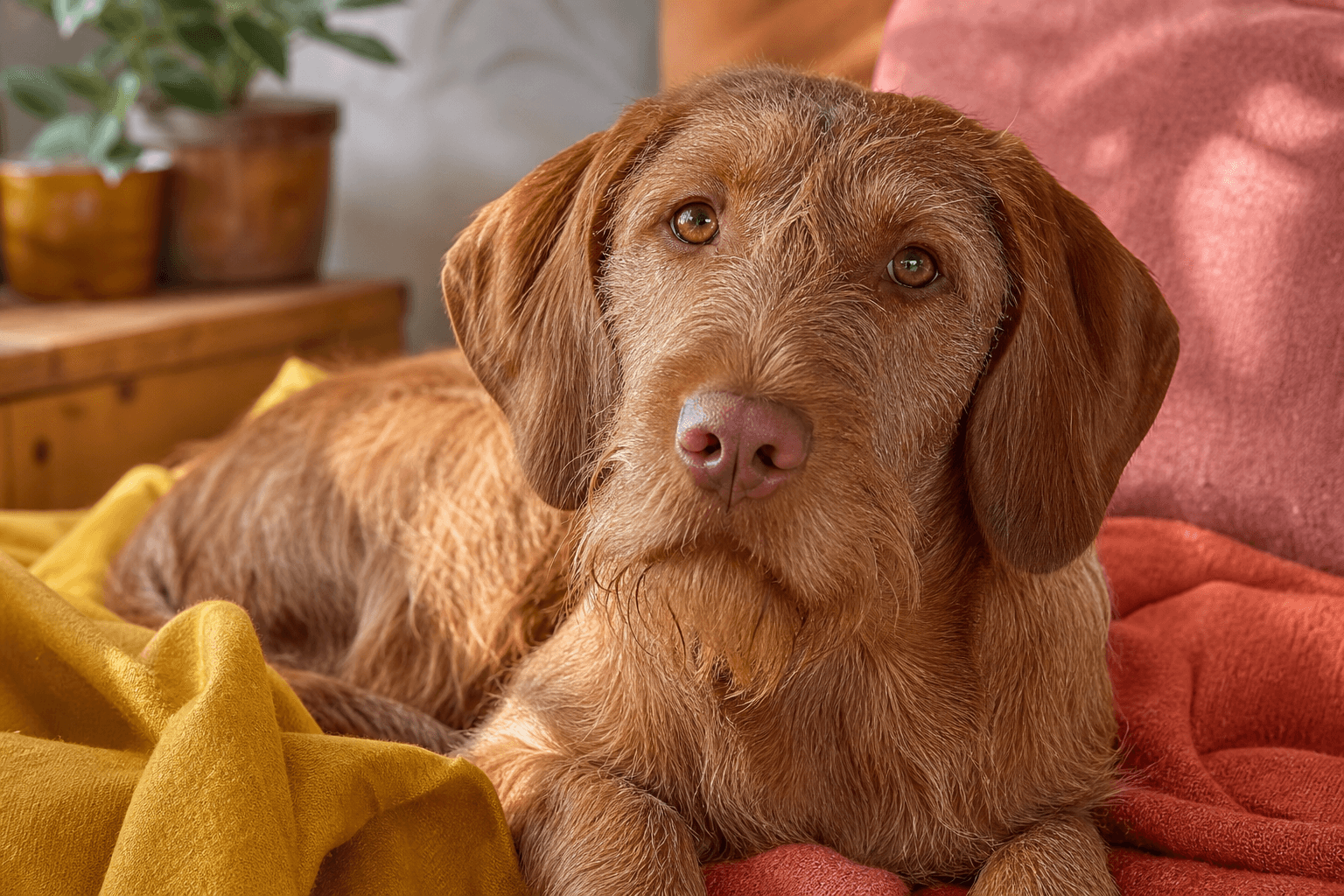
You clicked because you want the real Wirehaired Vizsla picture, fast.
Here is exactly what new owners wish they had known on day one, distilled from experience and breed know-how.
Skim it now, save months of guesswork later.
1. They Are Velcro Dogs
Wirehaired Vizslas bond hard. Expect a shadow that follows you from desk to door.
Alone-time tolerance is limited at first, so build it with short, successful reps and food-stuffed enrichment.
2. Exercise Needs Are Athletic-Level
Plan on 60 to 90 minutes daily once grown, mixing brisk walks, off-leash running in safe spaces, and brain work.
Puppies need shorter, gentler sessions spread through the day to protect growing joints.
Great Daily Outlets
Field-style fetch, trail hikes, nosework hides, swimming when safe.
Indoor On Rainy Days
Sniff mats, cardboard shred boxes, obedience games, place training.
Weekend Upgrades
Tracking, canicross, bikejor with proper training and gear.
What To Avoid
Mindless ball-chucking for an hour. Mix in sniffing and calm skills.
3. The Coat Must Be Hand-Stripped, Not Shaved
That crisp, weatherproof look comes from hand-stripping or carding the wiry outer coat a few times a year.
Clippering softens texture, dulls color, and can increase shedding. Find a groomer who knows sporting wire coats.
4. Low Odor, Moderate Shedding
Compared with the smooth Vizsla, the wire coat keeps doggy smell low and sheds in small, bristly bits.
Weekly brushing and seasonal strip-outs keep hair tumbleweeds and itchiness in check.
5. Sensitive, Smart, And Soft-Mouthed
They read you like a book and wilt under harsh corrections. Progress soars with calm, reward-based training.
Short, upbeat sessions beat marathons. Teach settle early so the off switch grows with the on switch.
6. Prey Drive Makes Recall Non-Negotiable
Hares, deer, and birds are compelling. A recall trained in the backyard is not ready for a pheasant-rich field.
Build a rock-solid emergency recall on a long line, then proof against wildlife scents before trusting off leash.
7. Ears And Beard Need Weekly Care
Floppy ears trap moisture; check and air them after swims and rain. Gentle ear cleaner once a week helps prevent infections.
That adorable beard collects water and food. Wipe after meals to prevent yeast smell and chin irritation.
8. Weather-Resistant, Not Arctic-Proof
The harsh coat and undercoat shrug off brambles and drizzle better than the smooth Vizsla.
In hard freezes or long, wet cold, add a fitted jacket and limit idle standing time.
9. Health Watchlist To Know
Common concerns include hip and elbow dysplasia, hereditary eye issues, and hypothyroidism in some lines.
Like many deep-chested breeds, they can be at risk for bloat and GDV. Feed measured meals, use slow bowls if they bolt food, and avoid hard exercise right before or after eating.
10. Socialization Window Matters
From 8 to 16 weeks, gently meet the world: surfaces, people, calm dogs, friendly kids, vet handling, and car rides.
Keep it positive and brief. You are building curiosity, not forcing bravery.
11. Apartment Life Is Possible With A Plan
Yes, if needs are met. Aim for two purposeful outings daily, plus midday potty breaks for youngsters.
Teach quiet on cue, elevator manners, and a reliable settle on a mat to be a good neighbor.
12. Finding A Responsible Breeder Or Rescue
This is a rarer breed. Expect waitlists and lots of questions from ethical breeders.
Look for health testing proof, titles or field work on parents, and contracts that welcome the dog back if life changes.
Quick reference for your first weeks