12 Essential Facts About Welsh Springer Spaniels That Every New Owner Should Know
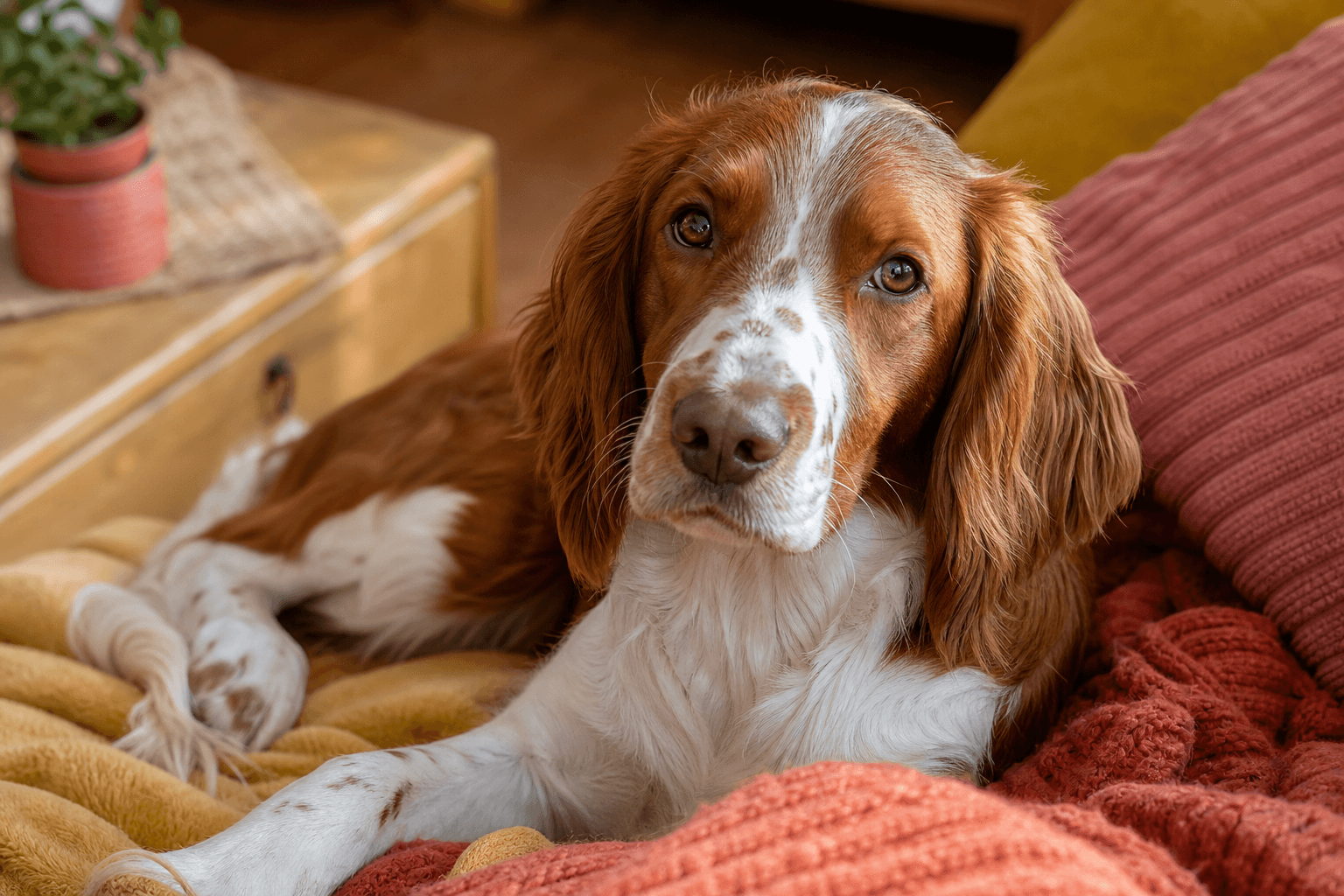
You fell for that red and white coat and merry spaniel smile.
Good news: Welsh Springers are as wonderful as they look — and as particular as any sporting breed.
Here are the essential facts we wish we knew on day one, so you can enjoy more tail wags and fewer surprises.
1. They Are a Distinct Breed, Not a Color of English Springer
Welsh Springer Spaniels come only in red and white, but they are not a subset of English Springers.
They have their own history in Wales as versatile gundogs and a slightly smaller, more compact build with a characteristic straight, silky coat.
2. Expect Real Energy in a Medium Package
Males typically land around 40 to 55 pounds, females 35 to 45, standing roughly 17 to 19 inches at the shoulder.
They are athletes first: plan on 60 to 90 minutes of daily activity split between brisk walks, off-leash running in safe spaces, and brainy games.
3. Affectionate With Family, Reserved With Strangers
Most Welshies are deeply people-focused with their own households and a bit stand-offish with newcomers.
That reserve is normal for the breed; reinforce polite greetings, do not force interactions, and let confidence build through positive experiences.
4. Smart, Sensitive, and Reward-Driven
They read you like a book and thrive on clear, upbeat training.
Use food, toys, and praise; avoid harsh corrections, which can shut them down. Short, fun sessions beat marathons.
5. The Coat Is Wash-and-Wear, Not No-Maintenance
The flat, weather-resistant coat sheds moderately year-round and has feathering that can mat if ignored.
Brush weekly, tidy feet and feathering as needed, and check for burrs after field romps. Bathing every month or two is plenty unless adventures say otherwise.
6. Ears Need Consistent Care
Those lovely pendant ears trap moisture. After swims or baths, dry the ear flaps and use a vet-approved cleaner weekly.
Catch redness, odor, or head-shaking early to prevent painful infections.
7. A Nose That Loves Work
They were bred to find birds, push through cover, and mark retrieves. That translates to a powerful scent drive and persistence.
Channel it with recall training from day one, long-line practice outdoors, and activities like tracking, field work, or scent games at home.
8. Socialization Shapes the Dog You Get
Expose your pup to friendly people, calm dogs, gunfire-safe noises, grooming, and travel before 16 weeks, then keep it going.
For a reserved breed, thoughtful, choice-based socialization builds confidence without overwhelming them.
9. Health: What to Screen and Watch
Average lifespan runs about 12 to 15 years. Reputable breeders screen hips and eyes and often thyroid.
Breed concerns can include hip dysplasia, epilepsy, autoimmune thyroiditis, and some eyelid or eyelash disorders. Keep them lean, fit, and insured if possible.
10. Family Fit: Kids, Cats, and Other Dogs
Welshies are generally gentle and playful with respectful kids and tend to get along with other dogs.
Many live peacefully with cats if raised together; supervise early days and give everyone safe zones.
11. Home Setup and Daily Routine
They can do fine in apartments with real exercise and brain work, but a yard or easy access to trails makes life easier.
Crate train, rotate chews and puzzle feeders, and schedule naps. A bored Welsh will invent noisy hobbies.
12. Finding a Responsible Breeder or Rescue
Look for breeders who health-test, limit litters, and welcome your questions. Meet parents or close relatives when possible.
Rescues and breed clubs sometimes have adults who are past the puppy stage — a great fit if you want to skip housebreaking.
| Category | Rating |
|---|---|
| Energy level | |
| Trainability | |
| Grooming needs | |
| Shedding | |
| Good with kids | |
| Good with other pets | |
| Barking/alert | |
| Alone-time tolerance | |
| Adaptability | |
| Health |
Make life easy from day one with a few simple rules.
Starter rules for a happy Welsh
- Move first, then cuddle.Morning potty, sniff-walk, or retrieve sets the day up right.
- Brains are part of exercise.Layer five minutes of scent games into every outing.
- Groom little and often.Weekly ear care and quick brush sessions beat marathon detangling.
- Teach rock-solid recall with long-line practice.
- Introduce friendly strangers at your dog’s pace.
- Keep ears dry after swims and clean weekly.
- Skip exercise and rely only on yard time.
- Use harsh corrections when they get distracted.
- Let mats build in feathering before a bath.