12 Essential Facts About Spinone Italianos That Every New Owner Should Know
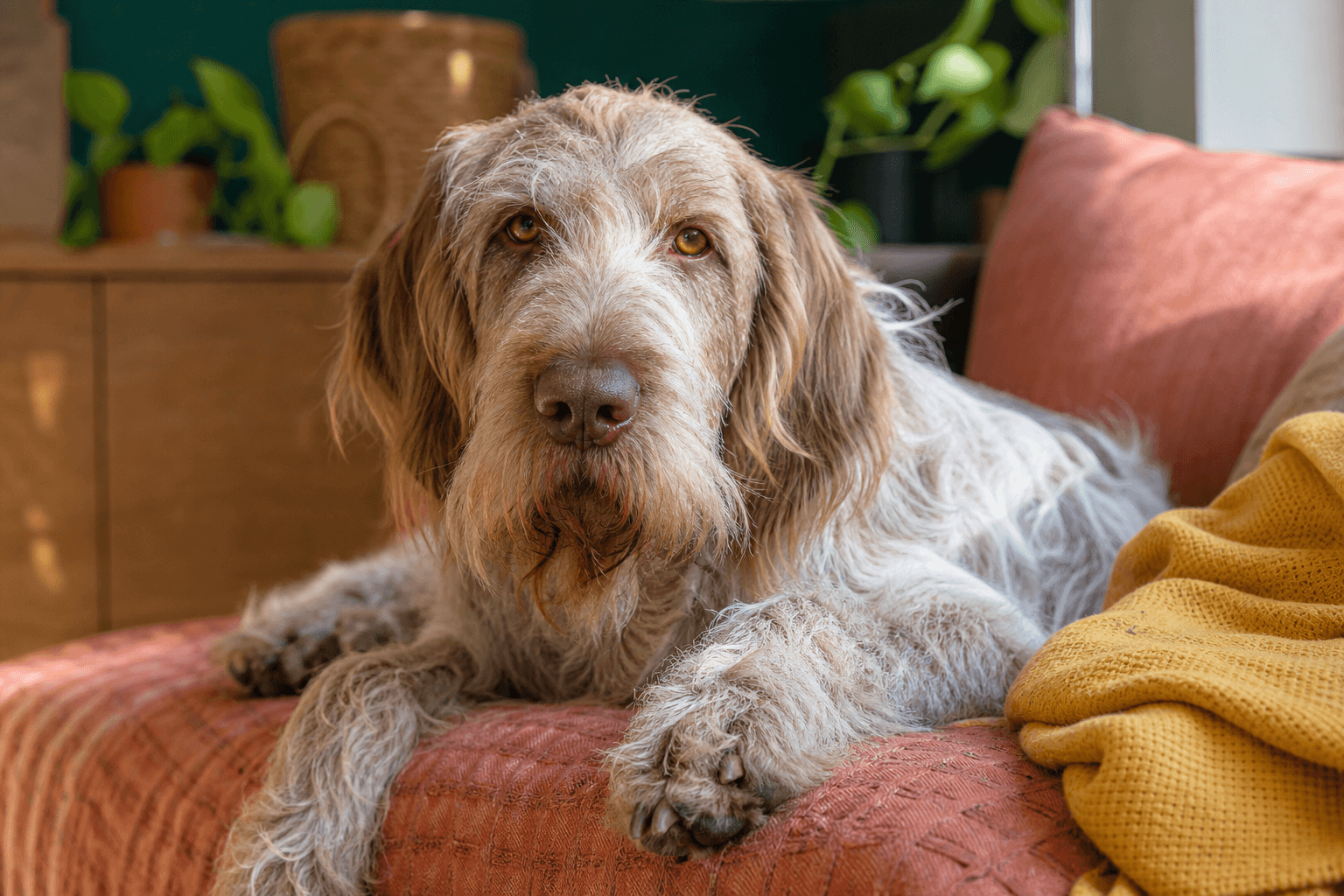
You met those soulful eyes and shaggy brows and thought, this is my dog.
Good call — the Spinone Italiano is a steady, funny, deeply loyal companion when you know what makes them tick.
Here are the essentials we wish every new Spinone owner knew before day one, so you and your bearded buddy start off right.
1. They Are Gentle, Purpose-Bred Gundogs
Spinoni were developed in Italy as versatile hunting dogs that could point, retrieve, and work all day in rough cover and cold water.
That history shows up at home as a gentle, cooperative temperament and a strong desire to stay near their people.
You will feel their steadiness; they prefer teamwork over flash.
2. Calm Indoors, But Need Real Daily Exercise
Expect a mellow shadow inside once needs are met, but they are not couch decor.
Plan on 60 to 90 minutes of activity daily: brisk walks, off leash romps in safe areas, or field games that let them trot, sniff, and problem-solve.
They love nose work, tracking, and casual retrieves more than repetitive fetch.
Brain and nose time
Sniff walks, scatter feeding in the yard, tracking a tea bag drag line, hide and seek with family members.
Body time
Two purposeful walks, a safe off leash run, or a longline hike where they can range and return.
3. The Coat Is Harsh, Not Fluffy — Groom It Right
The Spinone has a wiry, weatherproof coat with furnishings on face and legs.
To keep it functional, brush weekly, comb the beard after meals, and hand-strip dead coat a few times a year rather than clip, which can soften texture and invite matting.
Feet and armpits mat first; keep them tidy and check after muddy adventures.
4. Expect Some Drool and Lots of Beard Drips
Those luxurious furnishings hold water and food, and some Spinoni drool, especially after drinking or on hot days.
Keep absorbent towels near water bowls and train a quick chin wipe cue before they cruise past your sofa.
5. Smart, Stubborn, and Sensitive to Tone
This breed thinks for themselves and shuts down with harsh handling.
Use positive reinforcement, short sessions, and clear, consistent cues.
They repeat what pays, ignore what does not, and remember how you made them feel.
6. Social Butterflies That Still Need Early Socialization
Most Spinoni are friendly and tolerant, but adolescent goofiness can tip into pushiness without guidance.
Prioritize calm exposure to different surfaces, sounds, friendly dogs, and polite people, rewarding loose-leash manners and settle time.
7. Prey Drive Is Real, But Manageable
They notice birds, rabbits, and squirrels because they were bred to.
Build a rock-solid recall on a long line, use controlled chasing games as an outlet, and expect that wildlife rich areas may require management, not miracles.
8. Health Matters: Dysplasia, Ataxia, and Bloat
Spinoni are generally healthy, but you should screen for hip and elbow dysplasia and ask breeders about a DNA test for a breed specific cerebellar ataxia.
Like many deep chested breeds, they can be at risk for bloat and gastric torsion.
Feed in measured meals, use slow bowls if they bolt food, and avoid hard exercise right before and after eating.
9. Big Frames Need Space and Secure Fencing
Adult Spinoni commonly weigh 60 to 85 pounds and stand over two feet at the shoulder.
They can live in apartments if you commit to exercise, but a securely fenced yard makes life easier for training and decompression.
10. Great With Kids, Supervision Still Required
Many are patient and cuddly with children thanks to their soft nature.
Teach kids to respect resting dogs, manage doorways to prevent bowling, and supervise meals and high excitement play.
11. Travel and Lifestyle Fit
They ride well after practice, but bring towels for post drink beards and plan for leg stretches on long trips.
They are people oriented and can be prone to separation distress; build alone time gradually and use chew projects and food puzzles.
12. Finding a Responsible Breeder or Rescue
Work with breeders who health test hips and elbows, provide DNA results for cerebellar ataxia where applicable, and welcome your questions.
Meet adult relatives when possible to gauge temperament, and ask about early socialization plans.
Quick checks before you bring your Spinone home
- Daily plan for 60 to 90 minutes of exercise and sniff time
- Brush and comb on the calendar, plus a hand stripping schedule
- Towels staged near bowls and doors for beard drips
- Long line, high value treats, and recall training plan
- Secure fencing or a reliable management setup
- Gaps in time or space that would leave them under exercised