12 Essential Facts About Silky Terriers That Every New Owner Should Know
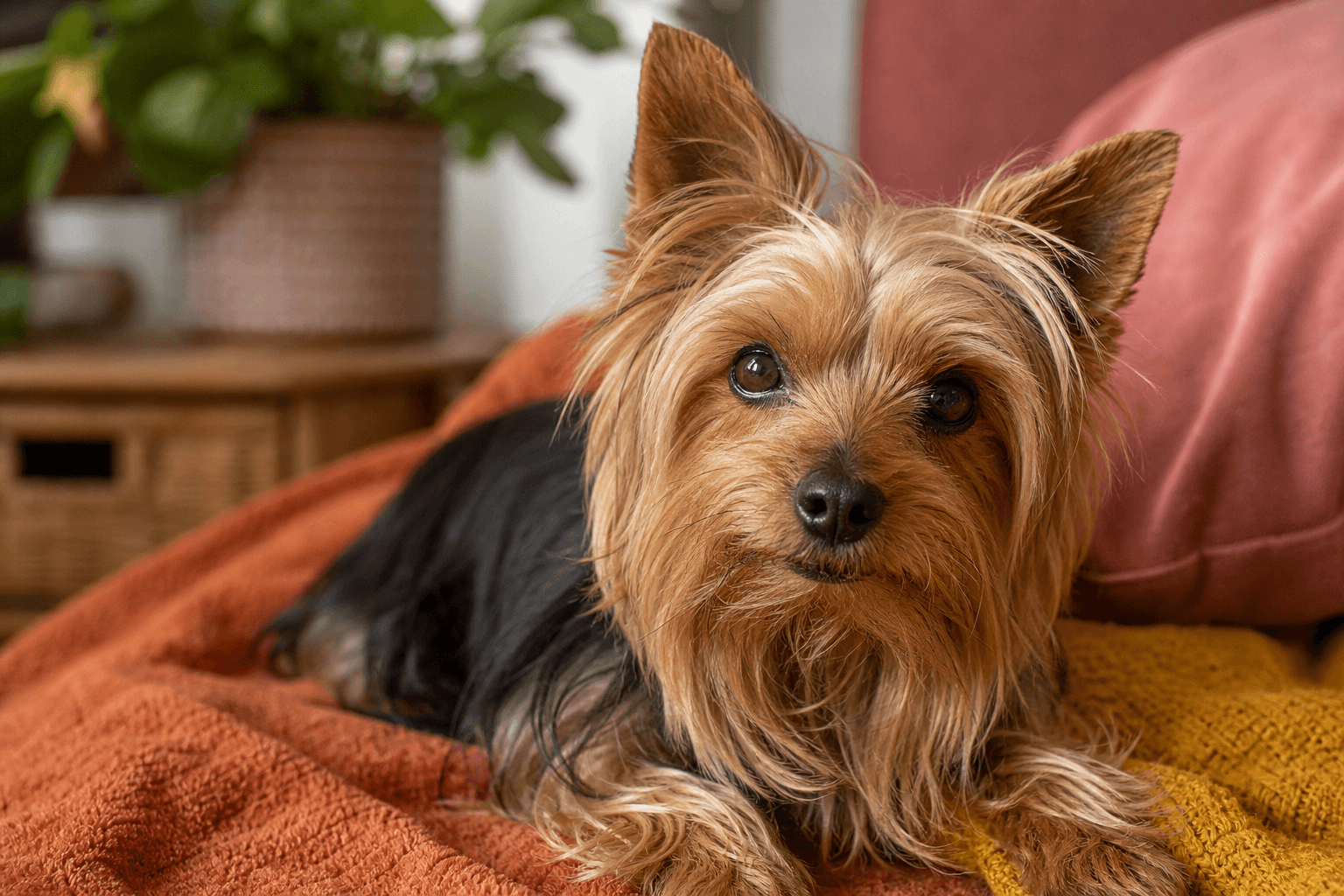
You clicked because you want the real Silky Terrier essentials, not fluff.
We live with these spirited little dynamos, and this is the quick, practical guide we wish we had on day one.
Skim it now, save yourself headaches later, and enjoy more of the fun parts.
Group & Origin
Toy Group; developed in Australia from terrier stock.
Adult Size
Typically 8–10 pounds, 9–10 inches at the shoulder.
Shedding
Low-shedding, single coat; not maintenance-free.
Energy Level
High for a toy breed; needs daily outlets.
1. Toy Size With Big-Dog Attitude
Silky Terriers are small in body and huge in self-belief.
Expect the confidence of a much larger terrier in a portable package, which is charming and sometimes a handful.
They are sturdy for their size, but you still need to protect them from rough play or off-leash encounters with big dogs.
2. The Coat Is Silky, Not Fluffy
The signature coat is fine, straight, and glossy—more like human hair than fur.
It sheds very little, but tangles and breakage happen without routine care.
Plan on brushing 3–4 times a week, a gentle detangler, and a bath every 3–4 weeks to keep that drape smooth.
Many pet owners keep a shorter “puppy trim” to reduce daily work while keeping the Silky look.
3. Exercise: A Little Body Needs Real Outlets
This is not a purse dog that naps all day.
Most Silkys thrive on two brisk walks plus play or sniffy training games; think 45–60 minutes total across the day.
Short legs get tired on long marches, so mix in fetch, flirt pole play, or indoor scent games when the weather is rough.
4. Training: Smart But Independent
They learn quickly, but the terrier brain asks: What is in it for me?
Use upbeat, reward-based sessions, 3–5 minutes at a time, and rotate rewards (tiny treats, toys, sniff time) to keep buy-in high.
House training can take patience with any toy breed; strict routines and frequent potty breaks win.
5. Barking and Watchdog Instincts
Silkys are alert and vocal when something changes—doorbells, hallway noises, backyard squirrels.
We set clear rules: thank them for the alert, then cue a quiet behavior and reward silence.
Daily exercise, window management, and a trained settle on a mat make the biggest difference.
6. Kids, Dogs, and Small Pets
With respectful older children, they are playful and loyal.
Because of size and terrier spark, we supervise around toddlers and teach gentle handling both ways.
Early, positive dog-dog socialization helps curb bossiness; many Silkys would chase small pets like hamsters or rabbits, so do not mix unsafely.
7. Health: What to Watch
Common concerns include patellar luxation (loose kneecaps), tracheal collapse, Legg-Calve-Perthes (hip), and dental disease.
Ask breeders about screenings for knees and eyes; use a harness instead of a collar for leash walks to protect the airway.
Keep them lean, build muscle with controlled exercise, and schedule regular dental cleanings if your vet recommends them.
8. Food and Dental Care
Choose a complete, AAFCO-compliant small-breed formula that fits your vet’s advice and your dog’s age.
Measure meals to prevent weight gain—an extra few ounces matters on a 9-pound body.
For teeth, daily brushing is gold standard; add vet-approved dental chews, and plan professional cleanings as needed.
9. Apartment or Yard?
Both work. In apartments, manage views to cut trigger-barking and commit to outdoor time.
In yards, secure fencing is a must; terriers squeeze and dig when they find a gap or a scent worth chasing.
Off-leash in unfenced areas is risky unless recall is bulletproof.
10. Weather and Coat Care
The fine, single coat offers minimal insulation.
In winter, a sweater and paw care keep walks comfortable; in summer, avoid mid-day heat and watch for hot pavement.
Blow-dry on low and gentle comb-throughs prevent post-bath tangles.
11. Travel Made Easier
Silkys are carry-on sized and adapt well if you practice early.
Make the carrier a happy den, take short car trips with treats, and pack a lightweight mat for polite cafe settles.
They do best with your routine: exercise before flights, potty on schedule, and keep feeding simple.
12. Lifespan and Real Costs
Expect 12–15 years with good care.
Budget for grooming tools or professional trims, quality food, pet insurance or a vet fund, and dental cleanings—those add up more than toys ever will.
When you meet their needs, you get a long-lived, funny, fiercely devoted companion.
No dog is truly hypoallergenic. Silkys shed minimally, and many people find them easier on allergies, but dander and saliva can still trigger symptoms.
Brush 3–4 times weekly, bathe every 3–4 weeks, and schedule trims every 6–10 weeks if you prefer a shorter pet cut.
Some do, especially when raised together and supervised, but the prey drive is real. Go slowly and never allow chase games to start.
They are related but distinct breeds. Silkys are generally a bit larger, with a wedge-shaped head and a more terrier-like, ground-covering stride.
Use short, frequent play and training sessions on soft surfaces. Avoid forced running and stairs while growth plates are developing—your vet can guide timing.