12 Essential Facts About Saint Berdoodles That Every New Owner Should Know
You clicked because you want the real story on Saint Berdoodles, fast.
Here is exactly what matters before you bring one of these big-hearted fluffballs home.
We have lived the giant-doodle life — consider this your shortcut.
1. Gentle Giants With a Goofy Streak
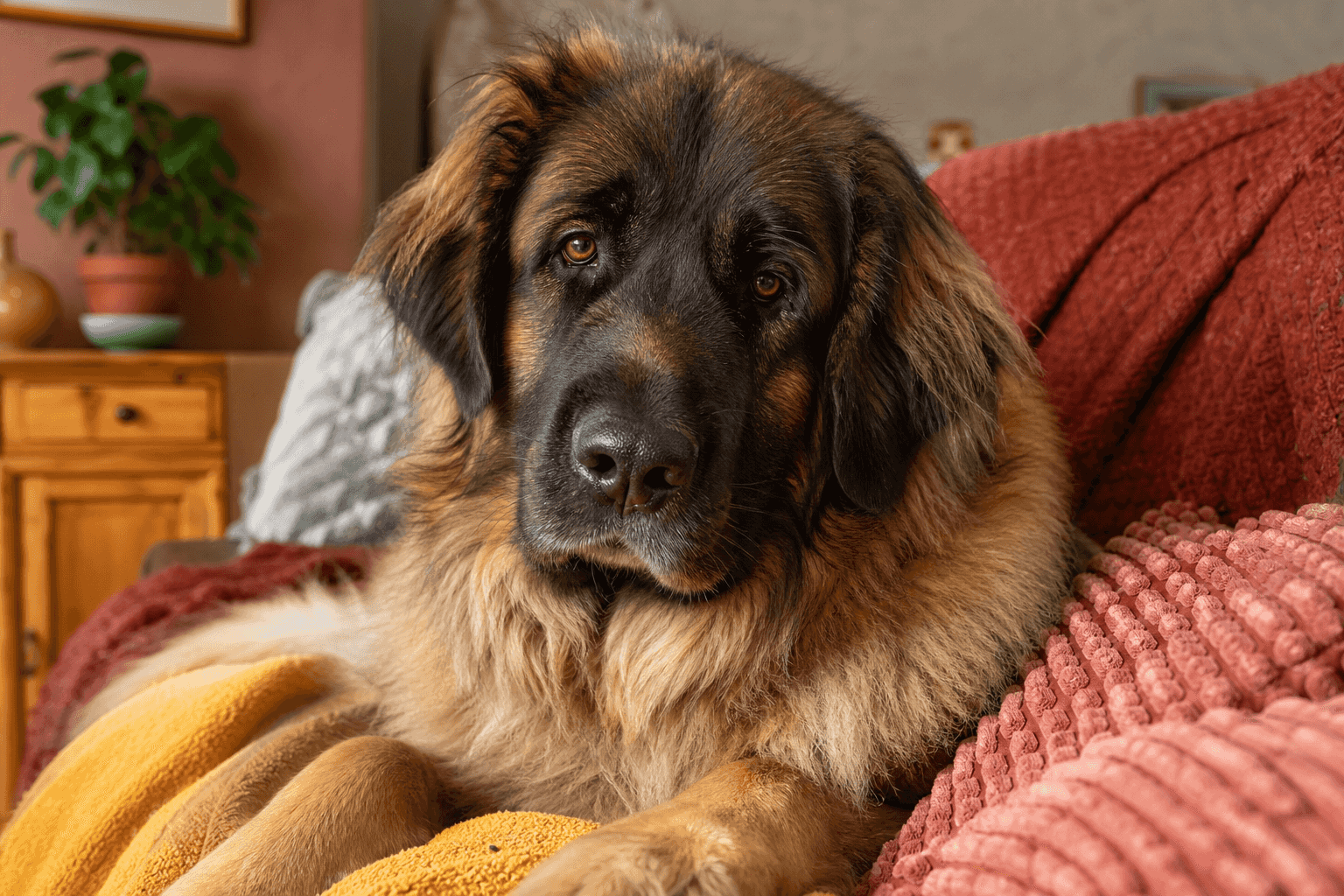
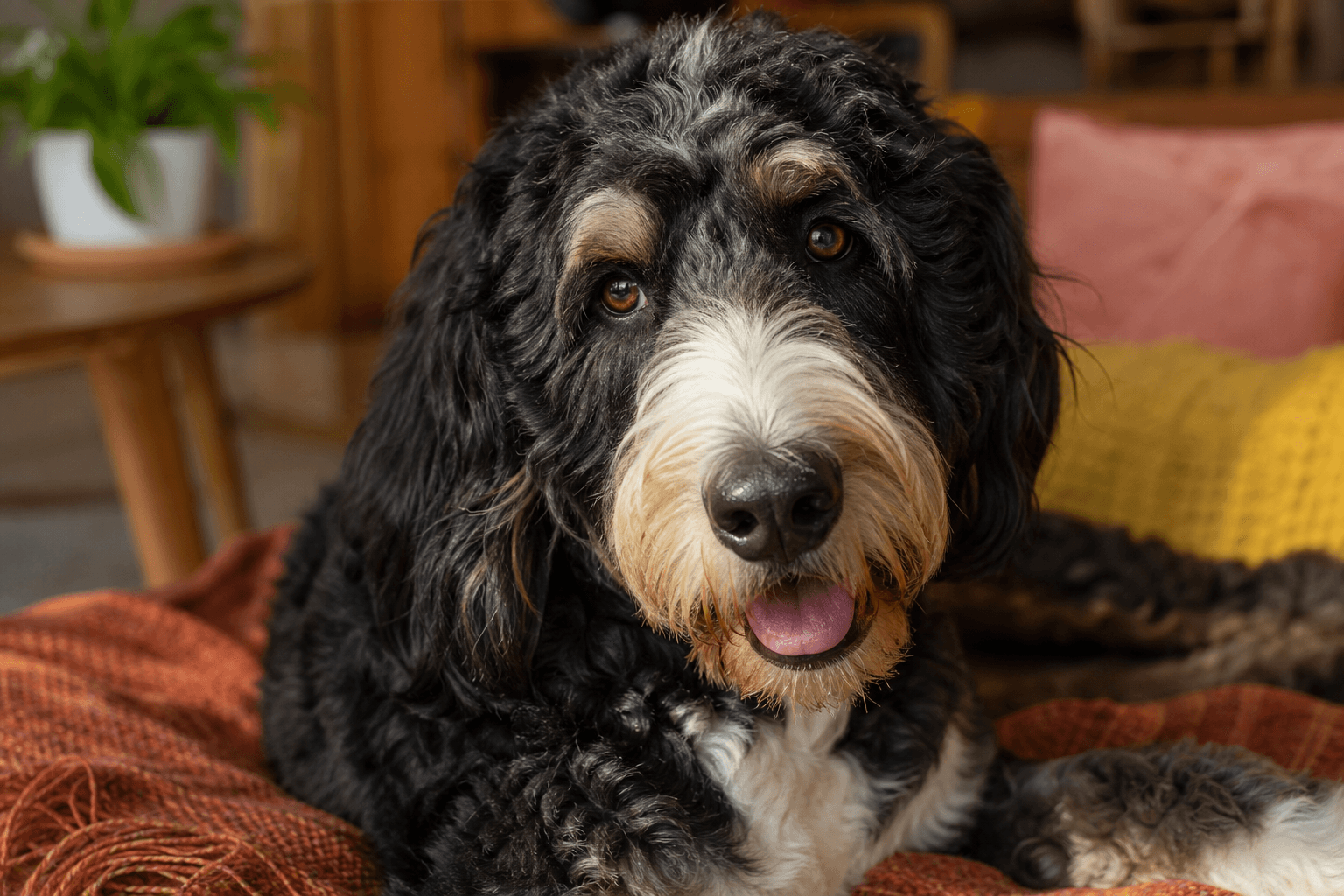
Saint Berdoodles blend the easygoing sweetness of the Saint Bernard with the bright, playful charm of the Poodle.
They are people-focused, affectionate, and often believe they are lap dogs despite their size.
Expect a friendly greeter who loves visitors, with a watchdog bark but little true guarding drive.
2. Size and Strength: Know What You Are Bringing Home
Most Saint Berdoodles are very large dogs — many fall in the 70 to 120 pound range, with some larger.
They are powerful and can easily pull a person if excited, so leash manners are not optional.
Plan for a big bed, a sturdy crate, and a vehicle that can safely fit them.
3. Coats Vary Widely — and So Does Shedding
Coats can be curly, wavy, or straight, and that one trait changes everything about care.
Curly coats usually shed less but mat more; wavy or straight coats may shed seasonally and need more vacuuming but slightly less dematting.
Color patterns range from classic Saint Bernard markings to solid or parti Poodle shades.
4. Not Truly Hypoallergenic
Despite the doodle name, there is no guaranteed allergy-safe coat.
Some Saint Berdoodles bother allergy sufferers less, but dander, saliva, and environmental allergens still travel on that big coat.
Meet the individual dog first if allergies are a concern.
5. Grooming Is a Real Ongoing Cost
Budget for professional grooming every 6 to 8 weeks if your dog has a longer or curlier coat.
At home, plan on brushing several times a week to prevent mats in friction zones like behind the ears, armpits, and tail base.
Even lower-maintenance coats need regular nail trims, ear checks, and occasional sanitary trims.
6. Exercise Needs: Moderate, With Brain Work
Daily activity matters, but this is not a marathoner breed.
Most adults thrive on 45 to 60 minutes of exercise split into walks and play, plus short training or puzzle sessions.
Puppies need controlled, age-appropriate movement to protect growing joints.
7. Training: Smart, Sensitive, and Food-Motivated
Thanks to the Poodle side, they learn quickly, but the Saint softness means they shut down with harsh methods.
Keep sessions upbeat, short, and reward-based, and you will see reliable manners fast.
8. Health Watchlist for Giant Doodles
Look for breeders who screen hips and elbows and share OFA or PennHIP results.
Common concerns include hip and elbow dysplasia, bloat or gastric dilatation volvulus risk from the deep chest, eye issues like entropion or cataracts, and some endocrine conditions seen in Poodles.
9. Heat Management Matters
Big bodies and sometimes dense coats make heat a bigger deal.
Walk at cooler times, carry water, and choose shade breaks.
An indoor cooling mat and a summer trim can help, but never shave to the skin; a well-maintained coat insulates from both heat and sunburn.
10. Family Fit: Kids, Other Pets, and Space
They are typically wonderful with respectful children and polite with other dogs.
Because of their size, supervise around toddlers and teach gentle greetings to prevent accidental knocks.
They can live in an apartment if you commit to exercise and enrichment, but a bit of floor space makes life easier.
11. Budgeting: Food, Grooming, and Gear for Big Dogs
Big dogs eat more, outgrow gear quickly, and need heavy-duty equipment.
Quality large-breed puppy food supports slow, steady growth; later, choose an adult formula that suits activity and body condition.
Expect higher monthly food costs and regular professional grooming if you keep a longer coat.
| Category | Rating |
|---|---|
| Energy | |
| Grooming Needs | |
| Trainability | |
| Shedding | |
| Drool | |
| Kid Friendly | |
| Heat Tolerance |
12. Finding an Ethical Breeder or Rescue
Work with breeders who health test both lines and are transparent about results and contracts.
They should discuss temperament, coat expectations, and lifetime support, and never push you to take a puppy today.
Rescues do get Saint Berdoodles and Saint or Poodle mixes; be open to adults, which often come with known coat type and temperament.