12 Essential Facts About Maremma Sheepdogs That Every New Owner Should Know
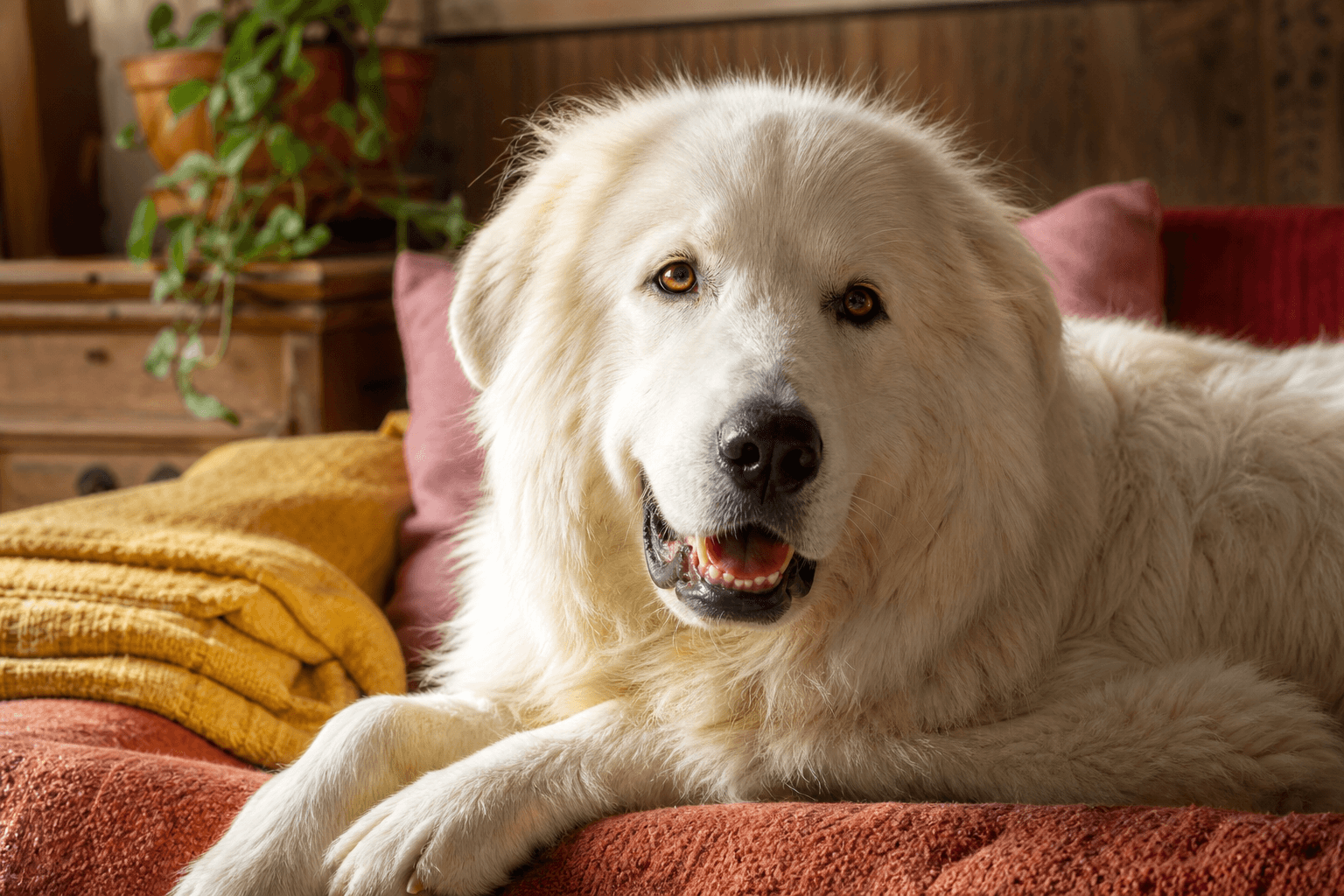
You fell for the majestic white guardian with the thoughtful eyes. We get it.
Here is the clear, no-drama guide to what life with a Maremma Sheepdog is really like — so you can thrive together.
Skim the list, pick what you need, and start strong.
1. They Are Livestock Guardians First
Maremmas were bred in rural Italy to live with and protect flocks without constant human direction.
That purpose shows up in daily life: they patrol, watch, and make decisions. If you expect a velcro retriever, you will be frustrated. If you respect their job, you will be amazed.
2. Independence Is a Feature, Not a Bug
This breed thinks for itself. They assess, then act.
Ask for cooperation, do not micromanage. Short sessions, meaningful tasks, and consistency beat drills every time.
3. Secure Fencing Is Non-Negotiable
A working guardian will widen the patrol if allowed. That means roaming if the fence is weak.
Plan for 5 to 6 foot fencing with dig barriers at the base and solid gates. Off leash in open, unfenced spaces is rarely reliable.
4. Barking Is Communication, Not Mischief
Maremmas bark to announce, deter, and coordinate. Nighttime alerts are common, especially in rural settings.
Teach a quiet cue, bring them indoors overnight in suburban areas, and use white noise for nearby sleepers.
5. Exercise Needs Are Real but Different
They are built for steady patrols, not sprint sports. Think movement and mental work over fetch marathons.
Plan on 60 to 90 minutes of purposeful activity daily: perimeter walks, sniffing, light hiking, and supervised yard time with tasks.
6. Early Socialization Pays for Life
Guardians must learn what is normal so they can ignore it later.
Expose them early and calmly to visitors, delivery noises, livestock, vehicles, and grooming. Keep sessions short, neutral, and reward calm observation.
7. Training Works Best When It Feels Like Partnership
Positive reinforcement, clear boundaries, and fair expectations are your toolkit.
Focus on rock-solid recall to a long line, boundary stay, leave it, and calm greetings. Avoid harsh corrections that erode trust.
8. The Coat Is Weatherproof, Not Maintenance-Free
The dense double coat shrugs off rain and cold but sheds seasonally and mats behind ears and in the breeches.
Brush weekly, daily during spring and fall sheds. Bathing is occasional; blow out dead coat instead. Trim nails and check ears regularly.
9. Health: Grow Slow and Guard the Joints
Like many large breeds, Maremmas are prone to hip and elbow dysplasia and are at risk for bloat.
Feed a large-breed puppy formula to slow growth, keep them lean, split meals, rest after eating, and discuss gastropexy with your vet. Typical lifespan is about 10 to 13 years.
10. Not a Dog-Park Dog
Unstructured groups of unfamiliar dogs and pushy play styles can trigger guarding or conflict.
Choose parallel walks with known friends, quiet trails, or supervised livestock time instead.
11. Space and Routine Keep Them Calm
They do best with room to move and a job to own, even if that job is calmly overseeing your backyard.
Post clear house rules: where to rest, who answers the door, and when patrol time happens. Predictability lowers reactivity.
12. The Right Home Makes a Magical Family Dog
With respectful handling, Maremmas are deeply bonded, gentle with stock, and tender with their people.
They can be wonderful with children when supervised and socialized, but their size and guarding instinct call for mindful introductions and management.
- You have secure 5 to 6 foot fencing with dig barriers
- You enjoy calm walks and purposeful tasks over high-adrenaline play
- Neighbors are tolerant of occasional alert barking
- You can commit to early socialization and positive training
- You plan to let them roam off leash in open, unfenced areas
- You want a constant fetch partner or dog-park regular
Quick care snapshot
Grooming
Weekly brushing; daily during heavy shed. Occasional baths, regular nails and ear checks.
Exercise
60 to 90 minutes of patrol-style movement and sniffing; mental work matters.
Training
Bond-based, positive reinforcement. Focus on recall, boundaries, and calm greetings.
Health Watch
Hips, elbows, bloat risk. Keep lean and grow slow on large-breed diets.