12 Essential Facts About King Shepherds That Every New Owner Should Know
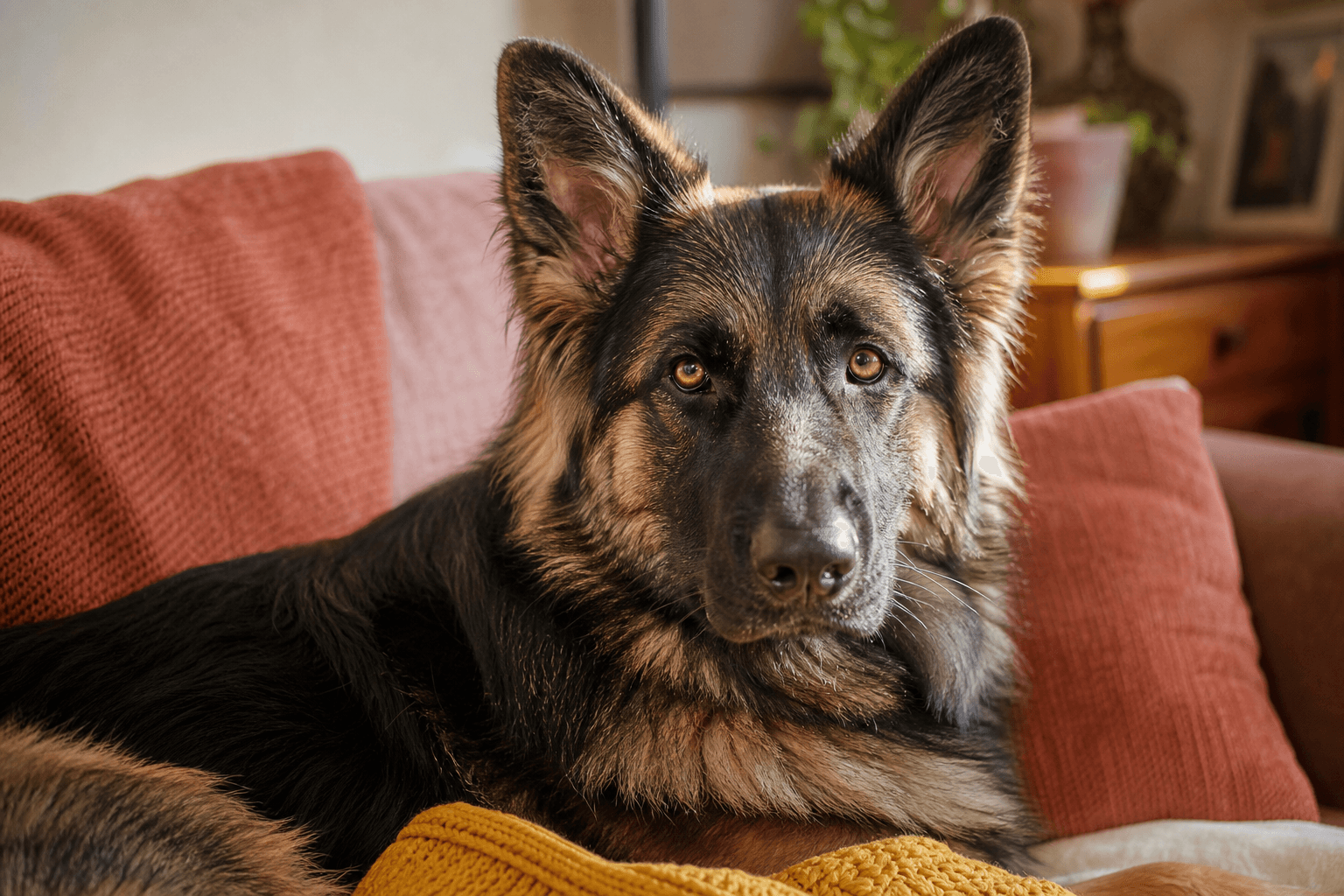
You clicked because you want the real picture of living with a King Shepherd.
Here is the concise, experience-led guide we wish we had on day one.
Skim it now, save yourself stress later.
1. A Gentle Giant, Not Just a Big GSD
King Shepherds were developed in the 1990s by blending German Shepherd lines with other large, stable breeds to emphasize size, strong health, and a steadier family temperament.
Expect a truly large dog: males often 110 to 150 pounds and 27 to 32 inches tall; females a bit smaller.
2. Temperament Built for Family Life
They are typically loyal, calm, and protective without being nervy, which is why so many families love them.
With proper guidance, they are patient with kids and polite with visitors once introduced, but they will naturally guard the home.
3. Space and Exercise Needs
This is a big, athletic dog that does best with a yard and daily movement.
Plan on 60 to 90 minutes of exercise split between brisk walks and free sniffing, plus short training games to take the edge off.
4. Trainability and Mental Work
They are highly intelligent and eager to please, but their size means manners matter early.
Keep sessions short and upbeat: name recognition, loose-leash walking, place, down-stay, recall, and calm door etiquette are day-one essentials.
5. Socialization Matters Early
Start controlled exposure between 8 and 16 weeks to different floors, sounds, people, and friendly, vaccinated dogs.
Focus on neutrality: reward checking in with you while calmly observing the world rather than greeting everything.
6. Coat, Shedding, and Grooming
King Shepherds sport a dense double coat in plush or long varieties that sheds year-round with heavy seasonal blowouts.
Brush two to four times weekly, daily during blowouts; bathe every 6 to 10 weeks, and keep nails short to protect joints.
7. Health Watchouts
Like other large breeds, monitor for hip and elbow dysplasia, degenerative myelopathy, and bloat or GDV.
Ask for orthopedic and genetic screening from breeders, keep your dog lean, and learn the signs of bloat so you can act fast.
8. Nutrition for Large Breeds
Feed a high-quality, large-breed formula; for puppies, slow and steady growth is the goal to protect joints.
Split adult meals into two or three feedings, avoid hard exercise right before and after meals, and discuss bloat risk-reduction with your vet.
9. Weather Tolerance
The double coat insulates well in the cold with proper shelter and paw care.
In heat, they tire faster; walk at cooler times, provide shade and water, and watch for overheating.
10. Costs to Budget For
Big dogs bring big-line items: food, larger crates and beds, durable toys, routine grooming tools, and higher-dose preventives.
Add pet insurance or an emergency fund; orthopedic surgeries and GDV treatment can be expensive.
11. Breed Status and Finding a Breeder
King Shepherds are a breed-in-development with dedicated registries, not a kennel club mainstay everywhere.
Work with breeders who health test, prioritize temperament, and welcome your questions; meet parents when possible and read contracts carefully.
| Category | Rating |
|---|---|
| Family friendliness | |
| Trainability | |
| Energy level | |
| Grooming needs | |
| Health robustness | |
| Apartment fit |
12. Who They Are Perfect For
Choose a King Shepherd if you want a gentle, trainable guardian who will shadow the family, hike on weekends, and relax at your feet after.
They are not a match for low-activity homes or anyone who dislikes dog hair, but for active families who love training, they are a dream.