12 Essential Facts About Cavapoochons That Every New Owner Should Know
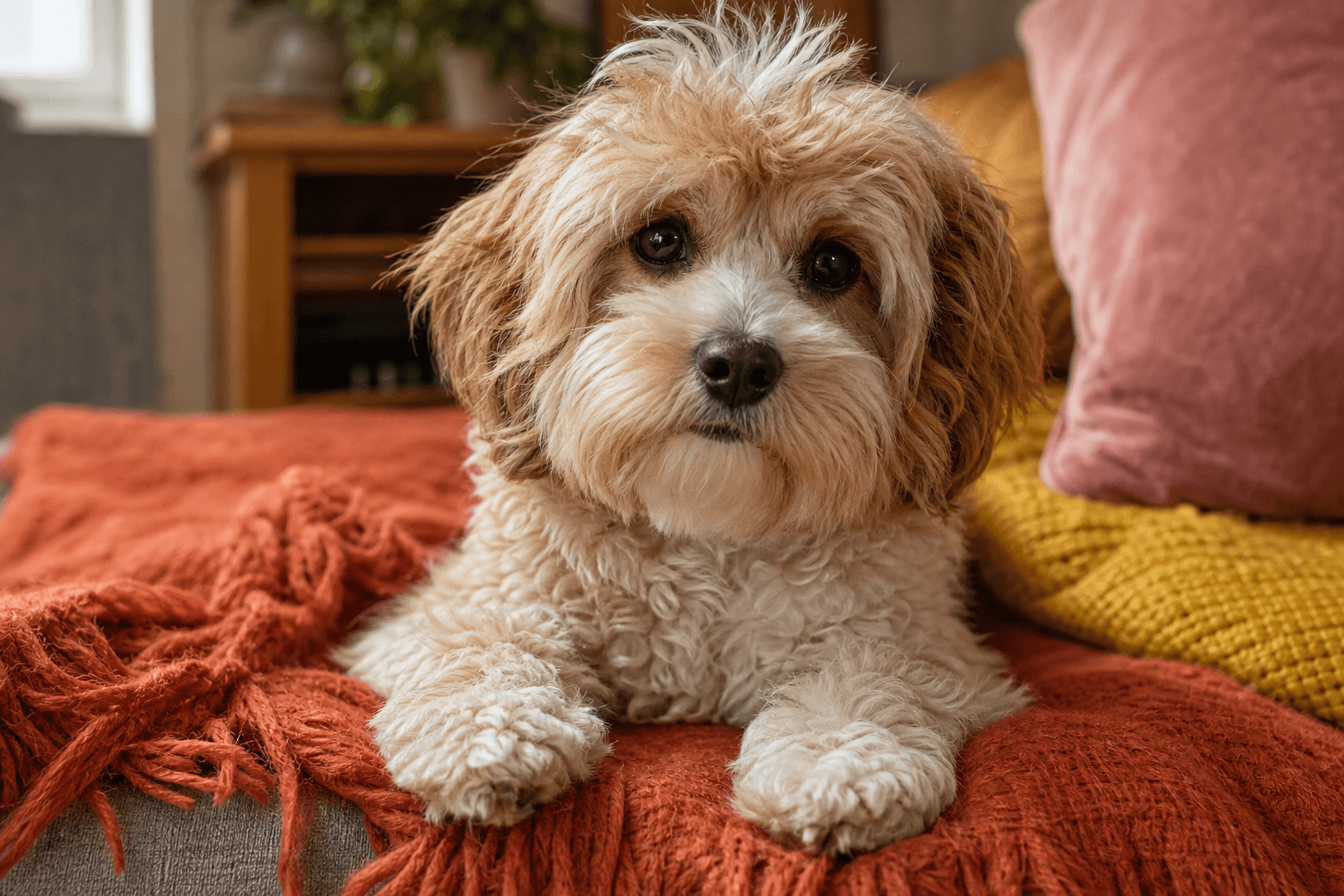
You clicked for the real Cavapoochon lowdown — not fluff.
We live with doodle mixes and work with new owners every week.
Here are the must-know facts so you can enjoy the cuddles and avoid the surprises.
1. What a Cavapoochon Actually Is
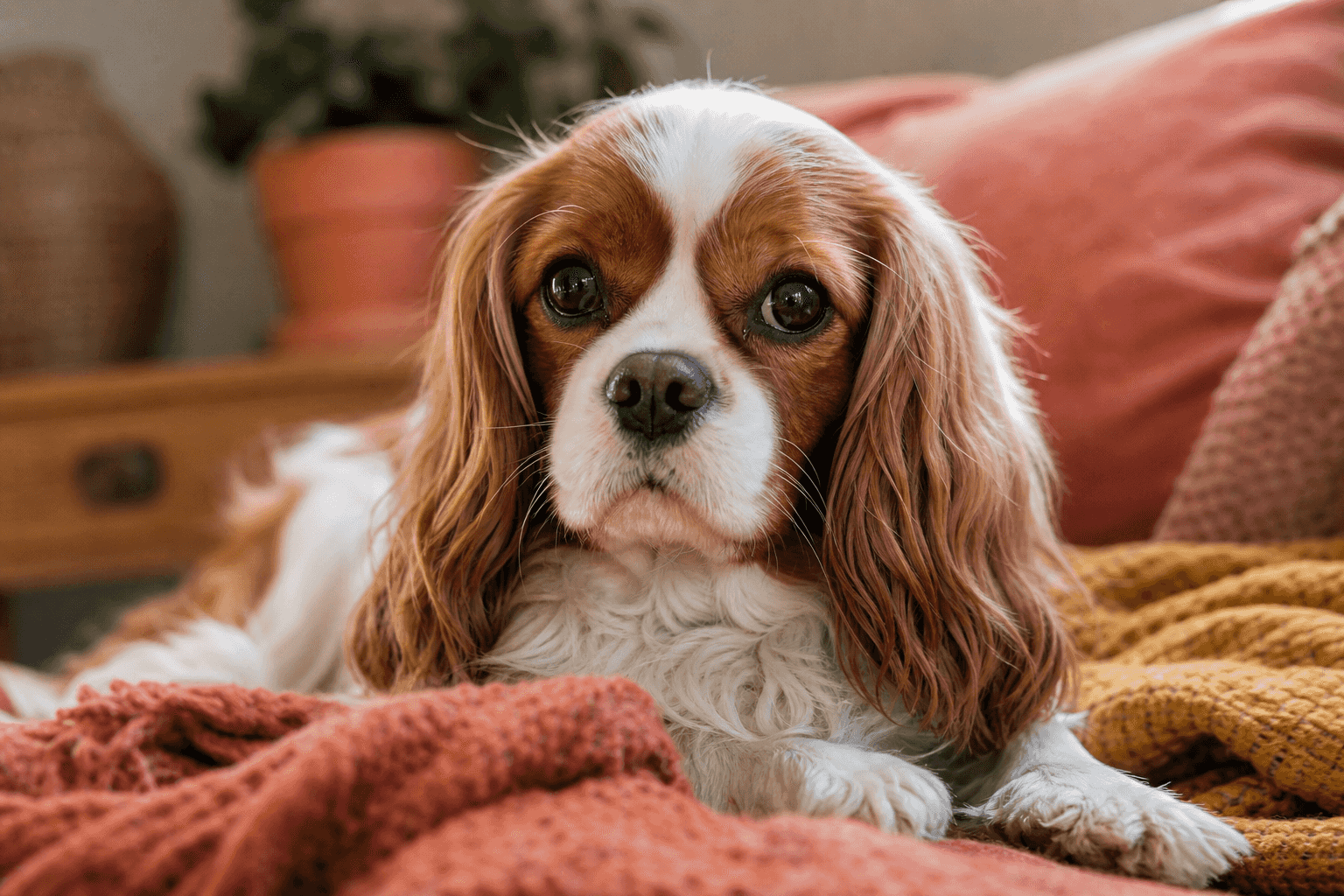
A Cavapoochon is a deliberate blend of Cavalier King Charles Spaniel, Bichon Frise, and Miniature or Toy Poodle, created to keep the **teddy-bear look** into adulthood with a friendly, people-first temperament.
Many are multigenerational to stabilize traits, so ask breeders which crosses are in your puppy’s line.
2. Size and Build
Most adults land around **10–20 pounds** and 9–14 inches tall, with compact frames and a soft, round face.
Because mixes vary, littermates can differ; meet parents to gauge your pup’s likely size.
3. Coat and Grooming Commitment
The low-shedding coat is wavy to curly and **mat-prone**. Plan for thorough brushing 3–5 times a week and professional grooming every 6–8 weeks.
Keep eyes and ears clean, trim nails regularly, and start grooming habits early so appointments stay low-stress.
4. Temperament You Can Expect
Sweet, social, and often **Velcro-dog** affectionate, Cavapoochons thrive on human company and generally love kids and polite dogs.
They are typically gentle and playful, but pushy play or rough handling can make any small dog defensive — supervise with young children.
5. Exercise and Enrichment Needs
Plan on **40–60 minutes daily**, split between walks and play, plus short brain games to take the edge off.
Sniff walks, hide-and-seek, and simple fetch beat miles of marching for this size.
6. Training: Smart but Sensitive
They’re quick studies with **positive reinforcement**, food motivation, and short, fun sessions.
Harsh corrections shut them down; teach calm greetings, settle on a mat, and impulse control early to limit jumping and demand barking.
7. Health Snapshot
Potential issues include mitral valve disease (from Cavalier lines), patellar luxation, hip dysplasia, ear infections, dental crowding, and eye conditions.
Look for breeders who cardiac-screen Cavaliers, OFA-test knees/hips, and perform eye exams; maintain lean body condition to protect joints and heart.
8. The Hypoallergenic Reality
They’re **low-shedding**, not zero-allergen. Dander and saliva still exist, and individual tolerance varies.
Meet adult relatives, keep a regular grooming routine, and use HEPA filtration if allergies are a concern.
9. Social Needs and Alone Time
Cavapoochons bond deeply and can struggle with long days solo, leading to barking or mischief.
Crate-train kindly, build independence with short departures, and consider a midday walker if you work away from home.
10. Costs You Should Plan For
Beyond the purchase or adoption fee, budget for professional grooming, quality food, preventives, vet care, and training.
Grooming (6–8 weeks)
Regular appointments plus home tools like a slicker brush, metal comb, and clipper-safe detangler.
Vet & Preventives
Annual exams, vaccines, heartworm/flea/tick preventives; consider dental cleanings in adulthood.
Training & Enrichment
Puppy classes, puzzle toys, chews, and a crate or pen.
Insurance or Savings
Pet insurance or an emergency fund to cover unexpected care.
11. Best Living Situations
They adapt well to apartments or houses if exercise and mental work are met; barking is usually moderate and trainable.
Their coat offers some weather flexibility, but they’re small — use a winter sweater and avoid overexertion in heat.
12. Finding a Responsible Breeder or Rescue
Seek breeders who health-test, welcome questions, and match puppies by temperament — no waiting-room pickups or cash-only pressure.
Rescues and breed-specific doodle groups also rehome wonderful adults; ask for behavior notes and vet records.
- Brush 3–5x weekly and book professional grooming every 6–8 weeks
- Use positive reinforcement and keep sessions short and fun
- Assume zero allergens because the coat is curly
- Leave a young Cavapoochon alone for 9–10 hours daily
- Budget for vet care, grooming, and training from day one