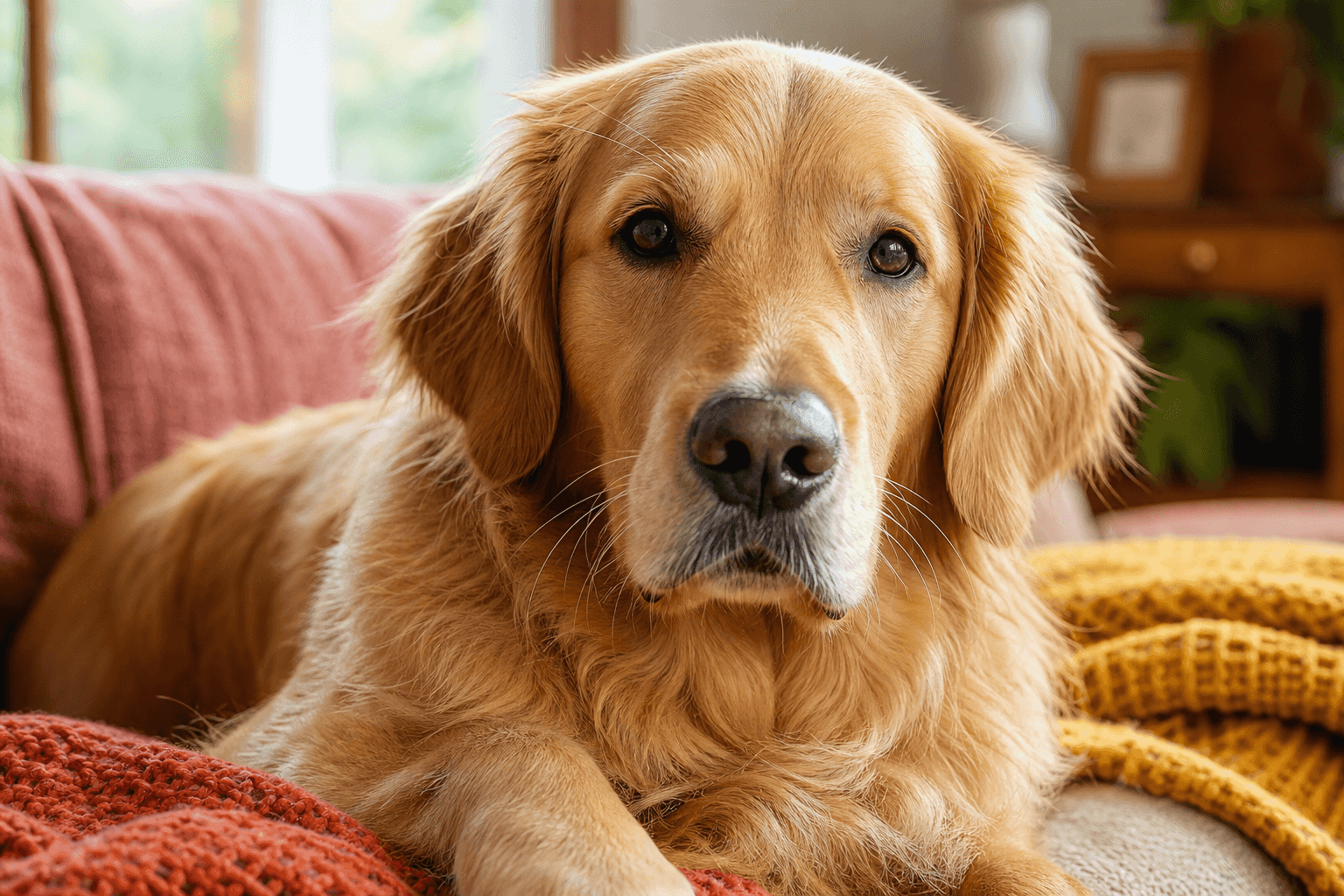
12 Essential Facts About Cavachons That Every New Owner Should Know
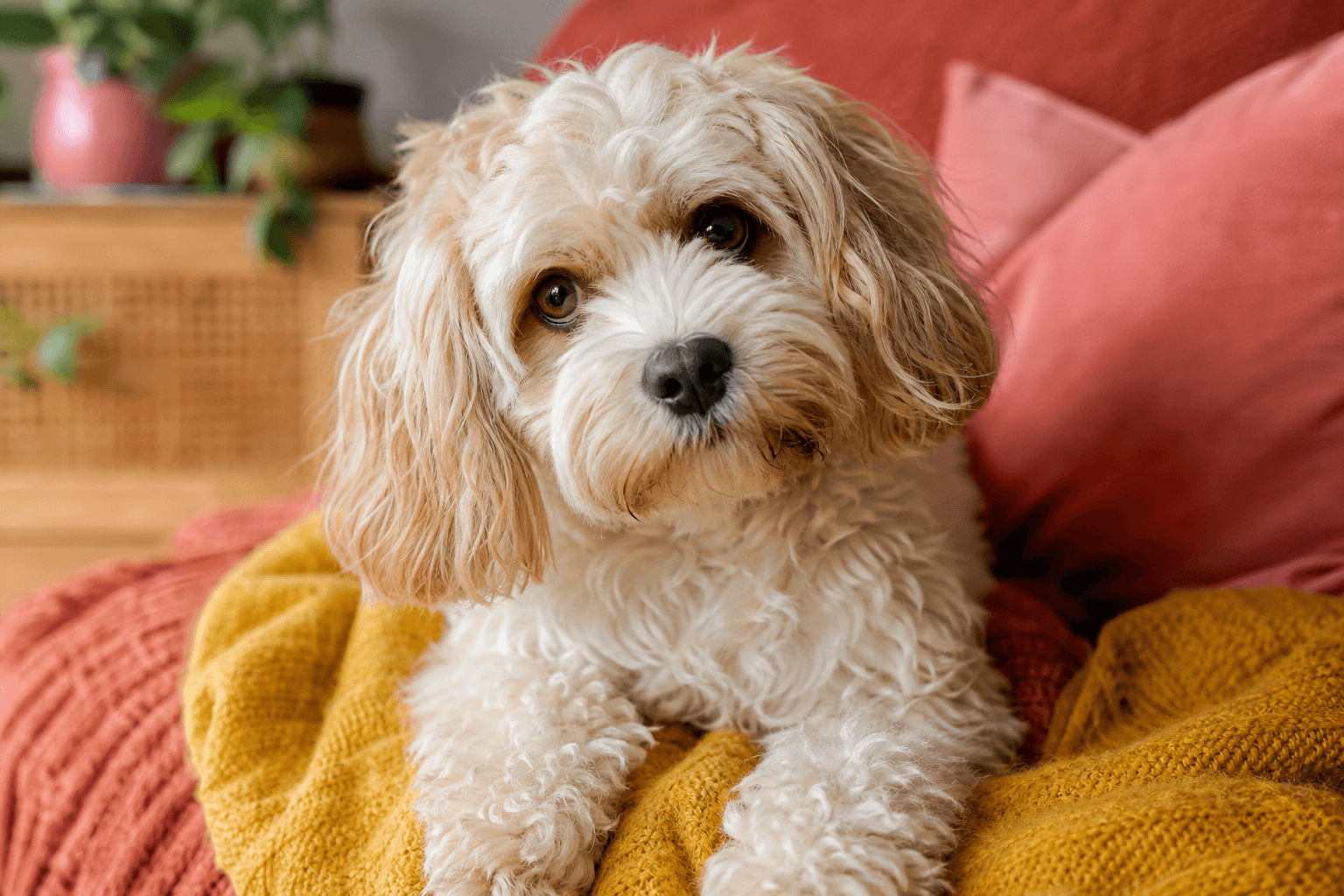
You clicked because you want the real Cavachon picture, fast.
We live with these joyful fluffballs and know what matters on day one.
Here are the essentials you will be glad you learned before the first cuddle nap ends.
1. They Are Small, But Not Fragile
Cavachons generally land in the 12–20 pound range and stand under a foot tall.
They are sturdy enough for everyday adventures, but their joints are small — teach kids to support the chest and hindquarters when lifting.
2. Temperament: Sweet, Social, Velcro
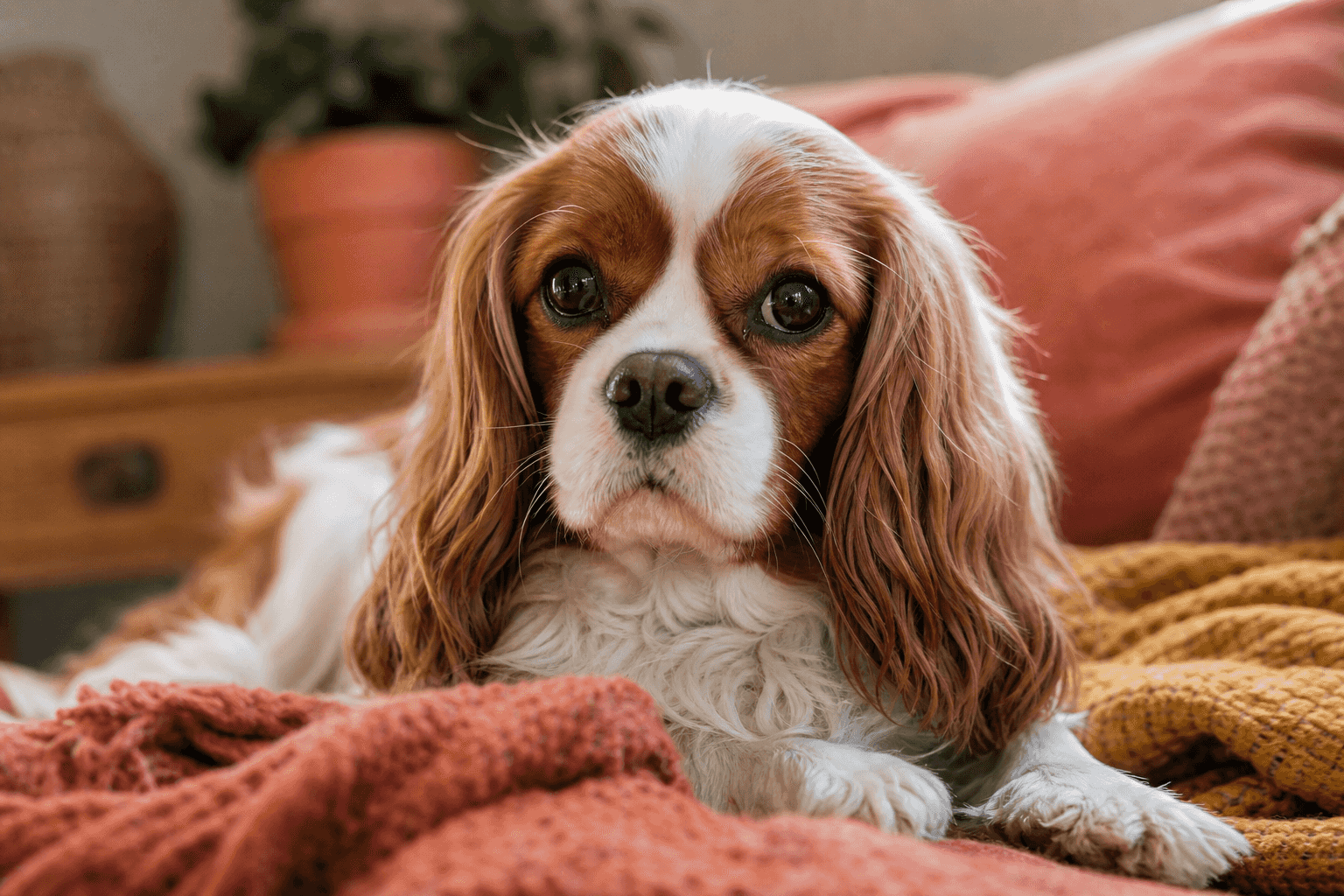
From the Cavalier they inherit affection; from the Bichon, cheerfulness and play.
Expect a companion who follows you from room to room and prefers being with people over lounging alone.
Pros
Why People Love Them
- Affectionate lapdogs who still enjoy play
- Sociable with guests and friendly dogs
- Adaptable to many lifestyles
Cons
What To Watch For
- Can be clingy without alone-time training
- May vocalize at knocks and footsteps
- Coat care and eye gunk need upkeep
3. Exercise Needs Are Moderate
Plan on about 45–60 minutes total daily: a couple of short walks plus a play burst or two.
They are sprinters, not marathoners — mental games like sniffy walks and hide-and-seek toys tire them out kindly.
4. The Coat Needs Consistent Care
The wavy to curly coat sheds lightly but mats quickly at the armpits, behind ears, and around the collar.
Brush 3–4 times a week, comb the friction spots, and book a professional groom every 6–10 weeks depending on length.
5. Health: What Mixes Can Inherit
Mixed breeds can still inherit parent-breed issues. For Cavachons, watch for mitral valve disease from Cavalier lines, patellar luxation, allergies, tear staining, and ear infections.
Choose breeders who screen Cavaliers for heart disease and both parents for knees and eyes, and keep ears dry after baths.
6. Training: Eager, Sensitive Learners
They respond best to upbeat, reward-based methods. Corrections or harsh tones can shut them down.
House training is doable with a schedule and confinement plan; many nail it by 4–6 months when you manage water, meals, and potty breaks.
7. Apartment-Friendly With Caveats
Cavachons thrive in small spaces if daily needs are met.
Give them windows to watch, puzzle feeders, and two quality outings a day. Thin walls plus a watchdog streak means you will want quiet-time training.
8. Barking And Alone Time
They are not chronic yappers by default, but they alert bark and dislike long stretches solo.
Normalize short separations from week one: scatter-feed a chew, step out for a minute, return calmly, and build duration so they learn that departures predict good things.
9. Feeding For A Healthy Weight
Small dogs gain fast. Start with the food maker's lower range for their ideal adult weight, split into two meals, and adjust by body condition: you should feel ribs with a light layer, not see them.
Watch treats; aim for single-ingredient chews and use part of their meal for training.
10. Great With Kids And Other Pets
Well-socialized Cavachons are gentle playmates.
We coach a house rule: dog chooses the cuddle. Supervise toddler interactions, and teach dogs a safe spot they can retreat to without being followed.
11. Lifespan, Costs, And Insurance
Cavachons often live 12–15 years with good care.
Budget beyond adoption price: grooming, quality food, vaccines, dental cleanings, and an emergency fund. Pet insurance can offset big surprises like knee surgery or heart diagnostics as they age.
12. Finding A Responsible Breeder Or Rescue
Responsible breeders prioritize health and temperament over novelty colors. They welcome questions, show test results, and never pressure you.
Also check small-breed rescues; Cavachons do come through. Meet the dog, ask about energy, house training, and any medical notes, and be honest about your routine.
Lightly. Many are low-shedding, but none are guaranteed non-shedding. Regular brushing and professional grooming reduce loose hair and matting.
No dog is truly hypoallergenic. Many allergy sufferers do better with Cavachons because of lighter shedding, but meet a specific dog before committing.
Brush 3–4 times weekly and schedule a groom every 6–10 weeks. Keep eyes, ears, and sanitary areas tidy between grooms.
Aim for 45–60 minutes daily split into walks and play, plus mental enrichment like scent games. Puppies need shorter, gentler sessions.
With training and a midday break, many do fine. Start with very short absences, use chews and snuffle mats, and consider a sitter or daycare a few days a week.