12 Essential Facts About Boykin Spaniels That Every New Owner Should Know
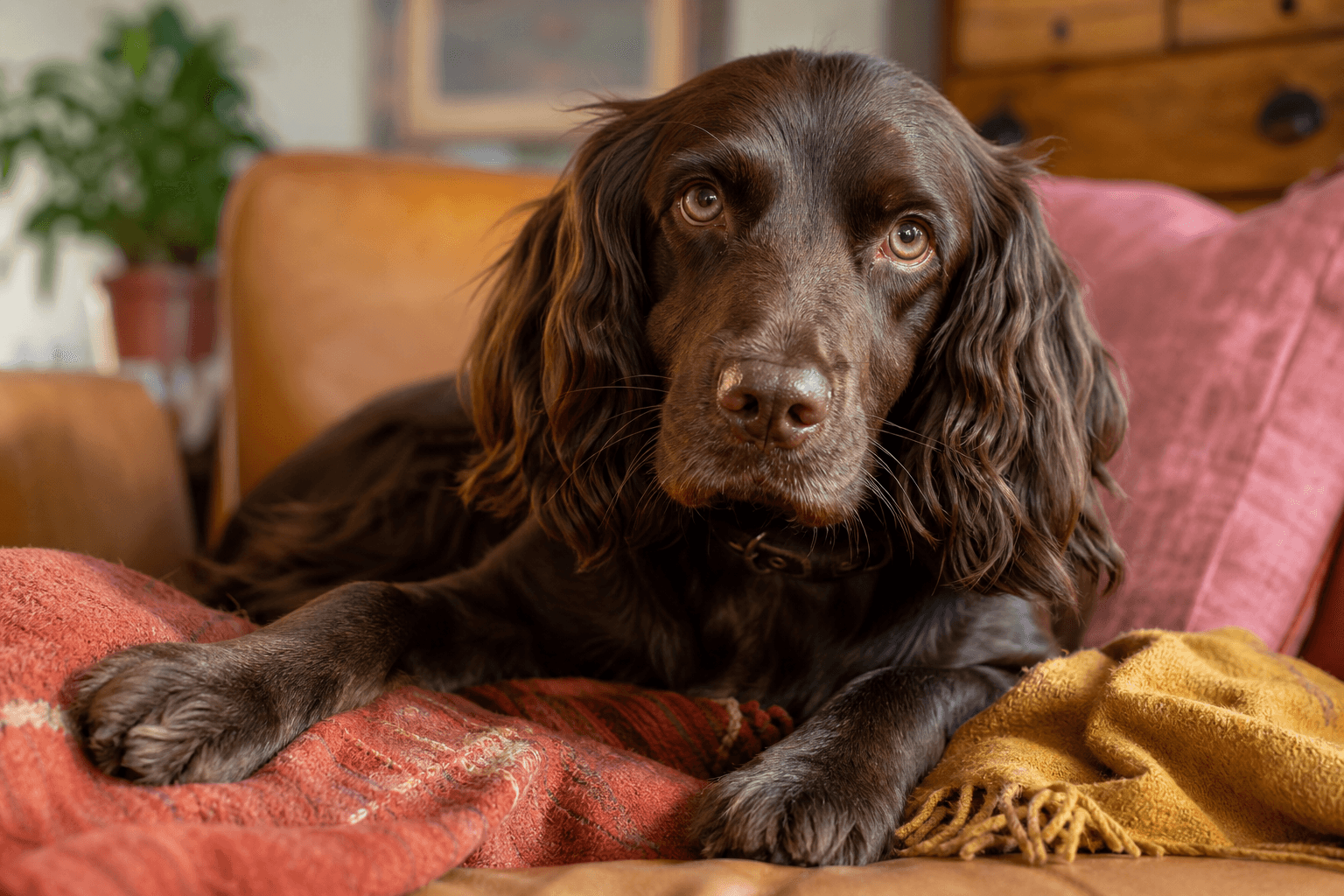
You fell in love with the little brown dog for good reason.
Here are the real-world facts we wish we knew before bringing a Boykin home, from energy needs to health screens.
Skim the list, pick your priorities, and you will be set up for a happy first year.
1. True Southern Gundogs With Manners
Boykin Spaniels were developed in South Carolina for compact swamp boats, flushing and retrieving wild turkeys and waterfowl. They are the official state dog of South Carolina.
That heritage shows up today as a cheerful, biddable spaniel with a serious work switch when it is time to hunt or train.
2. Medium Size, Big Engine
Most Boykins land around 25 to 40 pounds and 14 to 18 inches at the shoulder, easy to lift into the car and small-boat friendly.
Their stamina is the surprise; they can go all morning in the field, then snooze at your feet. Plan life around that engine.
3. One Color, Wash-and-Wear Coat
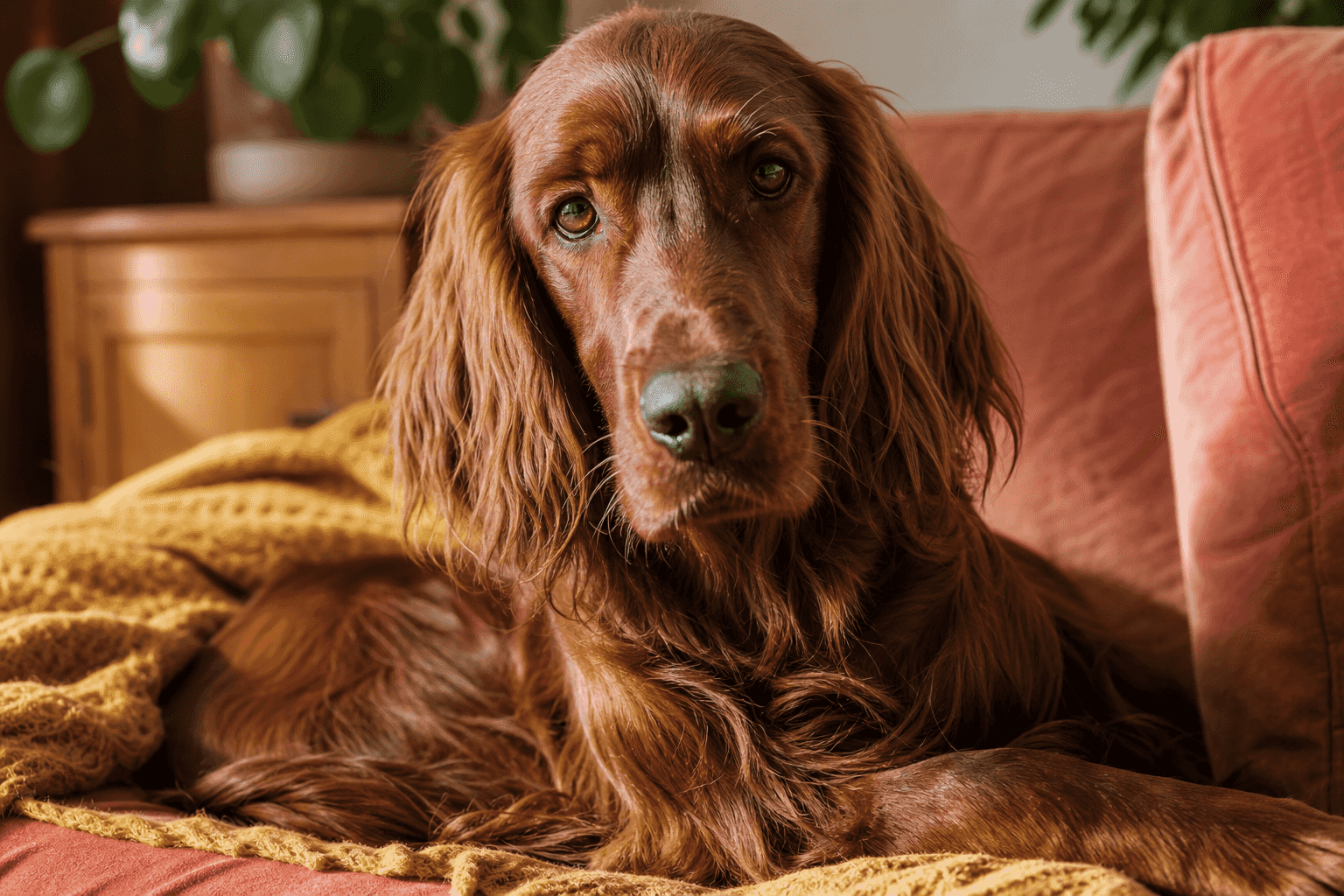
The breed comes in shades of liver to rich chocolate only, with a wavy to curly, water-shedding coat and moderate feathering.
Shedding is moderate. A quick brush a few times a week plus a tidy trim around feet, ears, and sanitary areas keeps them comfortable and mats at bay.
4. Daily Exercise Expectations
Count on 60 to 90 minutes of physical activity most days. Mix brisk walks, fetch, field drills, and swims to satisfy both body and brain.
On bad-weather days, swap in nose work games and hide-and-seek retrieves. A bored Boykin invents jobs you will not like, like counter surfing or excavating.
5. Training a Soft, Smart Dog
Boykins are highly trainable but emotionally sensitive. They bloom with clear structure, short upbeat sessions, and rewards they love.
Harsh corrections shut them down. Balance precision with fun, and you will see fast progress from basic manners to reliable recall and steadiness.
6. Made for Water
With compact, webbed feet and a water-resistant coat, most Boykins take to lakes and marshes happily.
Rinse off after murky swims and dry the ear canals with a vet-recommended ear solution to prevent infections.
7. Health Watchlist and Testing
Like many sporting breeds, Boykins can face hip dysplasia, hereditary eye issues such as cataracts and PRA, and orthopedic strains from weekend-warrior routines.
Genetic risks to discuss with your vet and breeder include degenerative myelopathy and exercise-associated collapse syndromes; responsible breeders DNA test and share results. Floppy ears mean otitis is common without routine care.
8. Family Life and Other Pets
Well-socialized Boykins are generally affectionate with kids and polite with other dogs.
They carry a natural chase and retrieve instinct, so supervise around small pets and teach calm behavior from day one. Nippy puppy play fades with structure and chew outlets.
9. Home Setup That Works
They can thrive in apartments if you meet exercise needs, but a yard simplifies potty breaks and play.
A crate gives this high-drive dog an off switch. Rotate durable retrieves and puzzle feeders to prevent separation anxiety from taking root.
10. Grooming Routine That Works
Brush 2 to 4 times weekly, check behind ears and in feathering for burrs after field days, and trim nails every 1 to 2 weeks.
Schedule a light tidy every 6 to 10 weeks if you prefer a neater outline; keep feathering practical if your dog hunts in heavy cover.
Essential tools
Slicker brush, metal comb, hemostats for burrs, nail grinder or clippers, ear cleaner.
Post-swim routine
Rinse, towel dry, ear flush, quick brush-out to prevent tangles and hot spots.
Mat prevention
Break up any felted areas gently with the comb before they tighten; never yank.
Seasonal shedding
Expect heavier shed in spring and fall; increase brushing those weeks.
11. Food, Weight, and Feeding
Lean is your friend for joints and endurance. You should feel ribs with light pressure and see a waist from above.
Measure meals, use training kibble from the daily ration, and add water after hunts. For busy brains, spread meals via snuffle mats or stuffed chews.
12. Finding a Breeder or Rescue
Look for breeders who title dogs in health or performance, perform all recommended health screens, and welcome your questions.
Prefer contracts that guarantee health testing transparency over flashy promises. If you love a second-chance story, Boykin Spaniel Rescue and regional sporting rescues place great dogs with active homes.
No. They shed moderately and produce dander. Regular brushing and vacuuming help, but they are not a hypoallergenic breed.
They can, if you commit to daily exercise and training. Without that outlet, apartment living gets stressful for everyone.
After every swim and at least weekly otherwise. Use a vet-approved ear cleaner and dry the canals gently.
Docking is still seen in the U.S., especially in hunting lines, but practices vary by breeder and region. Many dogs keep natural tails.
Avoid forced running and long retrieves on hard surfaces. Use short, fun sessions, soft ground, and plenty of rest while growth plates are open.