12 Essential Facts About Aussiedoodles That Every New Owner Should Know
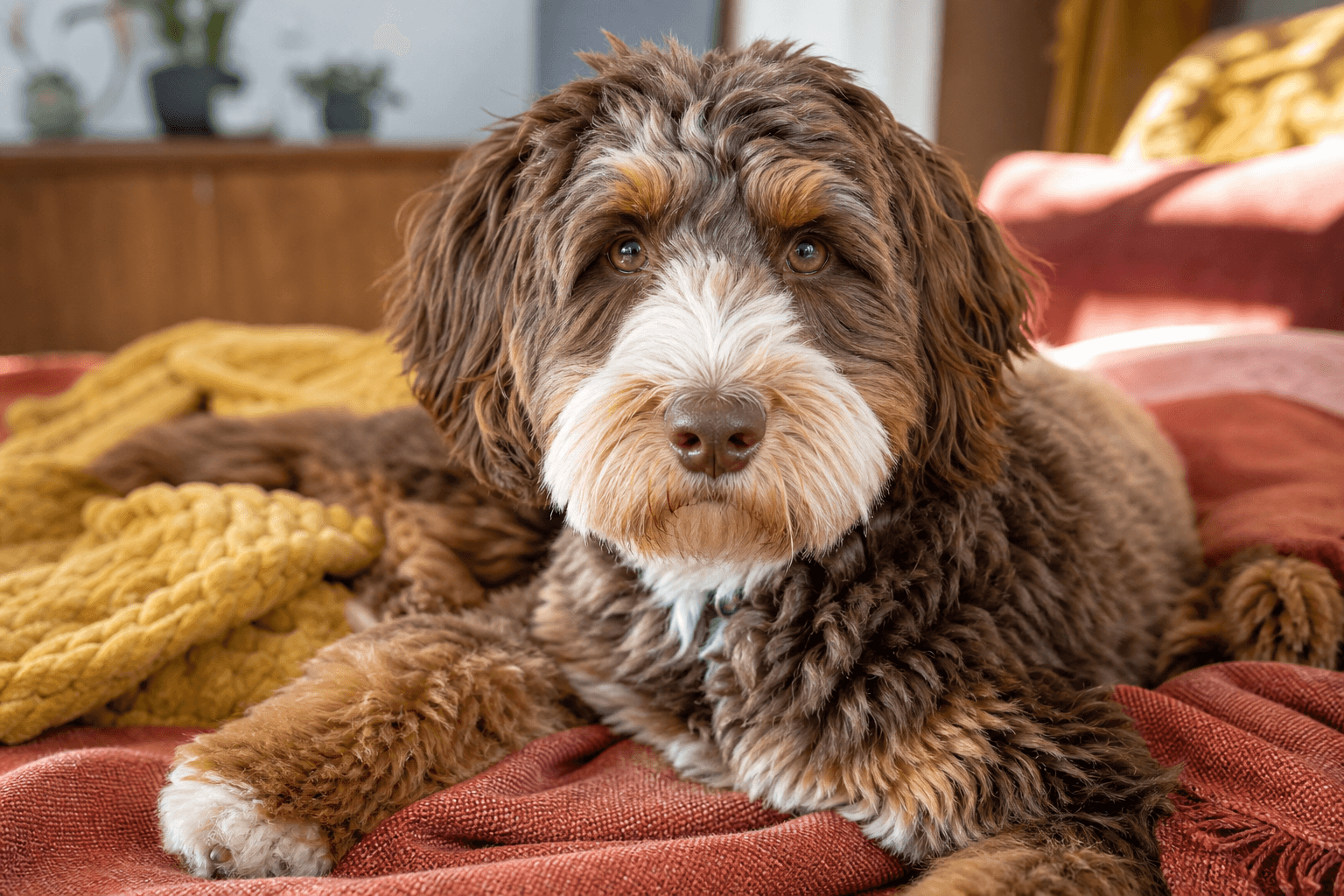
You clicked because you want the real scoop on Aussiedoodles, fast.
We have lived the zoomies, the curls, and the cuddles — here is what actually matters.
Skim the list, pick your priorities, and feel confident about your next steps.
1. They Are Bright, Busy, And Need A Job
Aussiedoodles mix two working breeds: the keen Australian Shepherd and the problem-solving Poodle.
Expect a dog that invents its own projects if you do not give them one.
Daily structure — walks, training games, and chew time — turns that brainpower into your best asset.
2. Size Ranges Widely
Depending on whether the Poodle parent is toy, mini, or standard, adults can land anywhere from roughly 15 to 70 pounds.
Ask the breeder or rescue for parental sizes and growth charts so you can plan for crates, travel, and space.
3. The Coat Is Not One-Size-Fits-All
Coats range from loose waves to tight curls, with shedding from low to moderate.
Curly coats mat fastest behind ears, armpits, and under the harness; wavy coats need less detangling but may shed more.
4. Hypoallergenic Is Not Guaranteed
Some Aussiedoodles shed very little, but no dog is truly hypoallergenic.
If allergies are a concern, meet the specific dog, handle them, and arrange a trial visit before committing.
5. Grooming Is A Real Budget Item
Plan on brushing several times a week and professional grooming every 6 to 8 weeks for most coats.
Skipped maintenance leads to painful mats and a necessary short shave-down.
Factor in nail trims and ear care; floppy, hair-lined ears can trap moisture if not dried after swims or baths.
6. Training Is Easy — And Essential
They learn fast and love to work for food and play.
Short, fun sessions build impulse control and prevent the smart-aleck behaviors that come with boredom.
Focus early on calm greetings, a rock-solid recall, and a settle cue for busy environments.
7. Velcro Dog Tendencies
Many Aussiedoodles shadow their people and crave involvement.
That is sweet until you need to leave; introduce alone time from day one to head off separation issues.
8. Herding Instincts Can Show Up
The Aussie side may show as circling, heel-nipping, or trying to group kids and pets.
Redirect to toys, teach a place cue, and give structured outlets like fetch, tug, or scent games.
Pros
Why people love them
- Highly trainable and eager to please
- Athletic adventure buddy for hikes and runs
- Often low odor and lower shedding than many breeds
- Great candidates for sports like agility or rally
Cons
What to plan around
- High exercise and enrichment needs
- Grooming costs and at-home brushing commitment
- Possible sensitivity to being left alone
- Herding behaviors without guidance
9. Exercise Needs: Think Body And Brain
Most adults thrive on 60 to 90 minutes of daily activity, broken into walks, off-leash play, and brain work.
Nosework, puzzle feeders, and trick training tire them out faster than endless fetch.
10. Health Watchlist For This Cross
Common concerns include hip dysplasia, elbow dysplasia, eye issues like progressive retinal atrophy and cataracts, epilepsy, allergies, and thyroid disease.
From the Aussie side, MDR1 drug sensitivity can occur; discuss testing with your vet before certain medications.
Responsible breeders screen hips, elbows, eyes, and relevant genetic panels; rescues can share known histories and vet findings.
11. Apartment Life Vs. Yard Life
They can do well in apartments if exercise and training needs are met, but young Aussiedoodles shine with access to safe spaces to sprint.
Use management: food-stuffed chew toys, a cozy crate or pen, and elevator-friendly potty schedules.
12. Lifespan, Costs, And The Long Game
Average lifespan runs about 11 to 15 years with good care.
Budget for quality food, routine vet care, training classes, and ongoing grooming; the predictable expenses keep surprises small and your dog comfortable.
Generally yes, with early socialization and supervision. Manage arousal to prevent herding or jumping, and teach both dog and kids calm interactions.
Brush 3 to 4 times a week for curly coats and at least weekly for wavy coats. Check friction zones daily and schedule pro grooms every 6 to 8 weeks.
They can be vocal when under-stimulated or on alert. Meet their exercise needs, train a quiet cue, and give a job like settling on a mat during triggers.
Match adult estimate: minis often fit 30 to 36 inch crates; standards may need 42 inches. Use a divider while growing so the space feels den-like.
With training and practice in safe areas, yes. Build a strong recall with long lines first; herding focus and curiosity can override weak recalls.