11 Things to Know Before Getting an Alaskan Malamute
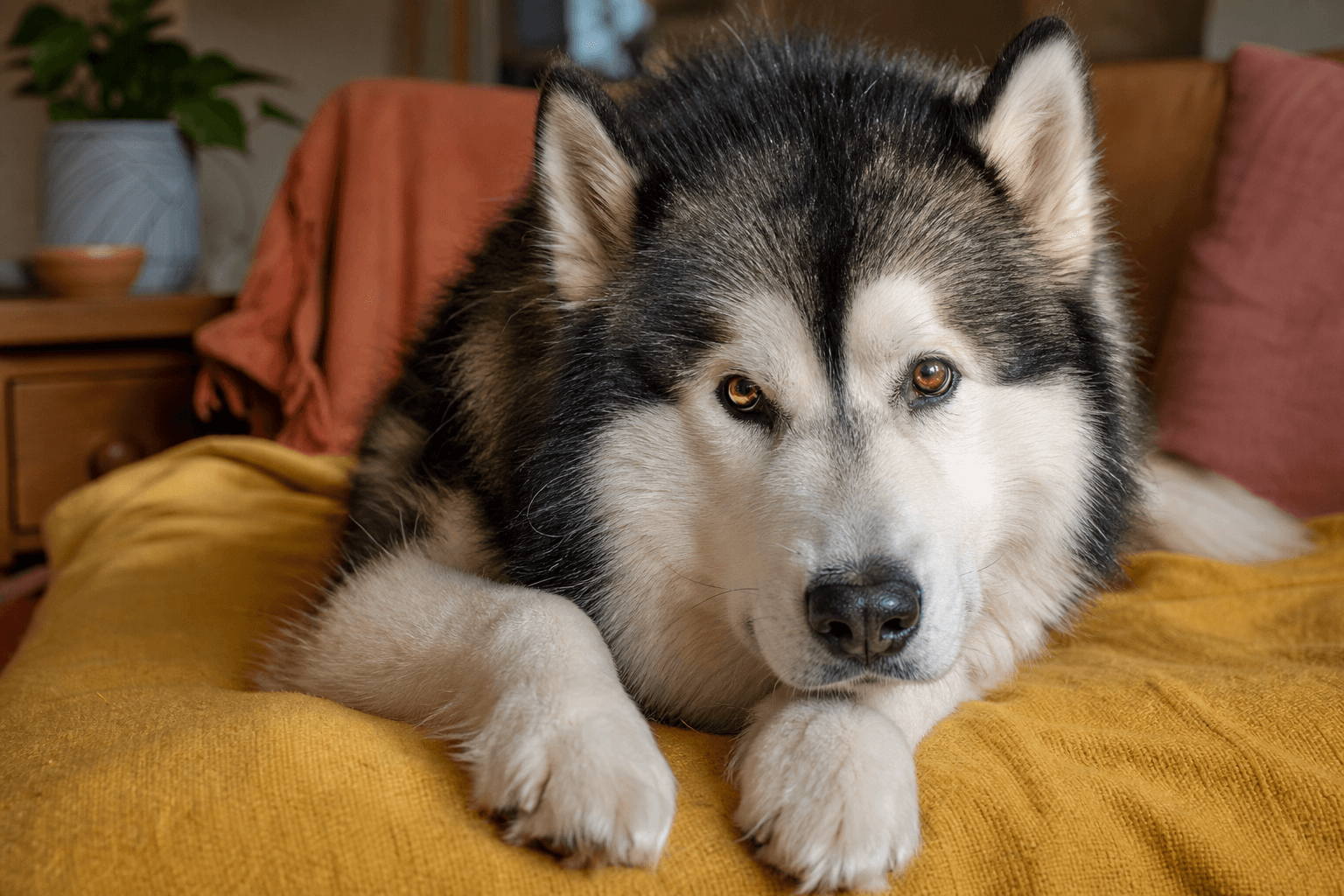
You clicked because Malamutes are stunning and you want the real story before you commit.
We live the northern-breed life and can tell you what actually matters day to day.
Here are the big truths we wish every future Mal owner knew.
1. They Are Big, Strong, and Built for Work
Malamutes are freight haulers, not racing sled dogs. Adult males commonly hit 85–100 lb; females trend a bit lighter but are still powerhouses.
That strength shows up on leash and around gates. If you’ve only handled small or medium breeds, plan for strength training — yours — and invest in solid equipment.
Harness Choice
Use a well-fitted Y-front harness that allows shoulder movement; avoid restrictive front-clip designs for long treks.
Leash Strategy
A double-handle 6 ft leash or long line for open areas keeps control without constant yanking.
If you can meet the engine, the dog thrives
2. Daily Exercise Is Non‑Negotiable
Count on 60–90 minutes of real activity most days: brisk walks, backpacking, carting, bikejoring, or weight pulls in safe setups.
Mental work matters too. Scent games, problem feeders, and obedience drills take the edge off better than endless fetch (many Mals don’t fetch for long).
3. Smart, Independent, and Not a “First-Time Easy” Dog
Malamutes think for themselves. That independence is part of their charm, but it means compliance isn’t automatic.
They’ll ask, Why should I? Give clear reasons: rewards, games, and routines they value.
They are highly trainable with meaningful rewards and short, purposeful sessions. They resist nagging, not training.
Force damages trust. Consistency, structure, and outlets for energy produce better reliability.
4. The Coat: Gorgeous, Double, and High-Maintenance Seasonally
Day to day, a weekly brush keeps them tidy. Twice a year, they blow coat — and it looks like a snowstorm hit your house.
Plan on undercoat rakes, a slicker brush, and a high-velocity dryer if you want to stay sane. Baths are occasional but drying that dense coat thoroughly matters to avoid skin issues.
5. Heat Is Their Weak Spot
These dogs are built for cold. In warm or humid climates, exercise early or late, prioritize shade, and bring water everywhere.
Watch for heat stress: heavy panting, slowing down, bright red gums. Cooling vests and kiddie pools help, but temperature dictates the plan.
6. Strong Prey Drive and Escape Artist Tendencies
Cats, squirrels, and backyard wildlife flip the on switch. Many Malamutes are not safe off leash in unfenced areas.
They’re diggers and climbers. Fences need height and a dig guard along the base. Doors and gates must latch securely, always.
- 6 ft+ fence with dig barrier installed
- Expect reliable off-leash recall
- Leash or long line near wildlife and livestock
7. Social Butterflies With People, Selective With Dogs
Most Mals are friendly with humans — affectionate, goofy, and talkative. With dogs, they can be same-sex selective or pushy.
Early, neutral socialization helps. Supervise dog parks carefully or skip them; structured playdates with compatible dogs are safer.
8. Training: Clarity, Consistency, and Creativity
Short, upbeat sessions beat marathons. Use high-value food, play, and life rewards like getting to pull your hiking buddy up the trail.
Core skills to prioritize
- Loose-leash foundationsTeach a default position and reinforce often; manage with harness and treat placement.
- Settle on matGives you an off switch for cafes, campsites, and guests.
- Drop it/Leave itCrucial for wildlife, found food, and household peace.
- Recall on a long linePractice in safe spaces; proof against distractions before any off-leash freedom.
9. Space and Containment Really Matter
Apartment life can work only with serious daily exercise and management. A yard isn’t mandatory, but secure containment is.
Crate training or a safe room protects your home (and the dog) during adolescence, when curiosity and jaw strength peak.
10. Diet, Joints, and Health Basics
Feed a high-quality, balanced diet appropriate for large, active breeds; keep them lean to protect joints.
Common considerations: hip dysplasia screening, thyroid issues, and inherited polyneuropathy testing from reputable breeders. Good breeders provide OFA/PennHIP hips, elbows, thyroid, and eyes.
Annual Cost Breakdown
| Expense | Annual Cost |
|---|---|
| Food (quality kibble/raw hybrid) | $700–$1,400 |
| Grooming tools/supplies | $120–$250 |
| Routine vet care | $250–$600 |
| Training/activities | $200–$800 |
| Insurance (optional) | $500–$900 |
| Est. Annual Total | $1,770–$3,950/yr |
11. Lifestyle Fit: Adventures Over Couch-Only Days
Malamutes shine with people who hike, snowshoe, camp, and don’t mind dirt and fur tagging along. They want to do things with you.
If you love big energy, winter mornings, and a dog that turns heads and hearts, a Malamute will fill your life with stories.
They can be, if you’re committed to training, exercise, and management. Without that structure, they’re overwhelming.
Often yes, but many are same-sex selective. Thoughtful introductions and supervision are key.
Yes, with strict heat management: early/late exercise, shade, water, and indoor cooling. Activity intensity must drop in heat.
Moderate most of the year; very heavy during seasonal coat blows. Plan for regular brushing and serious lint management.
Aim for 60–90 minutes of physical activity plus mental work daily. Working outlets like backpacking or pulling sports are ideal.