11 Things to Know Before Getting an African Grey Parrot
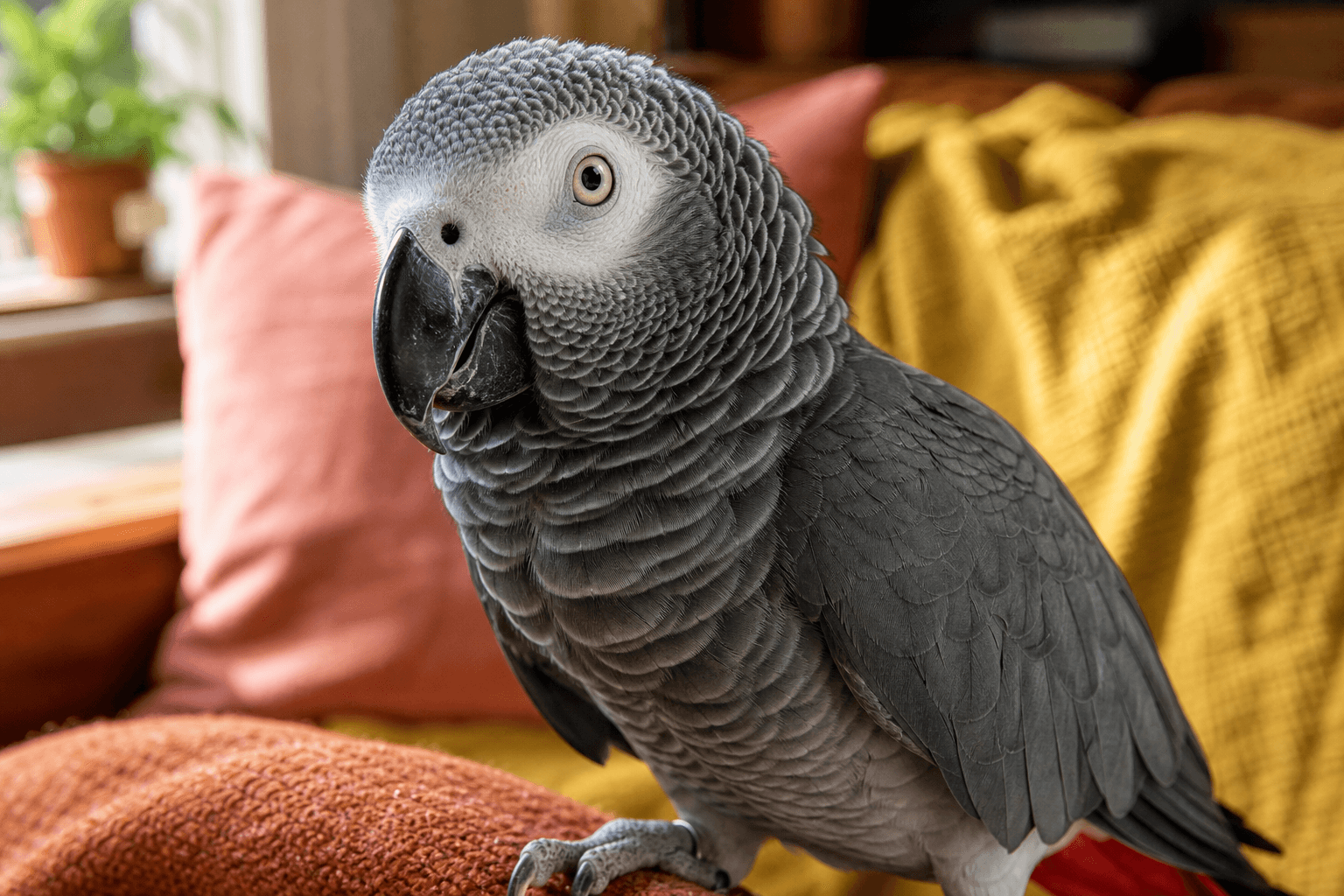
You clicked because African Greys look magical—and they are.
But life with one is not like life with a quiet cage bird. It is closer to adding a witty, feathered toddler to your home.
Here are the things we wish someone had told us before we fell in love with an African Grey.
1. They Can Live 50+ Years
Healthy African Greys routinely reach their 40s and 50s, and some go beyond with great care.
That means planning for long-term housing, travel, finances, and a guardian if you cannot care for them later.
2. Intelligence Is a Joy—and a Job
Greys are famous for problem-solving and context-based speech. They do not just mimic; they notice and learn patterns.
This is thrilling—and demanding. A bored Grey invents their own projects: dismantling hardware, unlocking latches, or rehearsing your ringtone for hours.
Brain games they love
Foraging boxes, color/shape sorting, simple target training, rotating puzzle toys.
Training pays off
Short, positive sessions build trust, give structure, and prevent nuisance behaviors.
3. They Often Bond Deeply to One Person
Many Greys pick a favorite. That bird-human imprint can look like sweet cuddles for one person and side-eye for others.
Spread the love early. Different people should feed, clean, and train so your Grey generalizes trust.
4. They Are Not Quiet
Greys are not the loudest parrots, but they are persistent communicators. Expect morning and evening call times, kitchen commentary, and startling imitations.
If you live in thin-walled housing or cherish silence, this is a serious consideration.
5. They Are Powdery, Not Oily
Greys are powder-down birds. They release a fine, talc-like dust that coats shelves, electronics, and lungs.
Plan on frequent cleaning, room HEPA filtration, and keeping them out of bedrooms if you have allergies or asthma.
6. Pellets, Produce, and Calcium Matter
A seed-only diet shortens lives. Aim for a high-quality formulated pellet as the base, with daily vegetables, leafy greens, and a little fruit.
Greys are predisposed to calcium issues. Provide a balanced diet, moderate natural sunlight or full-spectrum lighting, and avoid high-phosphorus junk foods.
7. Daily Enrichment Is Non-Negotiable
Think of enrichment as mental meals. Foraging, shredding, chewing, and training prevent anxiety and feather damage.
Rotate toys weekly. Offer safe woods, cardboard, palm, and paper. Schedule two or three short training or play windows every day.
Environment makes or breaks behavior
8. They Need Real Space and Safe Out-Time
A spacious cage is a starting point, not a solution. Look for bar spacing around 1 inch, multiple perches of varied diameters, and room to fully extend wings.
Plan for several hours of supervised out-of-cage time daily. Bird-proof wires, plants, Teflon-coated cookware fumes, and open water sources.
- HEPA in main parrot room
- Teflon/PTFE/PFOA cookware removed
- Wires hidden or protected
- Toxic plants rehomed
- Ceiling fans off during flight time
9. You Need an Avian Vet
Not every veterinarian treats birds. Line up an avian-experienced vet before adoption.
Expect annual wellness exams, baseline bloodwork, and a plan for emergencies. Catching issues like hypocalcemia or psittacosis early changes outcomes.
10. Biting and Plucking Have Causes
Greys bite to communicate: fear, over-stimulation, or resource guarding. Read body language—pinning eyes, flared tail, slicked feathers—and respect it.
Feather plucking is a symptom, not a personality trait. Rule out medical causes, then address stress, sleep, humidity, and enrichment with a behavior plan.
It means a boundary was crossed or fear peaked. Adjust the environment and training.
It often starts with discomfort or stress. Vet care and enrichment are key.
11. Ethics and Rehoming Are Part of the Picture
Choose a reputable, domestic breeder or adopt from a rescue; never support wild-caught trade.
Because Greys outlive life stages, many end up in rescues. If you commit, commit fully—and have a plan if life changes.
Plan on several hours of interaction, training, or supervised out-time, plus in-cage foraging to cover quiet periods.
They can be, if you are ready to learn fast, invest in training, and manage dust and noise. Many first-timers succeed with mentorship.
Many Greys develop extensive vocabularies and contextual speech, but it is not guaranteed. Focus on relationship, not words.
Both make wonderful companions. Personality varies by individual. DNA sexing is often required to know for sure.