11 Things to Know Before Getting a Rabbit
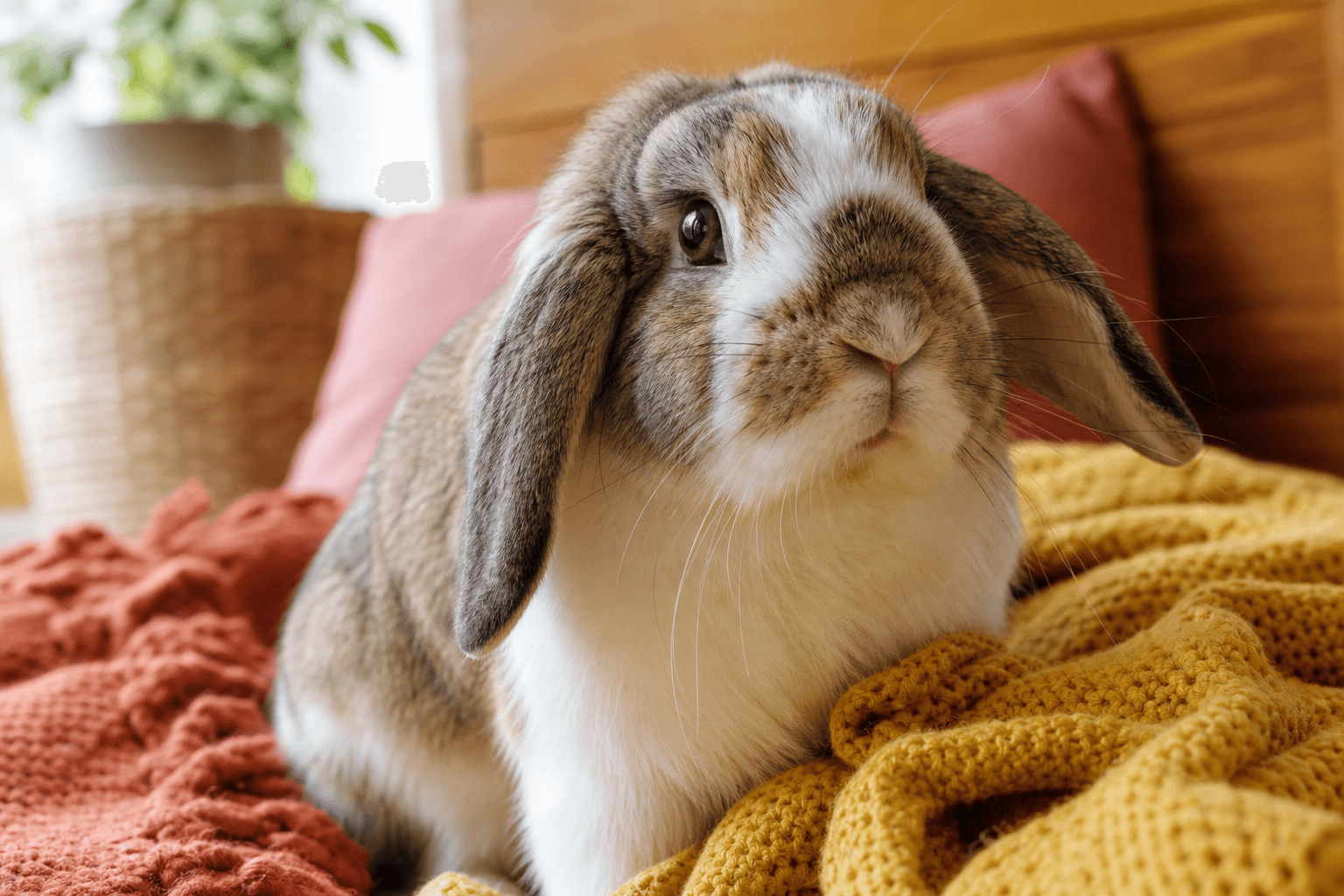
You love the idea of a sweet, quiet bunny hopping around your home.
Before you bring one home, here are the real-life details we wish we knew on day one.
These 11 points will help you decide with confidence and set your rabbit up for a happy, healthy life.
1. Rabbits Live Longer Than You Think
Healthy indoor rabbits commonly live 8–12 years, sometimes longer.
That’s a commitment on par with many dogs, and it shapes everything from budget to travel plans.
2. Cages Are Not Enough
Rabbits need space to stretch, sprint, and explore. A small pet-store cage won’t cut it.
Think x-pen or a roomy condo plus several hours of supervised free-roam daily.
3. Hay Is 80–90% of the Diet
Unlimited grass hay keeps teeth worn and guts moving. Timothy, orchard, or meadow hay are staples for adults.
Add a daily handful of leafy greens and a measured portion of quality pellets. Avoid muesli-style mixes and sugary treats.
Always available
Fresh hay and clean water, 24/7.
Greens to rotate
Romaine, cilantro, parsley, dill, spring mix (not iceberg). Introduce slowly.
4. Litter Training Is Real (and Worth It)
Most rabbits naturally pick bathroom corners. Place a box there and you’re halfway done.
Use paper-based or wood-pellet litter (not clumping clay). Put hay in or over the box — they like to munch while they go.
- Multiple boxes in free-roam areas at first
- Scented or clumping cat litter
- Daily spot-clean, weekly full refresh
5. Exotic Vets and Spay/Neuter Matter
Rabbits are considered exotic pets in veterinary care. Not every clinic treats them.
Spay/neuter reduces hormone-driven behaviors and dramatically lowers risks like uterine cancer in females.
6. They Are Social, Not Decorations
Rabbits thrive on gentle daily interaction and predictable routines.
Many do best with a bonded rabbit friend, but bonding takes time, space, and patience. If you go solo, you are the social life — plan for floor time together every day.
Set your expectations around touch and handling
7. Grooming and Shedding Happen
Short-haired breeds shed seasonally; long-haired breeds like Lionheads and Angoras need frequent brushing to prevent mats.
Rabbits can’t vomit, so swallowed fur must pass. Regular grooming plus constant hay helps prevent dangerous gut slowdowns.
8. Your Home Needs Bunny-Proofing
Chewing is normal. Baseboards, chair legs, and especially cords are targets.
Cover wires with split loom or cord protectors, block under-sofa hideouts, and offer safe chew options like untreated willow and hay toys.
Even content rabbits chew. It’s how they maintain teeth and explore. Provide safe outlets.
9. Most Rabbits Don’t Like Being Held
They’re prey animals, so being picked up can feel unsafe.
Learn low-to-the-ground handling and support the chest and hindquarters. Build trust through petting on the floor and letting them come to you.
Handling rules
- Never lift by ears or scruffIt’s painful and dangerous.
- Support the back endPrevents kicking injuries and spinal stress.
- Keep sessions shortEnd on a calm note with a treat.
10. Boredom Is a Health Risk
Under-stimulated rabbits can become destructive or stressed, which impacts appetite and gut health.
Rotate tunnels, cardboard castles, forage mats, and DIY puzzle feeders. Ten minutes of scenting and shredding often beats an hour of aimless roaming.
Easy wins
Stuff a toilet paper roll with hay and herbs; rotate cardboard boxes weekly.
Movement goals
Daily zoomie time in a safe hallway or pen keeps joints and mind happy.
11. The Ongoing Costs Add Up
Rabbits are not cheap “starter pets.”
Expect recurring expenses: hay by the bale or box, greens, pellets, litter, toy rotation, and vet care. Emergency GI stasis treatment can be significant, so an emergency fund matters.
Annual Cost Breakdown
| Expense | Annual Cost |
|---|---|
| Hay and pellets | $250–$500 |
| Fresh greens | $300–$600 |
| Litter | $120–$250 |
| Routine vet care | $150–$300 |
| Toys and replacements | $100–$200 |
| Est. Annual Total | $920–$1,850+ |
Indoors is safest in most climates. You control temperature, predators, and can observe appetite and poop — the earliest health indicators.
Grass hays like timothy, orchard, or meadow. Alfalfa is for growing youngsters or special cases under vet guidance.
Aim for several hours daily. The more consistent, the better their behavior and health.
Kids can help, but adults must own vet care, feeding, and safety. Rabbits are delicate and can injure easily when mishandled.
In some regions, vaccines for RHDV2 are recommended or required. Ask a rabbit-savvy vet about local risks.