11 Things to Know Before Getting a Munchkin Cat
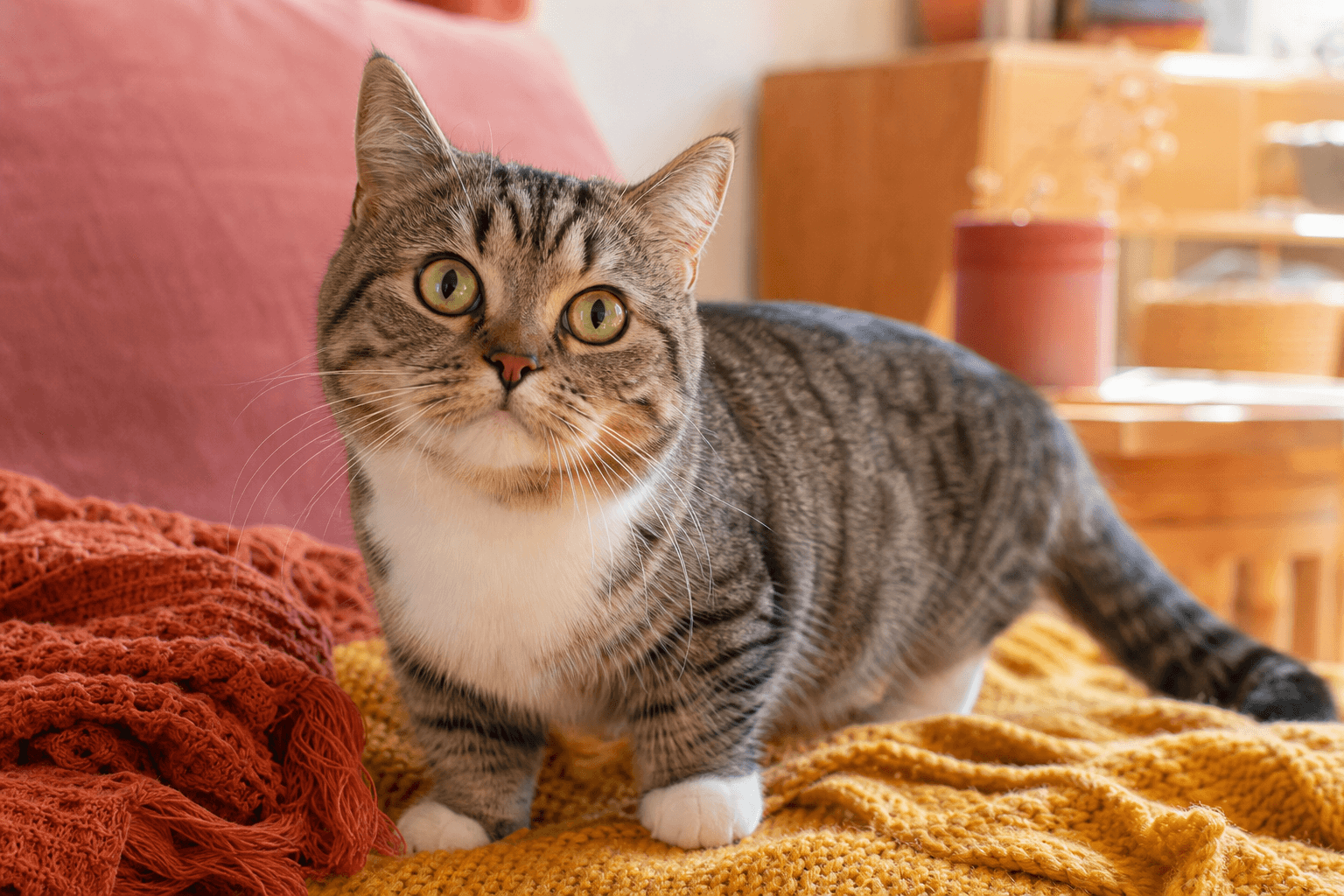
You saw those tiny legs and thought: is a Munchkin the right fit for us?
Here are the real-life pros, quirks, and care needs we wish we knew on day one.
Skim it now, save headaches later.
1. Short Legs, Normal Cat Brain
Munchkins have a naturally occurring gene that causes shorter legs, but their drives are classic cat: hunt, climb, nap, repeat.
They’re not a “toy” breed. Expect full-sized-cat energy in a compact frame.
2. Health: What’s Known and Unknown
The short legs come from a form of dwarfism (achondroplasia-like). Reputable breeders avoid mating two short-legged cats because the homozygous gene can be lethal.
Concerns you’ll hear about: spinal issues (lordosis), chest narrowing (pectus excavatum), and early arthritis. Not every Munchkin develops these, but screening and weight control are critical.
3. Jumping and Mobility
Most Munchkins still jump—just not as high. You’ll notice more running starts and creative routes.
High shelves with no ramp become no-go zones and can frustrate them. Give alternatives so they can reach favorite perches without risk.
Make the home work for their legs, not against them
4. Grooming: Coat Matters More Than Legs
Munchkins come in short or long hair. The leg length doesn’t change shedding, but longhairs mat easily in armpits and behind ears where their stride is tight.
Brush short coats weekly; long coats every 2–3 days. Keep nails trimmed—short legs mean claws can catch when scrambling onto furniture.
5. Personality: Social, Curious, Playful
They’re typically people-oriented and kittenish into adulthood. Expect shadowing your steps and supervising your keyboard.
They’re inquisitive more than daredevil—great for apartments and busy households that want a friendly cat who hangs out nearby.
Affection
Often cuddly once bonded; enjoy lap time.
Vocalization
Moderate. Chirps and trills more than yowls.
Adaptability
Handles routine changes reasonably well with safe spaces.
Independence
Okay alone in short stints—leave enrichment ready.
6. Set Up a Step-Friendly Home
Add sturdy ramps or ottomans to beds, sofas, and windowsills. Secure tall cat trees to prevent wobble and choose models with graduated platforms.
Place food, water, and beds on each level of your home. If they need to barrel upstairs to reach the only water bowl, they’ll drink less.
- Low, wide window perch with ramp
- Non-slip rugs on launch/landing zones
- Block tall shelves with no access route
- Avoid tiny, tippy cat trees
- Force jumping to “build strength”
7. Litter Boxes and Low Entries
Choose boxes with a front entry lip under ~4 inches or cut a U-shaped entrance in a high-sided bin to keep litter in while keeping access easy.
Clumping unscented litter works well; scents can deter sensitive cats more than most people expect.
8. Ethical Breeder or Rescue
If buying, look for transparency: open-door cattery visits (virtual or in-person), vet partnerships, and a contract that avoids short-to-short pairings.
Many short-legged cats land in rescue too. Ask local shelters and breed-friendly rescues; be ready to move quickly when one appears.
Red flags to walk away from
- No medical records or contractYou should see vaccination/worming history and a clear health guarantee.
- Multiple litters always availableContinuous availability often signals volume over welfare.
- Claims of “hypoallergenic”No cat is fully hypoallergenic; some individuals shed less, but it’s not a breed trait.
9. Kids, Dogs, and Other Cats
Munchkins usually do well with respectful kids and polite dogs. The key is management, not magic.
Teach children to support the chest and hind end when holding. Provide escape routes that don’t require big leaps.
They absolutely can—match energy levels and provide multiple exits during play.
They climb; they just prefer stepwise routes and stable surfaces.
10. Exercise and Enrichment
Two to three 10-minute play bursts a day beats one marathon session. Wand toys that move along the floor and low shelves scratch their chase-and-pounce itch.
Food puzzles with wider openings are ideal. Rotate toys weekly to keep novelty high.
11. Costs and Long-Term Care
Beyond adoption or breeder fees, budget for ramps, a stable tree, and routine vet care. Consider pet insurance early; preexisting orthopedic notes can limit coverage later.
Annual Cost Breakdown
| Expense | Annual Cost |
|---|---|
| Food + litter | $400–$700 |
| Routine vet + vaccines | $200–$400 |
| Preventatives & basics | $150–$300 |
| Grooming supplies | $50–$150 |
| Enrichment/ramps | $100–$300 (first year) |
| Est. Annual Total | $900–$1,850+ (typical annual, first year higher) |