11 Things to Know Before Getting a Hognose Snake
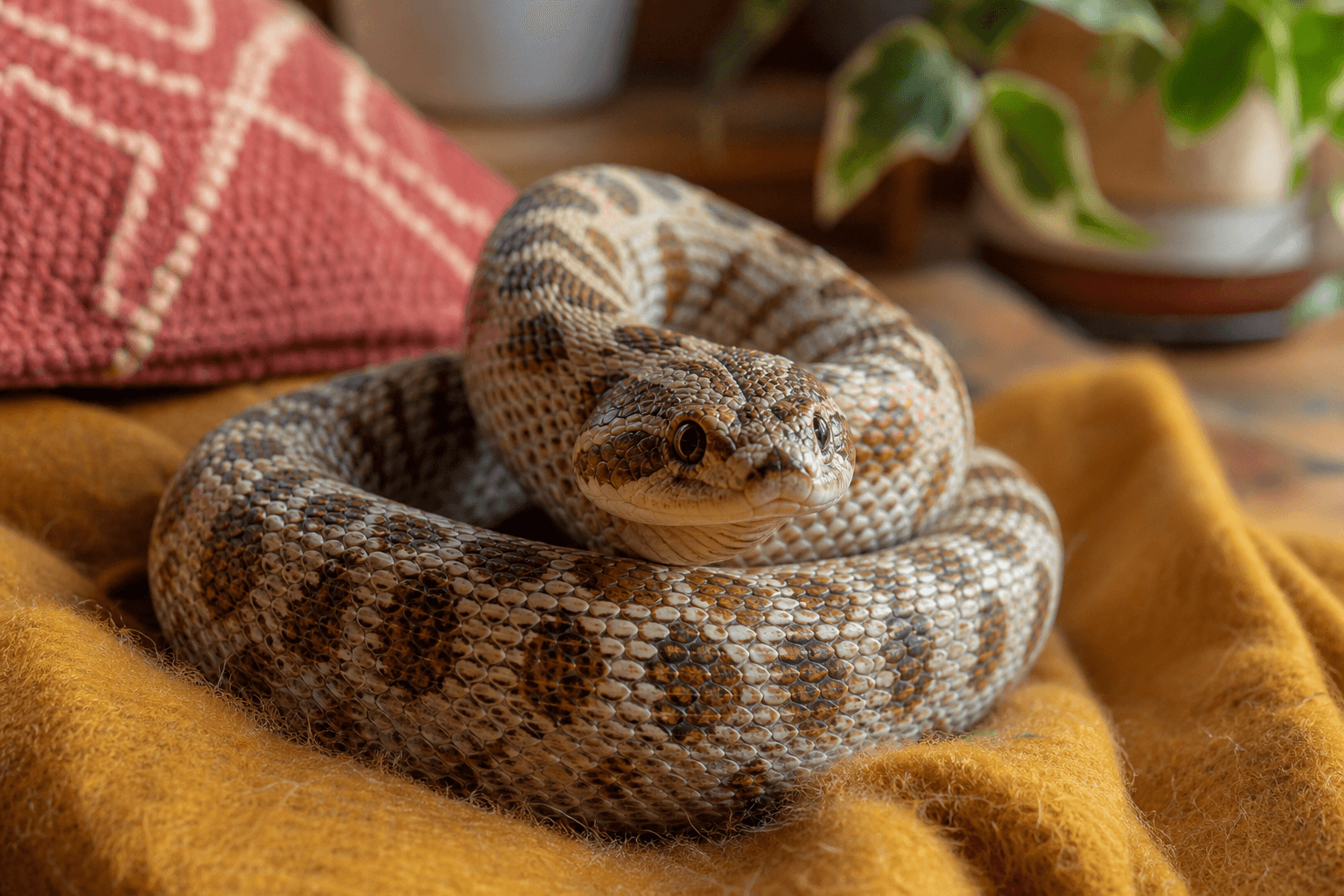
You saw that upturned snoot and fell a little in love. Same.
Hognose snakes are charming, hardy, and different — but they aren't plug-and-play pets.
Here are the real-world things we wish we knew before bringing one home, so you can start confident and avoid common pitfalls.
1. You Must Choose the Right Species
Most pet hognoses are Western hognose snakes (Heterodon nasicus) — hardy, widely captive-bred, and mouse feeders.
Eastern and Southern hognoses are native-insect and toad specialists and not common or straightforward in captivity.
Ask for captive-bred Westerns from a reputable breeder; they adapt better and carry fewer parasites.
2. Their Personality Is Playful, Not Cuddly
Hognoses are famous for dramatic bluffing — hissing, hooding, and even playing dead.
It looks intense, but it's theater. With calm, consistent care, most settle and become curious observers more than hands-on pets.
Set expectations: you'll enjoy watching them explore and burrow more than snuggling.
3. The Enclosure Needs Floor Space and Depth
Think long, not tall. A common adult setup is roughly 36 x 18 x 18 inches (about a 40-gallon breeder) for a female; males can thrive slightly smaller, but bigger is easier to dial in.
Provide at least two hides (warm and cool), visual cover, and clutter so they feel secure.
Build from the ground up: their happiness starts in the substrate.
4. Substrate Matters — They Love to Dig
Hognoses are fossorial. Offer 3-5 inches of a diggable mix: aspen shavings, paper-based bedding, or a sandy topsoil blend (no fertilizers, no sharp sand).
Avoid cedar or aromatic woods. Spot-clean regularly and refresh deep layers as needed to prevent odors.
Good options
Shredded aspen, paper pellets, soil/sand mix (screened, chemical-free)
Add enrichment
Leaf litter, cork bark tunnels, low branches, safe rocks for surface cruising
5. Heat Gradient Beats Hot Box
A steady gradient lets them self-regulate. Aim for a warm side surface of 88-92°F and a cool side around 72-78°F, with ambient mid-70s.
Use a heat mat or heat tape under one-third of the enclosure, controlled by a thermostat; verify with a probe thermometer on the hotspot.
6. Feeding Can Be Easy — Or a Puzzle
Many Western hognoses eat frozen-thawed mice readily. Start with pinkies for hatchlings and size up gradually to fuzzy/hopper as they grow.
Some are picky. Scenting (with salmon, tuna water, or reptile-safe frog scent), warming prey, or offering at dusk can help.
Feed every 5-7 days for juveniles and every 7-10 days for adults. Avoid power-feeding; obesity is a real risk.
Wild diets vary, but captive-bred Westerns do well on appropriately sized mice.
Short fasting spells are common, especially during seasonal shifts or sheds; monitor weight and behavior.
7. Handling Is Short and Gentle
Wait a week after bringing yours home, and 48 hours after any meal.
Support the whole body, avoid sudden overhead movement, and keep sessions to 5-10 minutes. If they bluff, pause — let them choose calm.
- Wash hands before and after handling
- Handle during shed or right after feeding
- Lift from the side, not from above
- Force handling through prolonged bluffing
8. Mildly Venomous: What That Actually Means
Western hognoses are rear-fanged with mild Duvernoy's secretion. For most people, a defensive bite causes minor, localized swelling or itching.
Allergies can amplify reactions. Don't encourage chewing; avoid face contact; and supervise kids.
9. Hydration and Humidity Are Simple but Important
Provide a shallow water dish large enough for them to coil in. Change water every 1-2 days.
Keep humidity 30-50%; during shed, a humid hide with moist sphagnum helps clean, complete sheds without raising whole-tank humidity too high.
10. They Live Longer Than You Think
With good care, Western hognoses commonly reach 12-18 years, and some top 20.
This is a long-term commitment: plan for routine care, feeding, and regular habitat maintenance for the next decade plus.
11. Budget for the Snake — and the Setup
The snake is the inexpensive part compared to doing the habitat right.
Annual Cost Breakdown
| Expense | Annual Cost |
|---|---|
| Captive-bred Western hognose (one-time) | $150–$500+ |
| Enclosure (36x18x18) and furnishings (one-time) | $200–$400 |
| Heat mat + thermostat (one-time) | $60–$120 |
| Substrate and decor (annual refresh) | $80–$150 |
| Food (frozen-thawed mice) | $60–$120/year |
| Vet fund (set aside) | $100–$200/year |
| Est. Annual Total | $650–$1,300 to start; $200–$400/year after |