11 Things to Know Before Getting a Guinea Pig
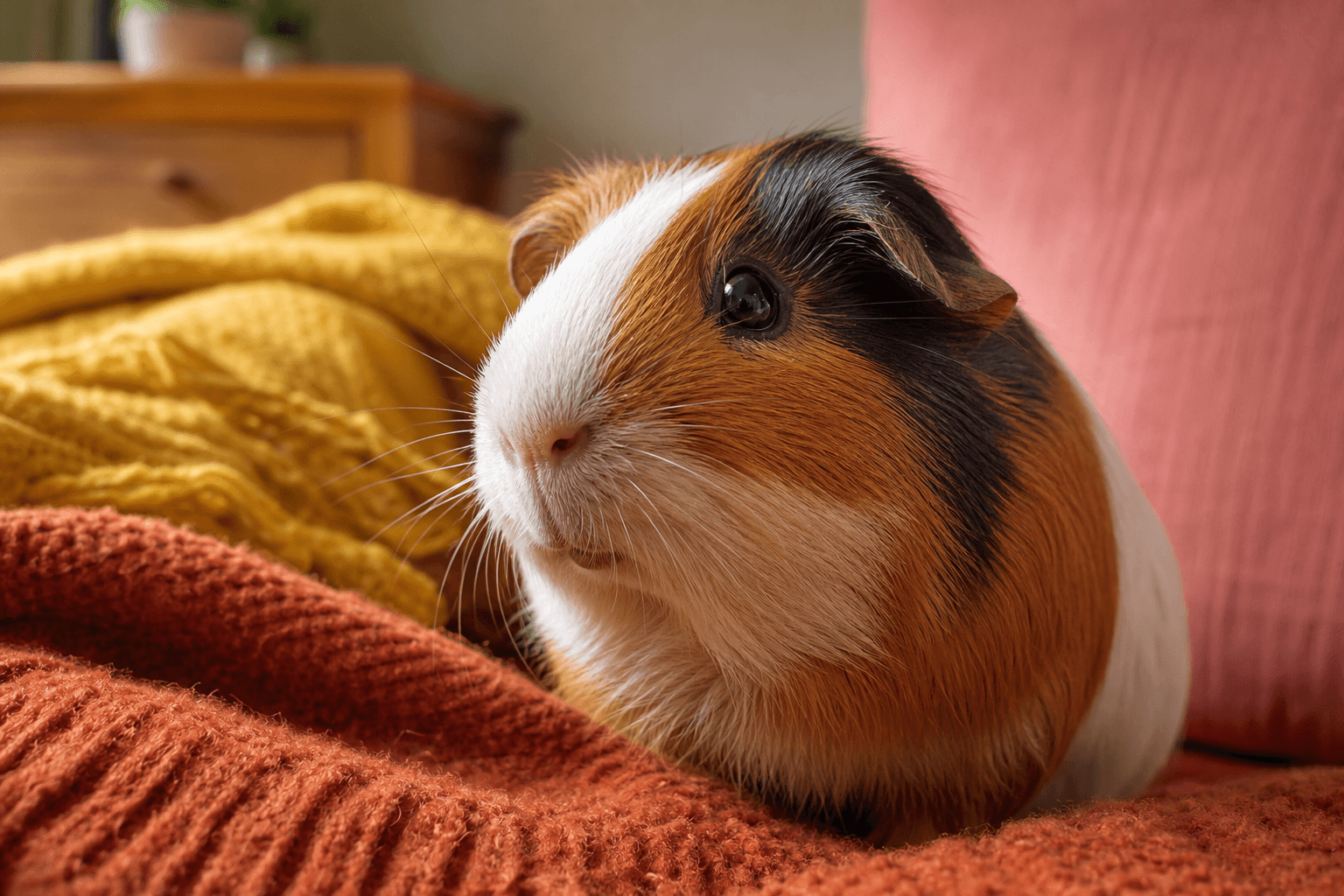
You want a sweet, chatty little companion who makes your day better the second you walk in. Same.
Before you bring home a guinea pig, here are the things that actually matter — the surprises we wish someone had told us up front.
Read this now, skip the headaches later.
1. They Need More Space Than Pet Stores Say
Most store-bought cages are too small. A comfortable minimum for two pigs is roughly 7.5 square feet of uninterrupted floor space (think a 2x3 C&C grid), with bigger always better.
Guinea pigs run in bursts, loaf in herds, and do best with wide, open layouts instead of tall, multi-level habitats.
2. One Pig Is No Pig
Guinea pigs are herd animals. Plan on adopting at least two compatible pigs so they can communicate, groom, and sleep together.
Same-sex pairs or already-bonded trios are the safest bet. Introductions should be done on neutral ground with lots of hay to reduce tension.
Set the habitat, then get the fuel right
3. Hay Is 80% of the Diet
Unlimited grass hay (Timothy, orchard, or meadow) keeps their gut moving and teeth worn down. Pellets are a supplement, not the main course.
Fresh greens daily — think romaine, bell pepper, cilantro — round it out. Avoid iceberg and limit calcium-heavy greens if prone to bladder sludge.
Daily Staples
Unlimited hay, measured fortified pellets, fresh leafy greens, clean water.
Occasional Treats
Small amounts of carrot, apple, or cucumber — tiny cubes, not handfuls.
4. Vitamin C Is Non‑Negotiable
Guinea pigs cannot make their own vitamin C. Choose a plain pellet fortified with C, offer C-rich veggies like bell pepper, and consider a vet-approved supplement if needed.
Do not add vitamin C drops to water — the potency degrades quickly and may put pigs off drinking.
5. They Are Vocal (and Adorably Loud)
Wheeks, rumbles, and chirps are normal. You will hear a dinner-time chorus and morning zoomies.
If you live in a studio or have light sleepers, place the habitat in a living area, not a bedroom.
6. Daily Time and Routine Matter
Plan on feeding, spot-cleaning, and social time every day. Predictability makes pigs confident.
Floor time in a safe pen a few times a week helps prevent boredom and weight gain.
- Morning check: hay topped up, water fresh, quick health glance (eyes, nose, posture).
- Skip handling for days at a time — they will stay tame anyway.
- Evening: pellets measured, veggies served, short hangout or lap time.
7. Bedding and Cleaning Are a Commitment
Expect spot-cleaning daily and full cleanouts weekly. Paper bedding controls odor well; fleece liners are reusable but require shaking, washing, and a good laundry routine.
A litter pan under hay racks catches most mess where they lounge and eat.
8. Handling Takes Patience
Most guinea pigs are prey-minded. They may run at first, even if they love you. Move slowly, support the chest and rump, and keep sessions short and positive.
Pellet crumbs or tiny veggie bits help them associate hands with good things.
Running is instinct. Comfort shows up in relaxed body language, popcorns, and taking food from your hand.
Personalities vary. Some enjoy lap time; others prefer exploring beside you.
9. Exotic Vets and Costs
Guinea pigs need an experienced small-mammal (exotics) vet. Budget for annual checkups and be ready to act fast for appetite drops, dental issues, or urinary troubles.
Annual Cost Breakdown
| Expense | Annual Cost |
|---|---|
| Food (hay, pellets, veggies) | $300–$500 |
| Bedding or laundry costs | $150–$300 |
| Routine supplies (nail clippers, hideys, replacements) | $50–$100 |
| Annual wellness visit (per pig) | $60–$120 |
| Emergency fund (recommended) | $300–$600+ |
| Est. Annual Total | $860–$1,620+ |
10. Expect a Longer Commitment
With good care, many guinea pigs live 5–7 years, sometimes longer. That is years of daily feeding, cleaning, and companionship — wonderful if you are ready, stressful if you are not.
Think about travel plans, pet sitters who understand pig care, and how their habitat fits your future space.
11. Child- and Home-Proofing Is Essential
Guinea pigs are delicate. Supervise kids, teach quiet voices and ground-level handling, and block off chewable cords during floor time.
Keep the habitat away from drafts, extreme heat, and direct sunlight. Stable temperatures around the mid-60s to low-70s F suit them best.
Pros
Why we love living with piggies
- Affectionate, funny personalities and gentle vibes
- Adorable vocalizations and social bonds
- Low dander; great for small homes with the right space
Cons
What can be challenging
- Daily cleaning and recurring costs add up
- They hide illness — you must monitor closely
- Not a low-maintenance kids’ pet; adults must lead care
They should live in compatible pairs or small groups. Lone pigs can become stressed and withdrawn.
Aim for at least 7.5 sq ft of open floor space (about a 2x3 C&C). Bigger is better.
Grass hays like Timothy or orchard are ideal. Alfalfa is for growing or pregnant pigs, not healthy adults.
Every 3–6 weeks depending on growth. A vet or experienced tech can show you safely.
They can be wonderful family pets, but adults must handle feeding, cleaning, vet care, and supervision.