11 Things to Know Before Getting a Corn Snake
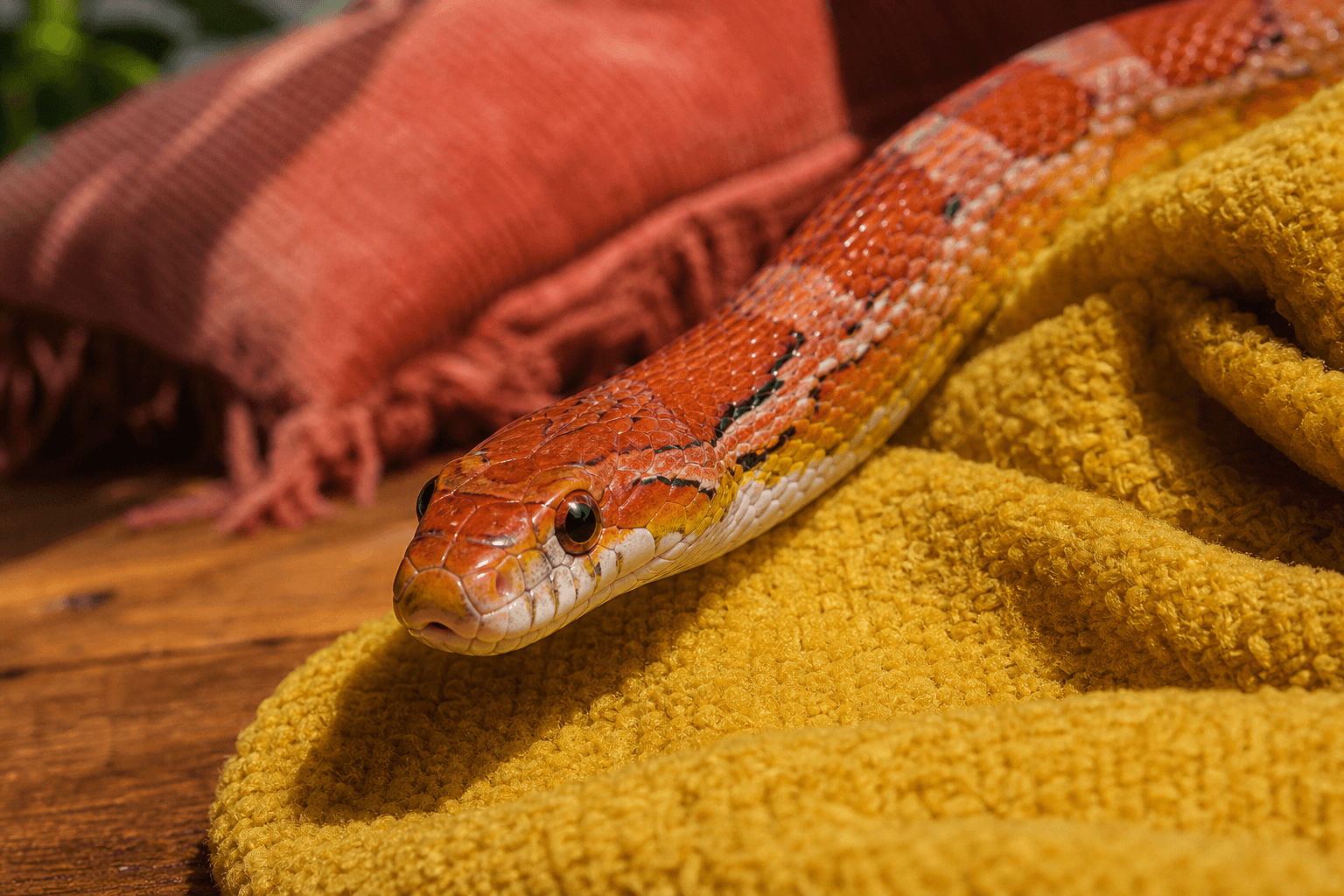
You clicked because you want the real scoop before you bring home a corn snake.
Good news: they are one of the best beginner snakes — as long as you set them up right from day one.
Here are the things that actually matter, fast, from our experience and what long-time keepers wish they had known.
Let’s make your first month with a corn snake smooth, safe, and stress-free
1. Adult Size and Lifespan
Most corn snakes reach 3.5–5 feet as adults and stay slender, which makes them easy to house and handle.
With proper care, you’re committing to 15–20+ years. That’s a long-term pet, not a phase.
2. Temperament and Handling
Well-started corns are typically calm and curious. Babies are wigglier and may dart; that settles with gentle, consistent handling.
Wait 48 hours after feeding before handling to avoid regurgitation. Support the whole body and let them flow through your hands — no grabbing.
3. Enclosure Size That Actually Works
For juveniles, a secure 20-gallon long works. For adults, at least a 40-gallon breeder (36 x 18 x 16 in) or a 120 x 60 x 60 cm equivalent gives room to explore.
Front-opening enclosures reduce stress and escapes. Screen-topped tanks work if you can lock the lid and maintain heat/humidity.
Minimum (adult)
36 x 18 x 16 in, with locks and two hides
Better
48 x 18 x 18 in with climbing branches and a larger thermal gradient
4. Heat, Light, and Night Drops
Create a thermal gradient: warm side surface 86–90 F, cool side 72–76 F. Ambient can sit mid-70s; a nighttime dip to high 60s/low 70s is fine for healthy adults.
Use a thermostat on any heat mat or heat panel — this is non-negotiable. Overheating causes burns fast.
5. Substrate and Humidity
Aspen shavings, shredded aspen, or paper-based bedding are popular. Avoid aromatic softwoods.
Target humidity around 40–60%. Provide a humid hide (damp sphagnum moss) especially during shed.
6. Hides and Decor
At minimum, offer two tight hides — one on the warm side, one on the cool. They should feel snug, not cavernous.
Branches, cork tubes, and fake plants increase security and enrichment. Corns will climb at night if you give them structure.
7. Feeding Schedule and Prey
Feed appropriately sized frozen-thawed rodents — about the same girth as the snake’s widest point.
Hatchlings: every 5–7 days. Juveniles: every 7–10 days. Adults: every 10–14 days. Warm prey to mammal body temp and use tongs.
8. Shedding Red Flags
A good shed comes off in one piece with clear eye caps. Stuck shed around the eyes or tail tip needs prompt attention.
Add a humid hide, check your thermostat, and consider a brief, lukewarm soak if needed. Never pick at retained eye caps; seek an experienced keeper or vet.
9. Cleaning Routine
Spot clean waste as you see it. Replace water every 1–2 days; they will drink more than you think and sometimes soak.
Do a deeper clean monthly: remove decor, replace substrate, and disinfect with a reptile-safe cleaner. Rinse and dry fully before resetting.
10. Realistic Costs
The snake is often the cheapest part. Budget for enclosure, heat, thermostat, hides, decor, substrate, and ongoing feeders.
Annual Cost Breakdown
| Expense | Annual Cost |
|---|---|
| Initial setup (40-gal, heat, thermostat, decor) | $250–$500 |
| Electricity (heat/lighting) | $40–$120/yr |
| Food (frozen rodents) | $60–$150/yr |
| Substrate and supplies | $50–$120/yr |
| Vet contingency | $100–$300/yr |
| Est. Annual Total | $500–$1,000 first year; $250–$600/yr after |
11. Safety, Escapes, and Kids
Corn snakes are nonvenomous and typically gentle, but they are expert escape artists. Use locking lids and check cable gaps.
With kids, make it a seated activity with two hands under the snake, and an adult supervising. Wash hands after handling any reptile.
Yes. They tolerate a range of conditions, are generally docile, and stay a manageable size — as long as you provide correct heat, hides, and a secure enclosure.
Rarely, and usually due to mistaken identity (feeding response) or sudden movements. Use tongs at feeding and approach calmly from the side.
A clean enclosure does not smell. Odor comes from soiled substrate or old rodent scent; spot clean promptly and refresh bedding regularly.
Best practice is to house singly. Co-housing complicates feeding, increases stress, and risks injury. Only pair under expert guidance for breeding.
Provide a gradient: warm side surface 86–90 F, cool side 72–76 F, with a mild night drop. Always regulate heat sources with a thermostat.