11 Things to Know Before Getting a Canary
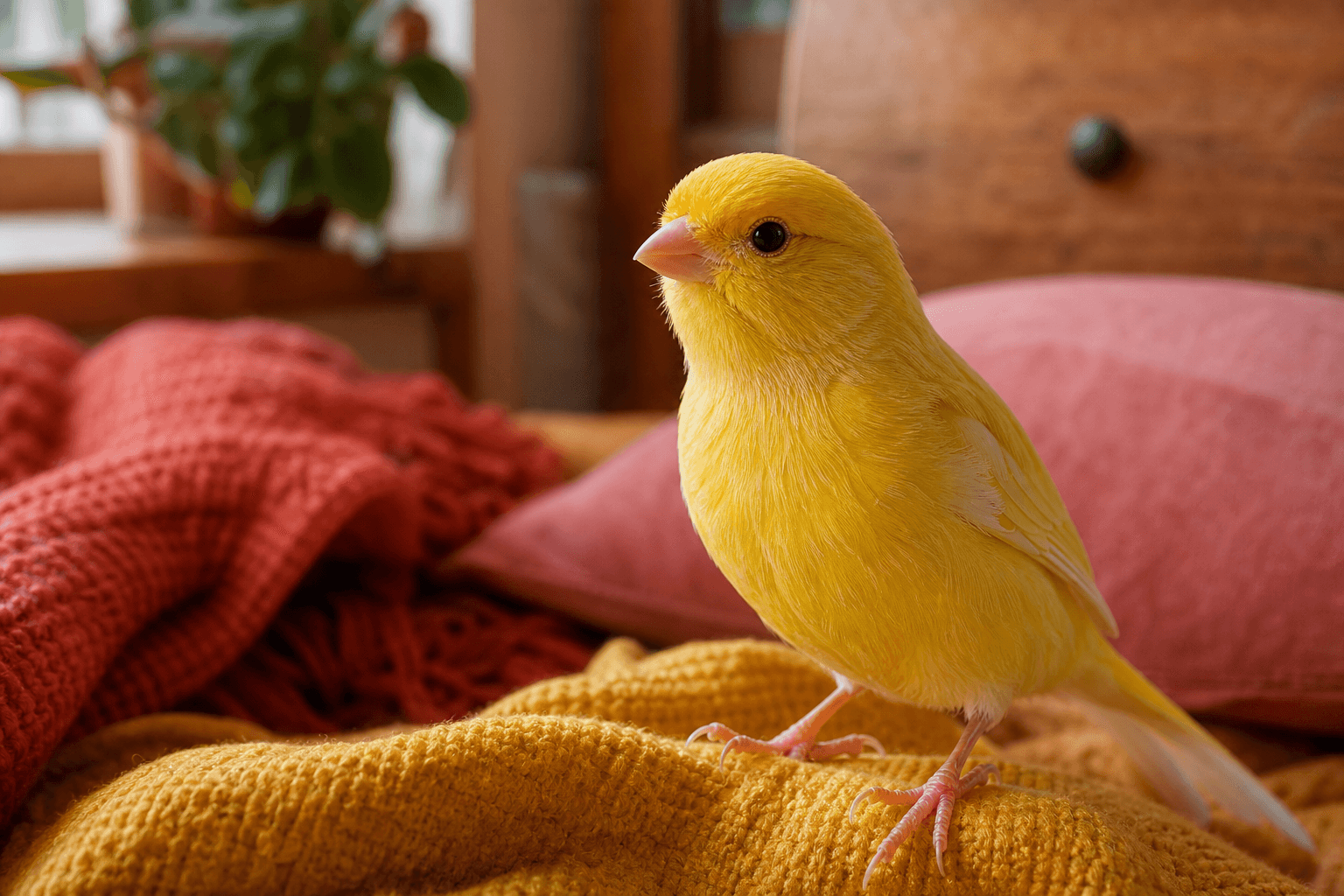
You love the idea of a bright song greeting you each morning.
Canaries are small, stunning, and famously musical — but they have real needs.
Here are the things we wish we knew before bringing one home, so you can say yes with confidence.
1. Cage Size Is Bigger Than You Think
Canaries are flyers, not climbers. Long, horizontal space beats tall, narrow towers.
Think minimum 24 inches wide for a single bird, with room to do short flights without hitting perches every wingbeat.
Bar spacing should be about half an inch to prevent escapes and injuries.
2. Males Sing, Females Usually Do Not
If you want that classic canary song, choose a healthy adult male.
Females may chirp softly but typically don’t deliver the long, complex songs. Young males may be quiet until they mature.
3. They Are Not Silent Pets
Even a single male can be vocal, especially at dawn. It’s beautiful — and it carries.
Place the cage away from bedrooms if you’re sensitive to early-morning sound, and know that covering at night helps but won’t create silence.
Food and water are daily — but not as simple as a seed cup
4. Seed Alone Is Not a Complete Diet
A seed-only diet leads to vitamin A deficiency and other issues. Aim for a high-quality canary pellet base plus a small portion of clean seed for enrichment.
Offer fresh greens like chopped kale, romaine, or dandelion a few times a week, and bits of carrot or apple (no seeds) as treats.
Provide a calcium source such as cuttlebone and fresh water daily; skip avocado, chocolate, alcohol, and anything salty.
Daily staples
Pellets (primary), small seed mix (secondary), fresh water
Fresh extras
Dark leafy greens, grated carrot, occasional fruit bits
5. They Prefer Company at a Distance
Canaries are generally content solo with human presence nearby. Two males in one cage can fight; pairs may breed unexpectedly in spring.
Side-by-side cages let them see and hear each other without territorial stress.
6. Not a Hands-On Bird
Many canaries dislike handling. They bond to the environment more than to cuddles.
If you want a shoulder-sitting companion, consider a different species; with canaries, your role is to provide safe space, routine, and enrichment.
7. Air Quality Can Make or Break Their Health
Bird lungs are sensitive. Non-stick cookware fumes, scented candles, aerosols, and smoke can be dangerous.
Keep the cage away from kitchens; ventilate well. A simple HEPA purifier near the room (not blowing on the cage) helps.
8. Light, Seasons, and Molting Matter
Canaries cue off day length. Around late summer, they molt and often sing less.
Provide 10–12 hours of darkness for rest. Natural daylight is best, but avoid direct midday sun through glass that can overheat them.
Covers dim light and reduce drafts, but ambient household light and noise still influence wake-sleep cycles.
Seasonal molts are normal; appetite and alertness should remain good. Heavy lethargy or bald patches warrant a vet visit.
9. Vet Care and Early Warning Signs
Plan for an initial exam with an avian vet and yearly checkups.
Watch for quiet tail-bobbing, fluffed feathers all day, labored breathing, changes in droppings, or loss of song in a male outside of molt — these are red flags.
Annual Cost Breakdown
| Expense | Annual Cost |
|---|---|
| Initial cage and setup | $150–$300 |
| Food and supplements | $120–$200/yr |
| Toys/perches/sandpapers (skip sandpaper) | $40–$80/yr |
| Avian vet (annual + buffer) | $120–$300/yr |
| Est. Annual Total | $430–$880 first year, then ~$300–$600/yr |
10. The Right Setup Is Simple but Specific
Use a rectangular cage with natural wood perches of varied diameters to protect feet; avoid sandpaper covers and smooth plastic dowels as the only option.
Provide two food dishes, a separate water dish, a shallow bath several times a week, and a couple of lightweight toys or fresh safe branches for chewing.
- Horizontal flight room (24in+ wide)
- Bar spacing about 0.5in
- Natural perches, no sandpaper
- Bath dish 2–3x/week
- No aerosols or Teflon fumes nearby
11. Your Routine Becomes Their Rhythm
Feed, lights, and quiet hours at consistent times keep a canary confident and singing.
We like a morning uncover and greet, fresh food and water check, a midday room fly (in a bird-safe room, optional), evening wind-down, and lights out at the same time nightly.
Pros
Why you will love them
- Gorgeous song and color in a small footprint
- Low handling needs; enjoy from a respectful distance
- Simple, tidy setup once dialed in
Cons
What can surprise you
- Not a cuddle bird; limited hands-on interaction
- Vocal at dawn — not ideal for light sleepers
- Sensitive to fumes and sudden environmental changes
With good care, 8–12 years is common; some reach the mid-teens.
It is optional but enriching. A safe, closed room with covered mirrors and windows lets them stretch their wings.
Usually not in the same cage due to territorial fights. Side-by-side housing is safer.
Change papers and water daily; wipe perches weekly; do a deeper clean monthly with bird-safe soap and thorough rinsing.
They do well around typical indoor temps (65–75°F). Avoid drafts and sudden swings.