11 Things to Know Before Getting a Bombay Cat
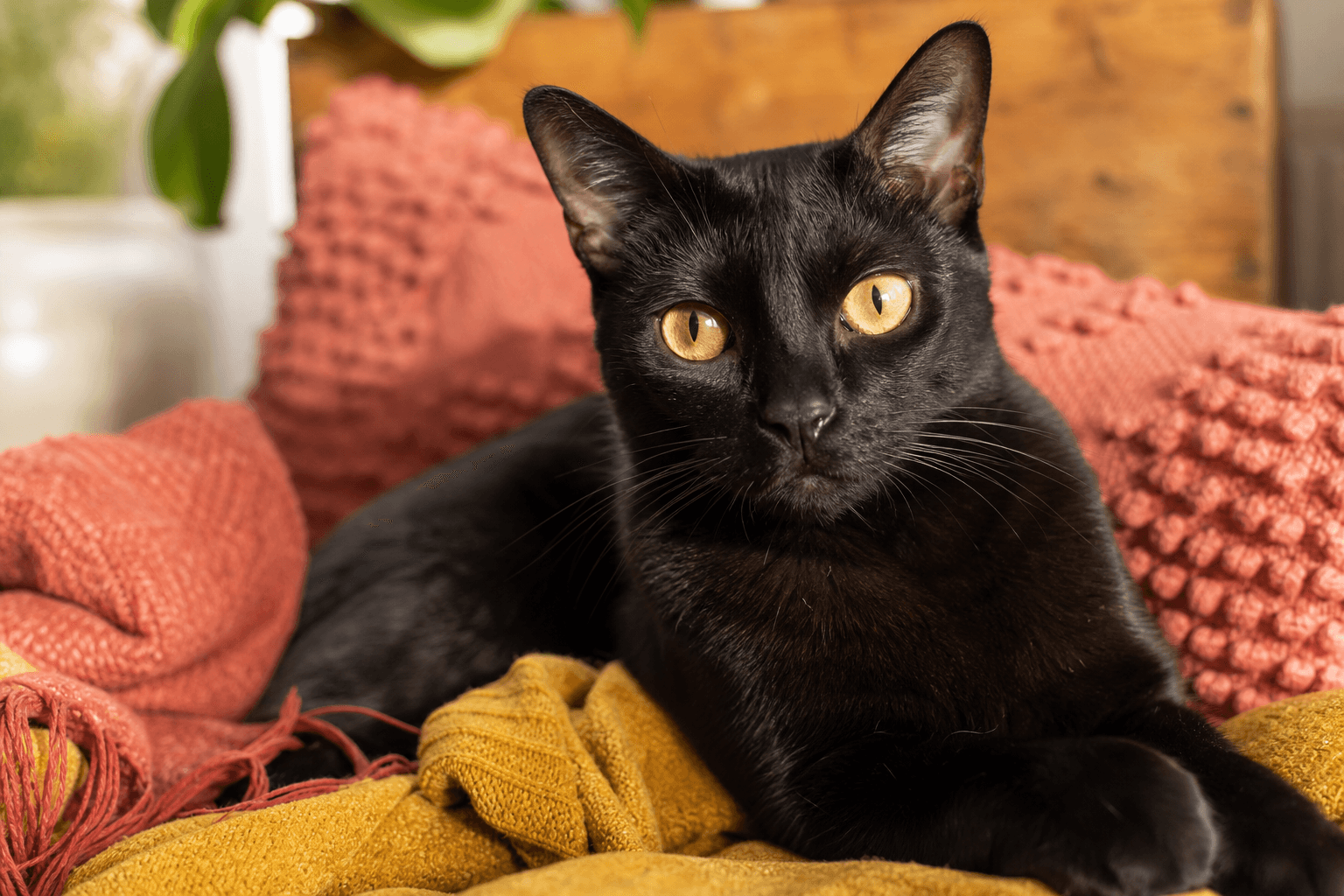
You clicked because that sleek mini-panther stole your heart.
Here are the real-life traits and needs we wish we knew sooner.
Skim the list, pick what matters, and decide if a Bombay fits your home today.
1. The Look Is Not Just Black
Bombays are known for their jet-black coat, but what makes them striking is the contrast: deep copper to gold eyes, a rounded head, and a short, close-lying coat that gleams.
Even their whiskers and nose leather are typically black, which amps up the panther vibe.
Kittens can take months for eye color to deepen; don’t panic if baby photos show murkier hues.
Living with one feels different than admiring photos.
2. Velcro-Cat Personality
Bombays tend to bond hard with their people.
Expect a cat who shadows you from room to room and settles right where you’re working.
If you want an aloof, low-interaction cat, this likely isn’t your match.
3. Chatty, But Not Siamese-Loud
They’ll talk—trills, chirps, soft meows—especially around mealtimes and doorways.
Most Bombays aren’t opera singers, but they will hold a conversation with you and expect replies.
4. Play Energy in Bursts
Think sprinter, not marathoner.
Two or three short play sessions a day with a wand toy or fetch satisfy most Bombays.
They’re intelligent and can learn fetch, sit, and even harness walking with patient, treat-based training.
Great games
Feather wands, laser with a soft toy finish, treat puzzles, hallway fetch.
Training wins
Target stick, sit/stay for meals, step onto scale, carrier = treats.
5. They Run Warm
That sleek coat doesn’t trap much air, so Bombays often seek heat.
You’ll catch them sunbathing, burrowing in blankets, or draping over your laptop fan.
6. Not Ideal for Long Alone Time
Left solo for long workdays without stimulation, a Bombay can become vocal or mischievous.
If your schedule is tight, plan for a second pet or a solid enrichment routine.
- Two 10-minute play blocks daily
- Food puzzles when you leave
- Rotate toys weekly to prevent boredom
- Ignore attention-seeking meows at 3 a.m.
7. Good With Kids and Other Pets—With Guidance
Most Bombays are social and adaptable, but confidence varies by individual.
Do slow introductions: scent swapping, short supervised visits, and high perches to retreat.
With dogs, teach calm greetings and give the cat vertical routes across rooms.
8. Low-Grooming, High-Shine
The coat is low maintenance—weekly rub with a soft glove or chamois keeps the gloss.
Bombays can be light to moderate shedders; short brushing sessions reduce hair on clothes.
Keep nails trimmed, ears checked, and teeth brushed; oral care matters more than the coat here.
9. Health Watchouts
Bombays are generally healthy, but as a Burmese-derived breed, some lines can carry issues like craniofacial defects (screened in breeding programs), potential predisposition to hypertrophic cardiomyopathy (HCM), and dental disease.
Ask breeders about HCM screening and dental history in the line, and schedule regular vet checks.
10. Apartment-Friendly, Window-Obsessed
They thrive in small spaces if you go vertical.
Add a tall tree, window perches, and one or two strategic scratching posts—cardboard for horizontal scratchers, sisal for vertical stretchers.
Secure screens; Bombays are curious and surprisingly fast.
Money and sourcing are where many new owners get tripped up.
11. Real Costs and Sourcing Smart
From reputable breeders, Bombays typically cost more than average domestic shorthairs because health screening and limited litters add up.
Factor in annual essentials: quality food, litter, preventive vet care, toys, and insurance if you want budget predictability.
Annual Cost Breakdown
| Expense | Annual Cost |
|---|---|
| Quality cat food | $300–$600 |
| Litter | $150–$300 |
| Wellness exam + vaccines | $150–$300 |
| Parasite prevention | $120–$240 |
| Toys/enrichment & scratchers | $75–$200 |
| Pet insurance (optional) | $300–$600 |
| Est. Annual Total | $1,095–$2,240 / year (estimate) |
Bombay is a recognized breed with specific type: rounded features, close-lying coat, and copper-to-gold eyes.
Most are moderate-energy sprinters who settle after short play sessions if their brains are engaged.
Minimal, yes—but weekly brushing, nail trims, and dental care are still essential.
No cat is truly hypoallergenic. Bombays shed less than some longhairs, but sensitive people may still react to saliva and dander proteins.
Many enjoy laps and gentle carrying, but it varies. Build trust and let them choose; force-free handling keeps cuddles welcome.
Indoor-only is safest for this social, curious breed. If you want outdoor time, consider a secure catio or harness walks.
Typically 6–11 pounds, with a muscular, medium build. Females trend smaller than males.
Commonly into the mid to late teens with good preventive care and a healthy weight.