11 Things to Know Before Getting a Betta Fish
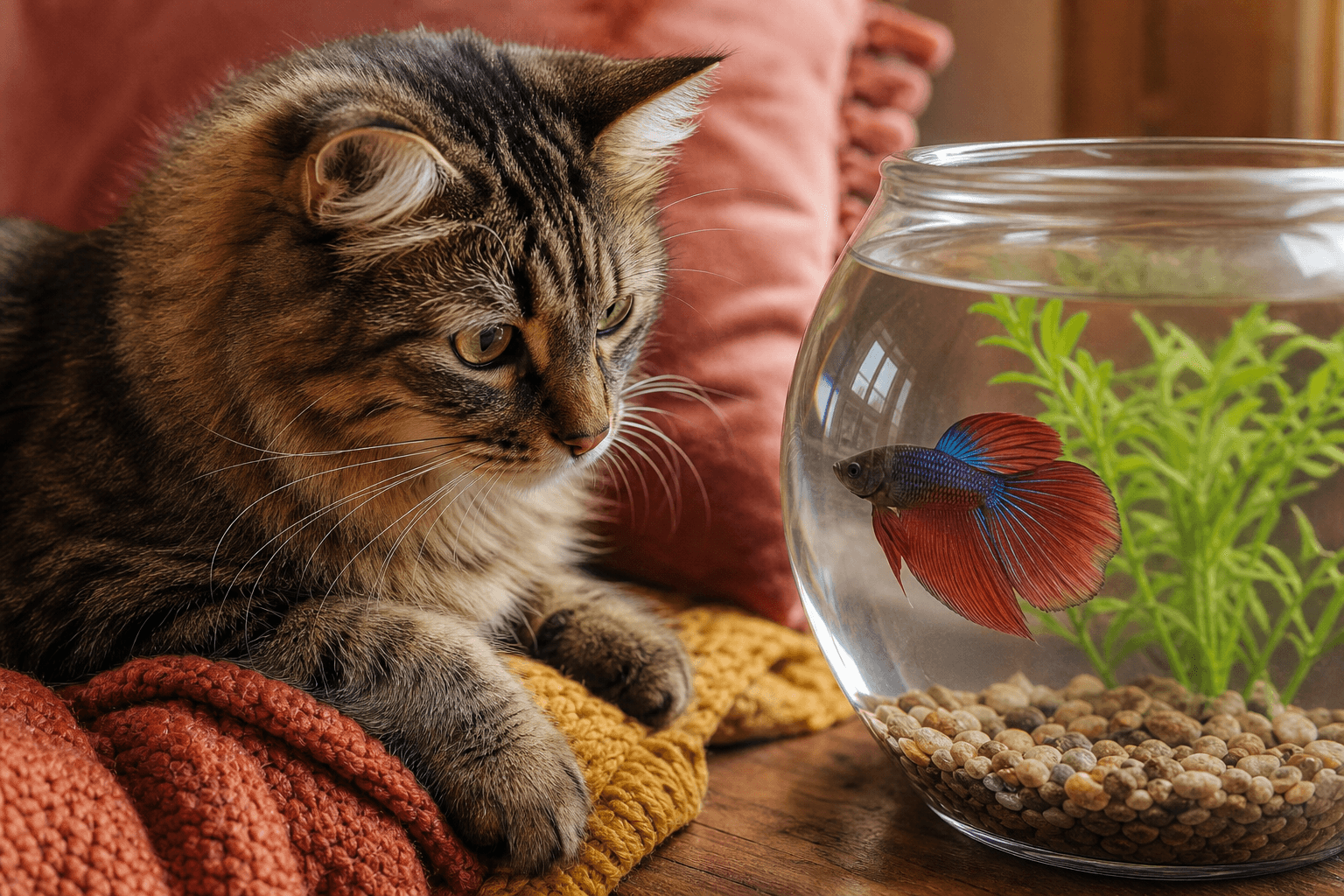
You fell for those flowing fins and electric colors. We get it — bettas are mesmerizing.
But they are not low-effort desk ornaments. A little prep makes a huge difference.
Here are the exact things we wish every new betta owner knew before bringing one home.
1. A Real Tank, Not a Bowl
Bettas need space and warm, filtered water — not vases or tiny cubes.
Plan for at least 5 gallons for a single male betta. More water means steadier parameters and easier care.
Bowls make temperature swing, trap waste, and offer nowhere to swim. A rectangular tank with a lid (bettas can jump) is the way to go.
2. You Must Cycle the Tank
New tanks are sterile; fish waste turns toxic fast. Cycling grows beneficial bacteria that convert ammonia to nitrite, then nitrate.
Start the tank at least 2-4 weeks before the fish. Use a liquid test kit and an ammonia source (fish food or bottled ammonia) to build the biofilter.
3. Gentle Filtration Matters
Bettas are labyrinth fish that like calm water. Strong currents stress their fins and breathing.
Pick a filter you can baffle or adjust. Sponge filters are perfect: reliable, gentle flow, and great biofiltration.
Warm water is not optional for bettas.
4. Bettas Need Heat and Stability
Bettas are tropical. Target 78-80 F and avoid swings more than 1-2 degrees in a day.
Use a quality adjustable heater sized for your tank and a separate thermometer you can glance at daily.
5. Water Quality Is the Whole Game
Condition tap water to remove chlorine and chloramine every time you do a change.
Keep pH stable in the 6.5-7.5 range; stability beats chasing a perfect number. Soft to moderate hardness is fine for most pet-store bettas.
Weekly water change
20-30% for a cycled 5-10 gallon tank.
Vacuum the substrate
Remove trapped waste to control ammonia and nitrates.
Test regularly
Liquid test kit for ammonia, nitrite, nitrate, and pH.
Dechlorinate always
Use a conditioner that handles chloramine.
6. Tankmates Are Tricky
Male bettas are solitary. They often nip long fins and can be nipped in return.
If you want companions, think snails or shrimp (with plenty of hiding). Community tanks can work in larger, calm setups with short-finned, non-nippy species — but be ready with a backup plan.
7. Decor Can Hurt or Help
Those fins snag easily. Use soft, betta-safe decor.
Silk or live plants, smooth rocks, and caves with no sharp edges are ideal. The rule of thumb: if pantyhose snag on it, your betta will too.
Live plants do more than look pretty
Anubias, Java fern, and floating plants like Salvinia create cover, diffuse flow, and help with nitrates. Bettas love lounging on broad leaves near the surface.
8. Feeding: Small, Varied, and Smart
Bettas are carnivores. A quality betta pellet should be the staple, sized to the fish.
Feed 2-4 pellets once or twice a day, adjusting for body size, and add treats like frozen daphnia or brine shrimp a few times a week.
9. They Have Personalities
Some are bold show-offs; others are mellow nest-builders. Expect exploring, flaring at mirrors (short sessions only), and resting on leaves.
Use enrichment: rearrange decor occasionally, offer a ping-pong ball to nudge, and try a feeding ring to make mealtime fun.
10. Maintenance Is Simple but Non-Negotiable
Set reminders and you will coast.
- Test water weekly (ammonia, nitrite, nitrate, pH)
- Change 20-30% water weekly and dechlorinate
- Gently rinse sponge filter media in old tank water monthly
- Wipe algae from glass and check heater/thermometer
- Do not overclean or replace all media at once (you will crash the cycle)
11. Choose the Right Fish and Seller
Healthy bettas have clear eyes, full fins, smooth swimming, and respond to food. Avoid clamped fins, white fuzz, gasping, or lethargy.
Ask how the fish were housed and heated. Reputable stores or breeders that keep bettas in filtered, warmed systems are worth the trip.
No. Bowls are unstable, unheated, and unfiltered. A 5-gallon heated, filtered tank is the humane minimum for a single betta.
Yes. A gentle filter provides crucial biofiltration and oxygenation. Water changes help, but they do not replace a stable biofilter.
Aim for 78-80 F with an adjustable heater and consistent readings from a thermometer.
With proper care, 3-5 years is typical, and longer is possible. Many store bettas are already several months old when purchased.
Check temperature first, then water quality. Try smaller pellets, soak dry food briefly, and offer a frozen option. Persistent refusal can indicate illness.