Consider These 11 Factors Before Adopting a Bohemian Shepherd Puppy
Thinking about bringing home a Bohemian Shepherd? You're not just falling for a pretty face — you're eyeing one of the most loyal, brainy, high-energy dogs out there.
But here's the truth most people skip: this breed isn't for everyone.
We've spent real time around Bohemian Shepherds, and below you'll find the honest, no-fluff checklist of what to weigh before you commit. Get through it, and you'll know exactly whether this dog fits your life — or whether you'd both be miserable.
Let's break it down.
1. They're striking — and not just in looks
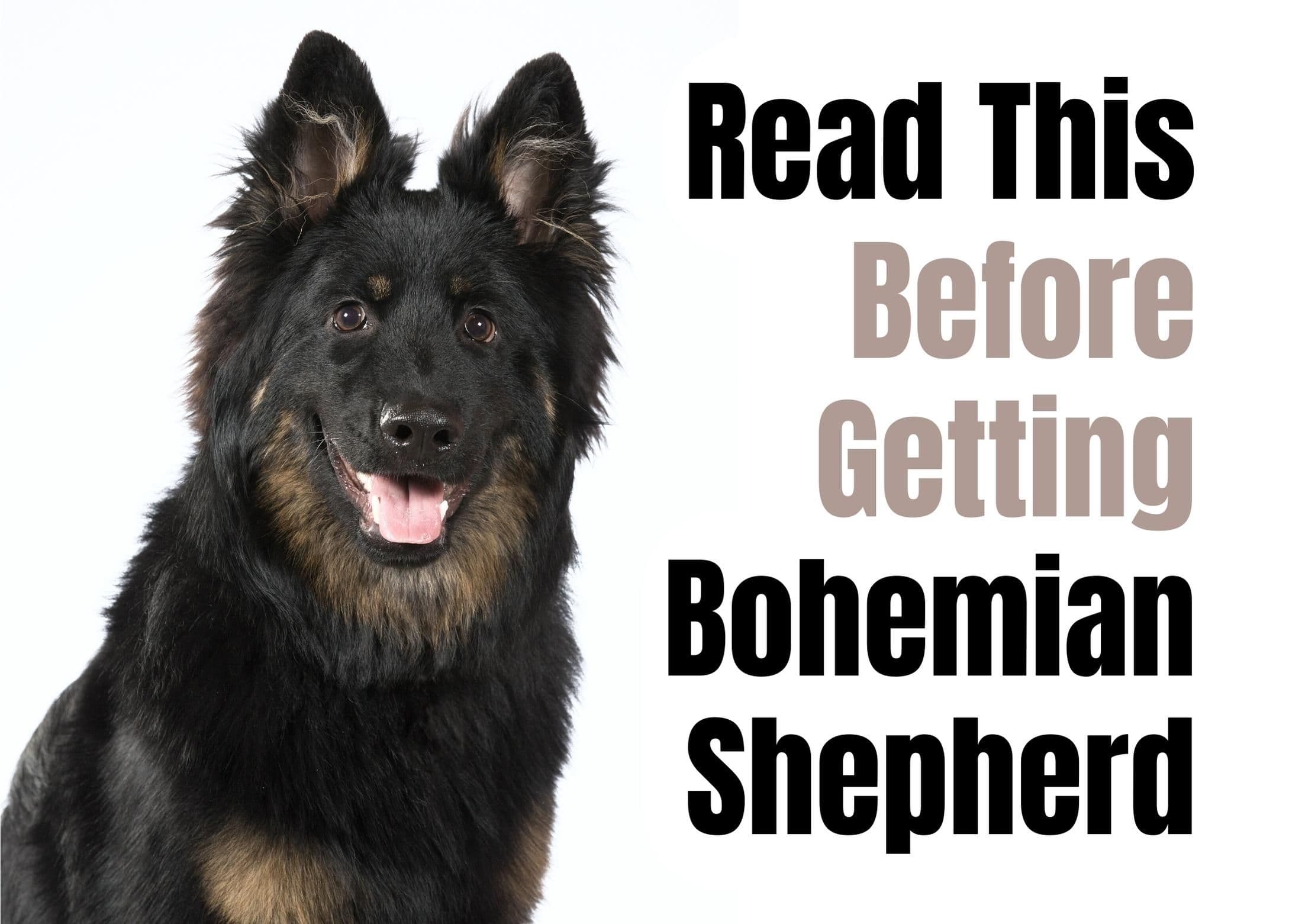
That black-and-tan coat is genuinely gorgeous. Those little tan "eyebrows" give them a sweet, expressive face that's hard to resist.
But the beauty comes with maintenance.
Their double coat is long and thick, with a soft undercoat that keeps them comfortable in cold, wet weather. That same undercoat means **regular brushing** — daily is ideal — and a couple of heavy shedding seasons each year.
What this means in practice: you'll be living with some fur on your clothes and floors. If that's a dealbreaker, this may not be your dog.
So how do they actually behave around your family?
2. Fantastic with families — if you meet them halfway
Bohemian Shepherds are affectionate, gentle, and protective. They want to be in the middle of everything and bond hard with their people.
They're great with kids and usually get along with other pets — especially if you socialize them early.
Here's the catch:
Their **herding instincts** can switch on during play. That might mean nudging, circling, or lightly nipping at running kids. It's not aggression — it's genetics doing its job.
Young kids
Great, with supervisionWatch for herding during rough play.
Older children
ExcellentLove active kids who join in games and training.
Other dogs
GoodBest with early, consistent socialization.
Cats & small pets
CautionHerding drive can trigger chasing — introduce slowly.
3. They're not couch potatoes
Let's be blunt: this is a working breed with a working dog's engine.
Think daily walks, hikes, or a solid hour of fetch — every single day. A bored Bohemian Shepherd is a destructive Bohemian Shepherd.
But physical exercise is only half the story.
These dogs are smart, and their brains need a workout too. Obedience training, agility, and scent games keep them happy and out of trouble.
Daily walks & hikes
Aim for real movement, not a five-minute potty stroll.
Fetch & tug
Great for burning energy fast in a backyard or park.
Scent games
Hide treats around the house — an easy indoor brain workout.
Agility & tricks
Channels their drive and deepens your bond.
“A tired Bohemian Shepherd is a good Bohemian Shepherd.”
Quick poll
How much daily exercise can you realistically commit to?
All that energy needs guidance. Here's how training goes.
4. Training takes patience — but it pays off
Bohemian Shepherds are sharp learners. But they're also sensitive, and they do not respond well to harsh corrections.
Positive reinforcement is the whole game here.
They're eager to please, which makes them a genuine joy to train when you lead with kindness and consistency. Start early, stay calm, and keep sessions varied so they don't get bored.
The training rules that actually work
- Start youngBegin basic manners and socialization from day one.
- Reward, don't punishTreats, praise, and play beat scolding every time.
- Keep it shortSeveral 5–10 minute sessions beat one long, frustrating one.
- Mix it upRotate tricks, obedience, and games to hold their interest.
5. Naturally protective — without being noisy
Here's something owners love: these dogs are alert without being yappy.
They'll let you know when something's genuinely off, but they won't bark all day at every passing squirrel.
With proper socialization, they're reserved around strangers rather than aggressive — a watchful, level-headed guardian.
Bohemian Shepherds are alert watchdogs, not nonstop barkers. Good socialization makes them calm and discerning, not hostile.
Early, positive socialization teaches them who's a threat and who isn't — most become polite, reserved, and reliable.
6. Grooming is a commitment
That beautiful coat doesn't take care of itself.
Expect to brush several times a week — daily during shedding seasons — to keep tangles and loose fur under control.
And it's not just the coat.
- Brush the coat 3–7x per week
- Clean ears regularly to prevent infection
- Trim nails every few weeks
- Brush teeth for long-term dental health
- Skip grooming and hope the coat sorts itself out
Two quick but important practical notes: drool and size.
7. Medium size, big personality — and low drool
Good news if you've lived with a slobbery dog before: Bohemian Shepherds are tidy in the drool department. A little after meals or hard play, but that's about it.
Worth knowing: sudden **excessive drooling** can signal something's wrong — that's your cue for a vet check.
Size-wise, they're solidly built but not oversized. Males typically stand around **21–22 inches** and weigh **40–60 lbs**, with females a touch smaller. That makes them a strong fit for active households with room to move.
8. Feed them right — and on a schedule
This is one of the most important points, so don't skim it.
Bohemian Shepherds can be **prone to bloat**, a serious and potentially life-threatening condition. To reduce the risk, feed smaller meals twice a day rather than leaving a full bowl out all the time.
What this means in practice: build a consistent feeding rhythm and check in with your vet about the best diet as your dog ages.
9. They're versatile working dogs
These dogs are so much more than pretty faces.
They thrive in real jobs — search-and-rescue, scent work, therapy, and service roles all suit their quick minds and willing hearts.
But you don't need a working farm to keep one happy.
Even "just" being your hiking buddy or learning a rotating list of new tricks satisfies their need to have a purpose. Give them a job, and they'll give you their whole heart.
“Give a Bohemian Shepherd a job — even a made-up one — and you'll see the breed at its best.”
The Bohemian Shepherd at a glance
| Category | Rating |
|---|---|
| Affection | |
| Trainability | |
| Energy level | |
| Grooming needs | |
| Watchdog ability | |
| Drool factor |
Pros
Great match if you...
- Love an active, outdoorsy lifestyle
- Enjoy training and mental games
- Want a loyal, protective family dog
- Don't mind regular brushing
Cons
Think twice if you...
- Are away from home for long hours
- Prefer a low-maintenance, low-energy pet
- Have severe dog allergies
- Can't commit to consistent exercise
Frequently Asked Questions
They can be, as long as you're active and ready to commit to training and exercise. They're gentle and eager to please, but their energy and grooming needs mean they're best for owners willing to put in daily effort.
A few hours at most once they're adult and well-trained. They bond closely and can become bored or anxious if left alone for long stretches, so plan for company, dog walkers, or daycare if you work long days.
No — they're alert watchdogs, not nuisance barkers. They'll sound off when something genuinely warrants it, but they're generally quiet and level-headed with good socialization.
Yes, they're affectionate and protective with kids. Just supervise play, since their herding instincts can lead to nudging or gentle nipping at running children.
Usually yes, especially when socialized early. Cats and small pets can trigger their herding and chasing drive, so introduce them slowly and calmly.
Keeping up with their exercise, mental stimulation, and grooming. Skip any of these and you'll likely see boredom-driven behavior problems — this is a dog that needs a job and regular brushing.
Expect high energy through adolescence, often up to 18 months to 2 years. Consistent training and plenty of exercise help them mature into calmer, well-mannered adults.