10 things to know before getting a Spinone Italiano
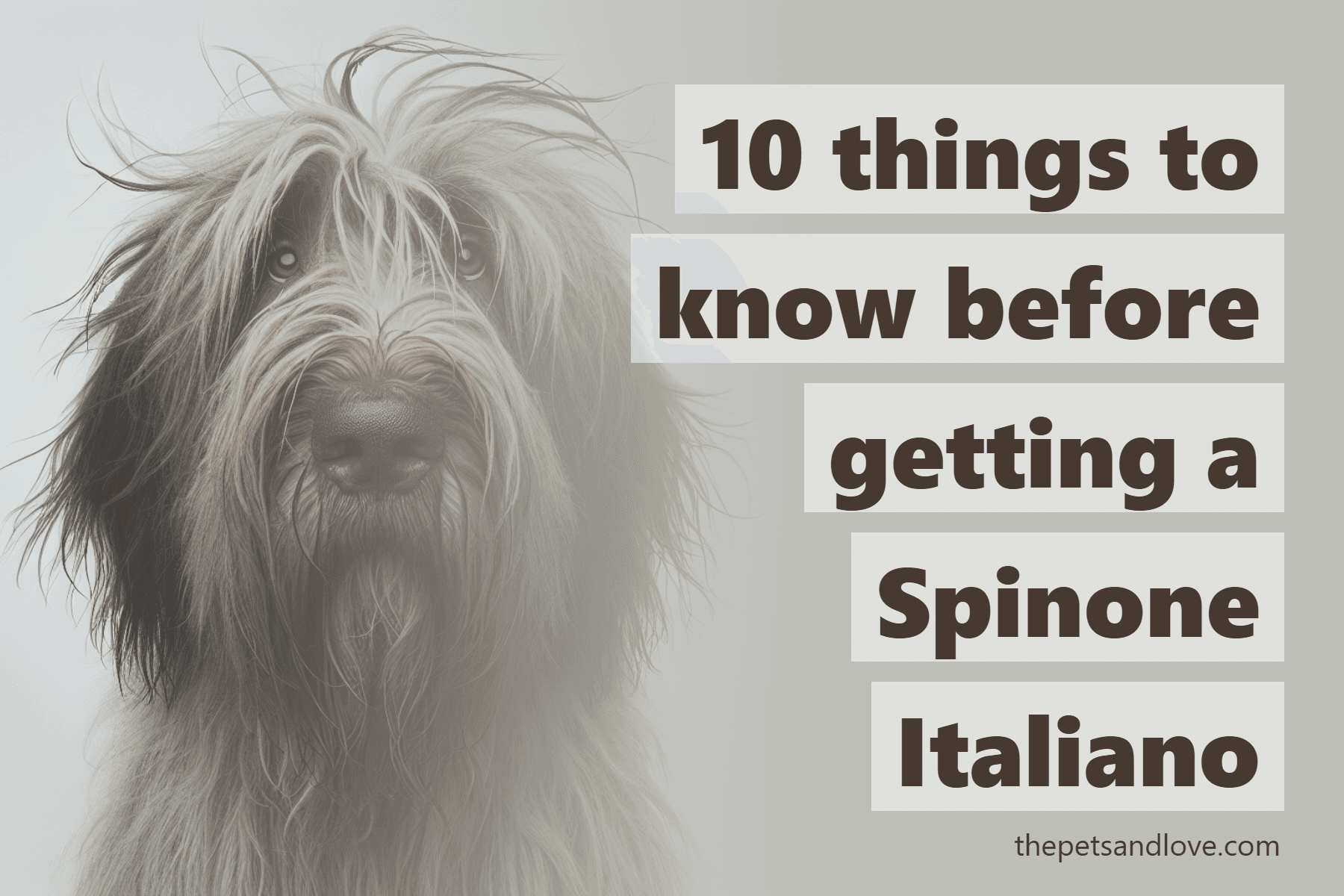
You spotted that scruffy beard, those soulful eyes, and now you can't stop thinking about a Spinone Italiano.
Good instinct. This is one of the gentlest, goofiest dogs you'll ever meet.
But before you fall all the way in love, there's a catch: the Spinone comes with quirks that surprise first-time owners.
So let's walk through what it's really like to live with one — from their big-hearted personality to their grooming, health, and whether your home is the right fit.
Big-Hearted and Gentle — Perfect for Families
Here's the first thing to know: Spinoni (yes, that's the plural) are wonderfully affectionate.
They have a calm, easygoing vibe that makes them great with kids. They usually get along well with other dogs, too.
Are they guard dogs? Not even close. A stranger at the door is more likely to get a tail wag than a warning bark.
“This breed marches to the beat of its own very sweet drum.”
But there's a nuance most people miss.
Even when they're being gentle, these are still big, strong hunting dogs. That size and enthusiasm can overwhelm a toddler or a small pet without meaning to.
Families with kids
GreatPatient and affectionate, but supervise the big, bouncy greetings.
Other dogs
GreatGenerally social and friendly with fellow dogs.
Strangers
FriendlyA welcome committee, not a security system.
First-time owners
DoableSweet nature helps, but independence means patience is a must.
So they're lovable — but what do they actually need day to day?
Built for the Outdoors, But Wants to Be With You
The Spinone was bred to work — pointing, retrieving, swimming, and tracking through long days in the field.
Now, here's the good news: they aren't as high-octane as some sporting breeds. They don't need to run marathons.
But they do need regular movement to stay happy and balanced.
Daily walks
A solid walk each day keeps their body and mind satisfied.
Backyard play
Room to sniff, trot, and explore does wonders.
Hikes
A weekend adventure taps into their working roots.
Water time
They love it. If there is a pond nearby, they will find it.
Because of that hunting background, Spinoni can lock onto a scent and go.
So keep them on-leash unless you're in a fully secure, fenced area. That nose has a mind of its own.
What does that mean in practice? A Spinone thrives when it's part of the household — muddy paws on the couch and all.
Training Takes Patience (and Treats)
Here's the thing about Spinoni: they're smart, but they're also independent thinkers.
Training one isn't about drilling commands. It's about building trust.
They respond best to gentle, consistent, positive reinforcement. Harsh corrections? Those backfire — a Spinone will emotionally shut down rather than obey.
Training that actually works
- Stay gentleKindness earns cooperation. Harshness earns a sulk.
- Be consistentSame rules, same words, every time.
- Reward generouslyHigh-value treats are your best friend here.
- Keep sessions shortEnd on a win before boredom sets in.
“Don't expect a super-obedient trick performer. Expect a loyal partner who does things at its own pace.”
In short: bring patience, bring treats, and let the trust build.
Good news — the grooming is easier than you'd think.
Low-Maintenance Grooming, High-Maintenance Love
That signature wiry coat looks like a lot of work. It isn't.
A weekly brushing keeps mats and tangles away, especially around the beard and legs. They shed a bit, but not heavily.
Still, a few grooming tasks are non-negotiable:
- Trim nails weekly — they grow fast
- Clean ears regularly — this breed is prone to infections
- Brush their teeth — dental care matters more than people think
- Skip the ears and let a groomer handle everything
You can have them professionally groomed for a tidier look if you like.
But honestly? Most Spinone lovers adore that natural, scruffy charm exactly as it is.
Feeding and Health: What to Expect
Adult Spinoni typically eat about 2.5 to 3.5 cups of quality dry food a day, split into two meals.
Watch those portions. Without enough exercise, they gain weight easily.
Health-wise, they're generally sturdy dogs. But like many large breeds, there are a few things to keep on your radar.
| Category | Rating |
|---|---|
| Overall health | |
| Joint health | |
| Ear health | |
| Lifespan |
Now for the one every large-breed owner needs to understand: bloat.
A couple of other conditions can appear in the breed, including a genetic issue called cerebellar ataxia, which is why choosing a responsible breeder matters so much.
The bottom line here is simple.
One Last Thing: Small Animals Beware
You might be wondering how they do with cats, rabbits, or other tiny pets.
Honestly? Not great — at least not usually.
Because they were bred to hunt, small scurrying animals can trigger their instincts, especially if they weren't raised together from puppyhood.
So after all that — is this the dog for you?
So, Is the Spinone Italiano Right for You?
Let's be honest about both sides.
Pros
You'll love a Spinone if...
- You have space and an outdoorsy lifestyle
- You want an affectionate, family-friendly dog
- You enjoy hikes, walks, or water time
- You prefer easy grooming over a fussy coat
Cons
Think twice if...
- You live in an apartment with no yard
- You want a guard dog or obedience star
- You have small pets like cats or rabbits
- You have little patience for independent training
If you've got the space, the time, and the patience, one of these gentle goofballs will reward you with loyalty, laughter, and plenty of slobbery affection.
Just don't expect a guard dog or a trick machine. Expect a big-hearted best friend who does life its own way.
Quick poll
What draws you most to the Spinone Italiano?
Ready to add one to your life? Look for a responsible breeder or rescue, and get ready for muddy paws and big-heart energy.
Frequently Asked Questions
They can be, thanks to their gentle, affectionate nature. Just know they are independent thinkers, so training takes patience and consistency rather than strict commands.
Not typically. They are calm and easygoing, and they are far more likely to greet a stranger with a wag than a warning bark.
Yes — they are patient and loving with kids. Just supervise early interactions, since their size and enthusiasm can accidentally overwhelm small children.
They usually do well with other dogs, but their hunting instincts make small pets like cats, rabbits, and hamsters a risky match — especially if not raised together.
It is not ideal. They need space, outdoor time, and a yard is a big plus. Wherever they live, they need to be inside with their family, not left outdoors alone.
A daily walk plus some backyard play is a good baseline, with hikes or swims as a bonus. They are moderately active — not as intense as many sporting breeds.
For many owners, it is the combination of independent training and managing their strong prey drive around small animals. Patience and secure, fenced spaces go a long way.
With good care, many live 10–12 years, and some go even longer.