Essential Commands Every Dog Should Learn
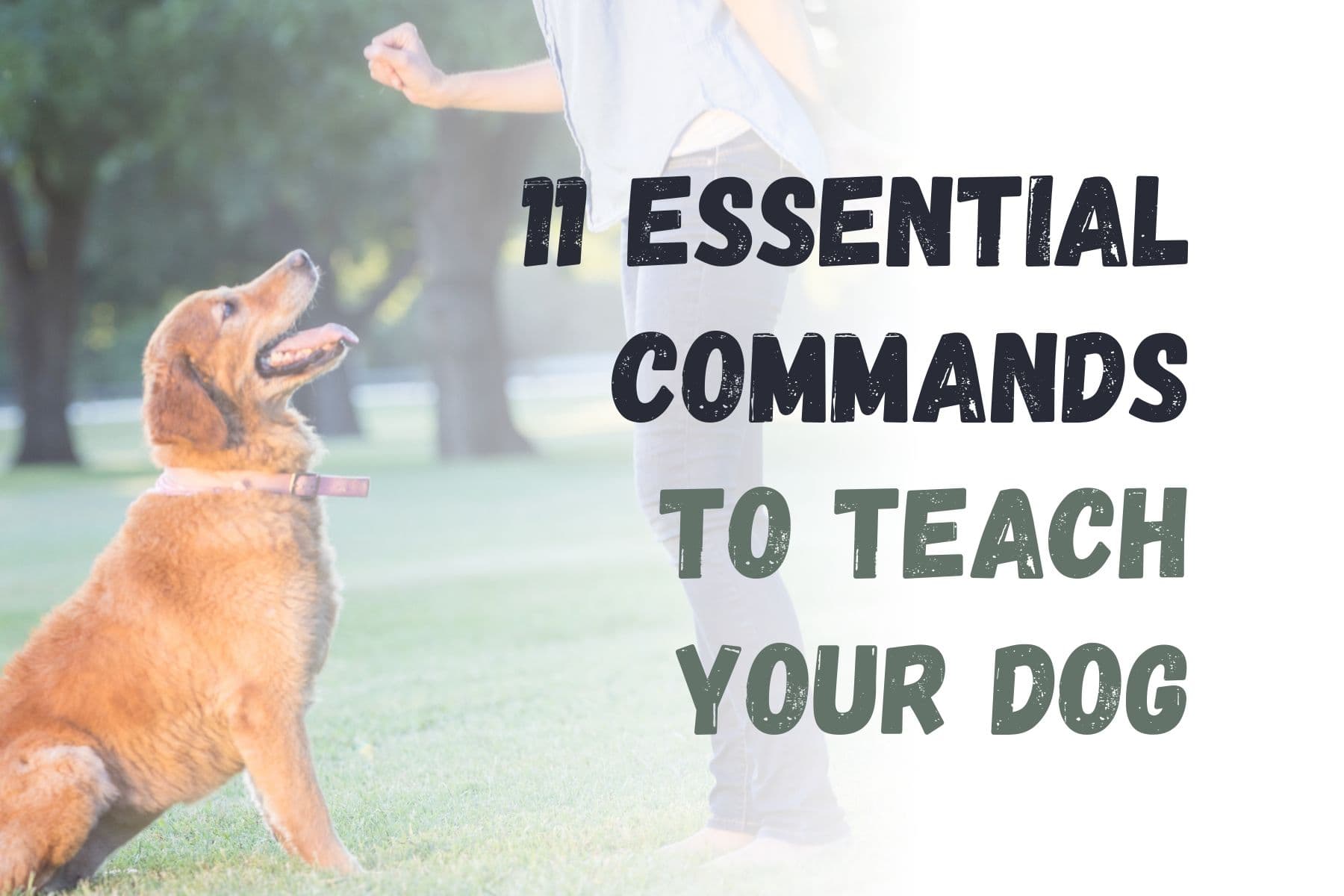
Your dog isn't being stubborn. They just don't speak your language yet — and that's exactly what a handful of well-chosen commands fixes.
Here's the truth: training isn't really about obedience. It's about trust, safety, and making everyday life smoother for both of you.
Teach a few key cues and suddenly walks get calmer, door-dashing stops, and dropping a dangerous "found snack" becomes a two-second win instead of a wrestling match.
Below are the 11 commands we reach for again and again — in our homes, in shelters, and with foster dogs. Not because they're trendy, but because they actually work in real life.
Quick poll
How's your dog's training so far?
Let's start with the one command that unlocks all the others.
1. Sit
This is usually the first command we teach — and for good reason. Think of it as a reset button for an overexcited pup.
Here's how we do it:
- Hold a treat just above your dog's nose and slowly move it back over their head.
- As their nose goes up, their rear goes down. The second their butt hits the floor, say "sit" and reward.
- With practice, they'll start offering it before you even ask.
Once they've got it, phase out the treat and switch to praise. From there, "sit" becomes your go-to move for calming any situation down.
2. Stay
This one takes patience — but it's a genuine safety cue. Picture your dog waiting at the door instead of bolting into the street.
- Start with your dog in a sit.
- Hold your hand out like a stop sign and say "stay."
- Take one step back. If they hold, step in and reward.
- Slowly build up distance and distractions.
3. Come
"Come" is a life-saver — literally. But here's the catch: it only works if your dog trusts that coming to you always ends well.
- Call them in a happy voice while crouching or holding a treat.
- When they reach you, reward generously. Don't skimp here.
- Never call them to punish or end play — always make "come" a party.
We've had the best luck practicing indoors first, then moving outside on a long leash.
4. Down
"Down" is gold for calming a hyper dog and managing behavior in busy places.
- Start from a sit.
- Move a treat from their nose toward the ground between their paws.
- As they lie down, say "down" and reward.
Some dogs resist at first. Don't force it — just reset and try again later. Pushing on their back only creates resistance.
Now for the command that transforms miserable walks.
5. Heel (or Loose Leash Walking)
We've both had leash-pullers, and teaching "heel" changed our walks overnight.
- With your dog on your left, hold a treat at your side and say "heel."
- Take a step. If they stay beside you, reward.
- If they pull, stop walking. Don't yank — just wait for them to come back.
“Stopping every time your dog pulls teaches them one thing fast: pulling gets you nowhere.”
Start with short walks and build up. Consistency is everything here.
6. Leave It
Whether it's a chicken bone on the sidewalk or your favorite shoes, "leave it" is a command you'll be glad you taught.
- Place a low-value treat on the ground and cover it with your hand.
- Say "leave it." When your dog backs off or looks away, reward with a better treat.
- Practice with different objects and in real-life situations.
It takes repetition — but the payoff is a dog that ignores that mystery pizza crust on the trail.
7. Drop It
This is your go-to for keeping your dog from swallowing something dangerous — or just returning a stolen sock.
- Offer a toy and let them play for a moment.
- Present a high-value treat and say "drop it."
- When they release, reward and praise.
8. Wait
You might be wondering how "wait" is different from "stay." Simple: stay means "don't move until I release you." Wait means "pause and check in with me."
- Ask your dog to sit.
- Say "wait" and take a small step back.
- If they hold, return and reward.
- Use it before crossing streets, opening car doors, or serving meals.
It's the cue we use most in daily life — dozens of tiny pauses that add up to a much safer dog.
9. Off
"Off" is for jumping — on people or furniture. Don't confuse it with "down," which means lie down.
- When your dog jumps up, say "off" firmly.
- The moment all four paws hit the ground, reward and praise.
- Never reward jumping with attention — even pushing them off counts as attention.
10. Speak & Quiet
These two go hand-in-hand and can actually help manage barking.
- Get your dog excited and say "speak." Reward when they bark.
- Then say "quiet" and pause. When they stop, reward again.
It's a fun trick — but also a sneaky way to teach self-control. Just be careful: don't reward barking before you've attached the cue, or you'll get a dog who barks for treats.
11. Touch
"Touch" teaches your dog to bump your hand with their nose. Simple, fun, and surprisingly powerful for focus and redirection.
- Hold out your hand and wait for your dog to sniff or touch it.
- When they do, say "yes!" and treat.
- Add the word "touch" once they're doing it consistently.
We've used this to redirect leash-reactive dogs, guide shy pups through scary moments, and even build fancier tricks on top of it.
Frequently Asked Questions
Start with "sit." It's the easiest win, builds your dog's confidence, and sets the pattern for how training works. From there, "come" and "leave it" are the most valuable for safety.
Just 2 or 3. Trying to teach everything at once overwhelms your dog and slows progress. Master a couple, then add more once they're solid.
Short and sweet — around 5 to 10 minutes, a few times a day. Dogs learn better in brief, upbeat bursts than in one long, tiring session.
Dogs don't generalize well. A cue learned in your quiet kitchen has to be re-taught in the park, on the sidewalk, and around other dogs. Practice in gradually more distracting places.
No. Treats are how you teach the behavior, but you'll gradually fade them out and switch to praise, play, or life rewards. Keep the occasional surprise treat to keep responses sharp.
Absolutely. The "old dogs can't learn" idea is a myth. Adult and senior dogs pick up commands well — sometimes even faster, since they're calmer than puppies.
Reset and try later. Frustration is contagious — if either of you gets stressed, end on an easy win and take a break. Some dogs learn fast, others need more reps, and that's completely normal.