11 Best Dog Breeds for Defense and Protection
You want a dog that has your back — literally. Something that turns heads, keeps intruders guessing, and still curls up next to you at night like a giant softie.
Good news: that dog exists. In fact, there are at least nine of them.
Here's the catch, though — not every big, loud breed makes a good protector. The real guardians combine loyalty, brains, alertness, and that hard-wired instinct to protect their people.
Below, you'll meet the breeds that were practically born for the job — plus what each one needs from you to become the steady, confident protector you're hoping for.
What Actually Makes a Great Protection Dog
Here's the thing most people get wrong: protection isn't about aggression.
A great guard dog is calm, confident, and controlled. It reads a situation before reacting — and that "before" is everything.
So what should you actually look for?
Loyalty
A protector bonds hard to its family. That devotion is the fuel behind every guarding instinct.
Trainability
A strong dog you can't control is a liability. The best breeds want to work with you.
Alertness
The ability to notice change — and to tell a guest apart from a genuine threat.
Stable temperament
Confidence without panic. A dog that startles easily is not protecting you — it's reacting.
“When you match the right breed with the right owner, it's a powerful bond.”
Now let's meet the dogs themselves.
The 9 Best Dog Breeds for Defense and Protection
We've worked with and met plenty of these dogs over the years. Here's the honest breakdown — the good, the demanding, and what to watch for health-wise.
1. German Shepherd — The All-Rounder
If you could only pick one protection breed, this would be a tough one to beat.
German Shepherds are protective, smart, and refreshingly easy to train. They're used in police work for a reason — they're naturally alert and can tell the difference between a friendly guest and a real threat.
But there's a catch: they need serious exercise and mental stimulation. A bored Shepherd is a frustrated Shepherd.
2. Doberman Pinscher — The Thinker
Dobermans were literally bred to protect. Sleek, fast, and fiercely loyal — but here's what surprises people.
They assess before they act. A well-raised Doberman sizes up a situation instead of exploding at the first sound, which is exactly what you want in a guardian.
They're best for active owners who can match their energy and give them a sense of purpose. Keep an eye on heart problems and hip dysplasia.
3. Rottweiler — The Gentle Powerhouse
Confident and powerful, the Rottie is a study in contrasts.
Trained right, they're gentle giants with their family and formidable protectors when it counts. Trained wrong — or not at all — they're a lot of dog to handle.
4. Belgian Malinois — The Working Machine
Think of a Malinois as a lighter, faster German Shepherd with even more drive.
Here's the honest truth: these dogs need a job. If you don't give them one, they'll invent one — and it usually involves your furniture.
They shine in agility and obedience work. Brilliant, athletic, endlessly capable. But couch potatoes? Absolutely not.
5. Bullmastiff — The Silent Sentinel
Big, quiet, and quietly intimidating.
Bullmastiffs don't bark much — but when they do, you listen. They're deeply loyal and surprisingly gentle with family.
The upside for busy owners? They don't need the relentless exercise of the herding breeds. They do, however, need consistent training and early socialization. Their size means joint issues are worth watching.
6. Boxer — The Family Guardian
Playful, social, and protective — the Boxer is a fantastic mix for families with kids.
They're alert and will let you know when something's off, but they're not prone to over-the-top aggression.
Just be ready to keep them busy. A bored Boxer tends to get destructive. Heart and hip issues are common, so stay on top of vet care.
7. Giant Schnauzer — The Understated Pro
These guys mean business.
Their size and bark alone are enough to make anyone think twice. Giant Schnauzers are loyal, protective, and genuinely love to work.
They're less common than others on this list — but every bit as capable. Like most large breeds, they're prone to bloat and hip problems, so plan accordingly.
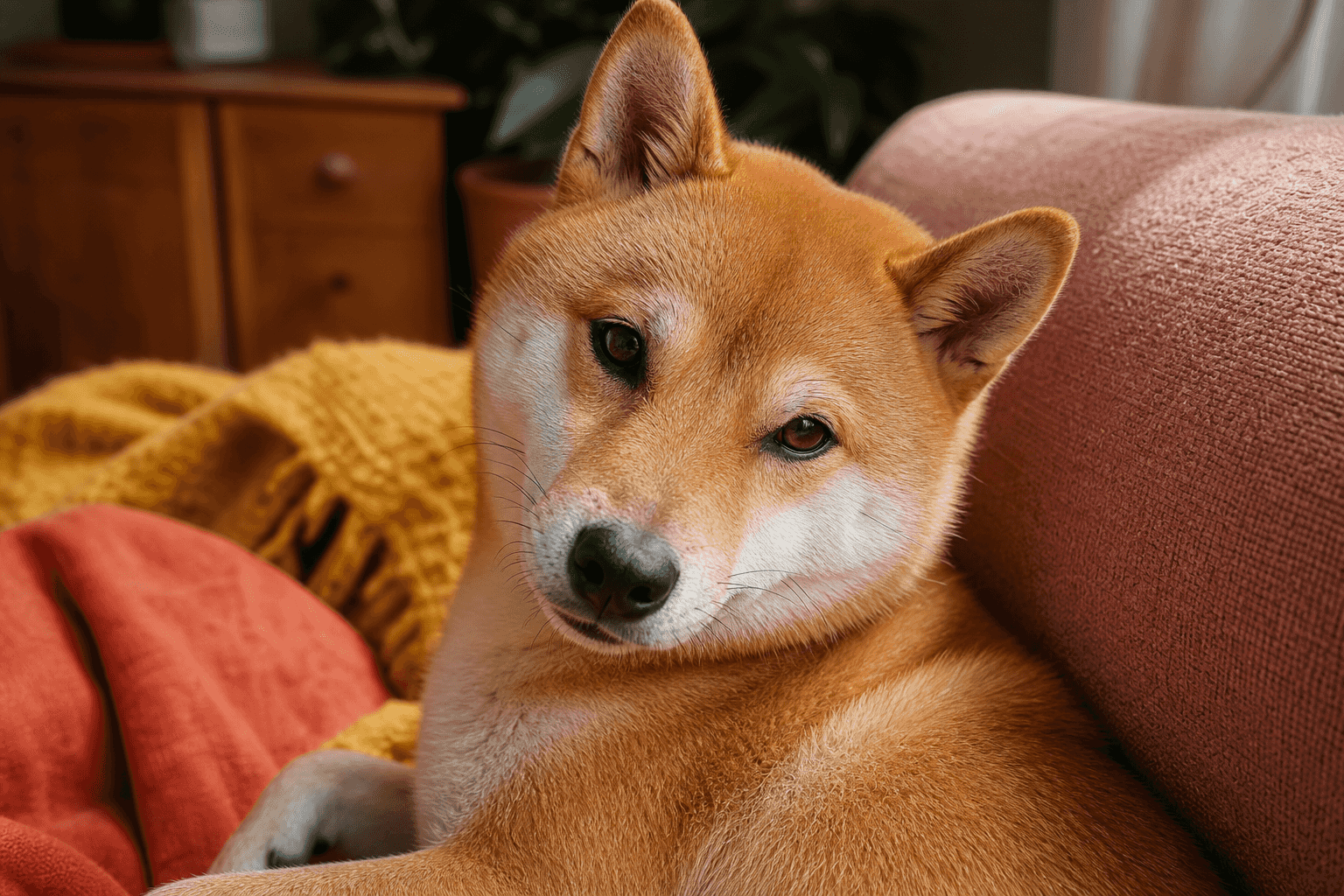
8. Akita — The Natural Guardian
Some dogs need training to guard. The Akita just... does it.
Fiercely loyal and naturally suspicious of strangers, protection is simply who they are.
Now, here's where it gets tricky: they often do best as the only dog in the house, and they need early socialization to grow into balanced adults. Not the easiest breed — but for the right owner, incredibly devoted.
9. Rhodesian Ridgeback — The Quiet Brave One
A personal favorite — one of our team has lived with the breed for years, and it's something special.
Originally bred to hunt lions, Ridgebacks are strong, brave, and surprisingly quiet. They won't bark unless there's a genuine reason.
They're independent thinkers, so training takes patience — but their loyalty runs deep. Watch for hip issues and certain cancers.
| Category | Rating |
|---|---|
| German Shepherd | |
| Doberman | |
| Rottweiler | |
| Belgian Malinois | |
| Bullmastiff | |
| Akita |
Before you decide, let's bust a few myths.
Guard Dog Myths Worth Busting
The opposite is true. The best guardians are calm and controlled — aggression usually signals fear or poor training, not protection.
Some of the finest protectors (like the Ridgeback and Akita) are quiet. Alertness and stable temperament matter far more than volume.
Even instinctive protectors need structure and socialization. Without it, natural drive turns into unpredictable behavior.
Many are wonderfully affectionate at home. A well-raised Rottweiler or Boxer is a devoted family member first and a guardian second.
So which of these dogs is actually right for you?
Are You the Right Owner?
Choosing a defense dog isn't about picking the biggest or loudest breed. It's about matching a dog's instincts to your lifestyle — and then committing to the work.
Let's be honest about that commitment.
Pros
You'll likely thrive with a protection breed if you...
- Have time for daily exercise and training
- Enjoy structure and consistency
- Can provide early socialization
- Are willing to work with a trainer
Cons
You may want to reconsider if you...
- Are away from home most of the day
- Want a low-maintenance, hands-off pet
- Have no experience reading dog behavior
- Can't commit to consistent boundaries
The golden rules of raising a protector
- Socialize early and oftenExpose your dog to people, places, and situations while young.
- Be consistentMixed signals create anxious, unpredictable dogs.
- Give them a jobMental work is as important as physical exercise.
- Never skip vet careMany of these breeds are prone to specific health issues.
- Lead with respectEven the toughest-looking dog needs love and structure, not fear.
Quick poll
Which protection breed appeals to you most?
Frequently Asked Questions
The German Shepherd is often the friendliest starting point thanks to its trainability and eagerness to please. That said, working with a professional trainer early makes almost any of these breeds far more manageable.
Many do. Breeds like the Boxer, Rottweiler, and German Shepherd can be deeply affectionate with their families when properly raised and socialized. The key is early training and consistent boundaries.
Not when raised well. Good guardians are calm and controlled. True aggression usually comes from fear, poor socialization, or lack of training — not from the breed itself.
It varies widely. Herding and working breeds like the Belgian Malinois and German Shepherd need a lot of daily activity, while a Bullmastiff is content with far less. Match the breed's energy to your own lifestyle.
Absolutely. The Rhodesian Ridgeback and Akita are famously quiet but highly alert. They won't bark without reason — which can actually make their warnings more meaningful.
Many large breeds share concerns like hip dysplasia, joint problems, and bloat. Some, like the Doberman, are prone to heart issues, and Ridgebacks to certain cancers. Regular vet checkups are essential.
Often yes, but it depends on the breed and early socialization. Akitas, for example, frequently do best as the only dog in the home, while Boxers tend to be more sociable.