How to Get Your Dog Ready for a Long Car Trip
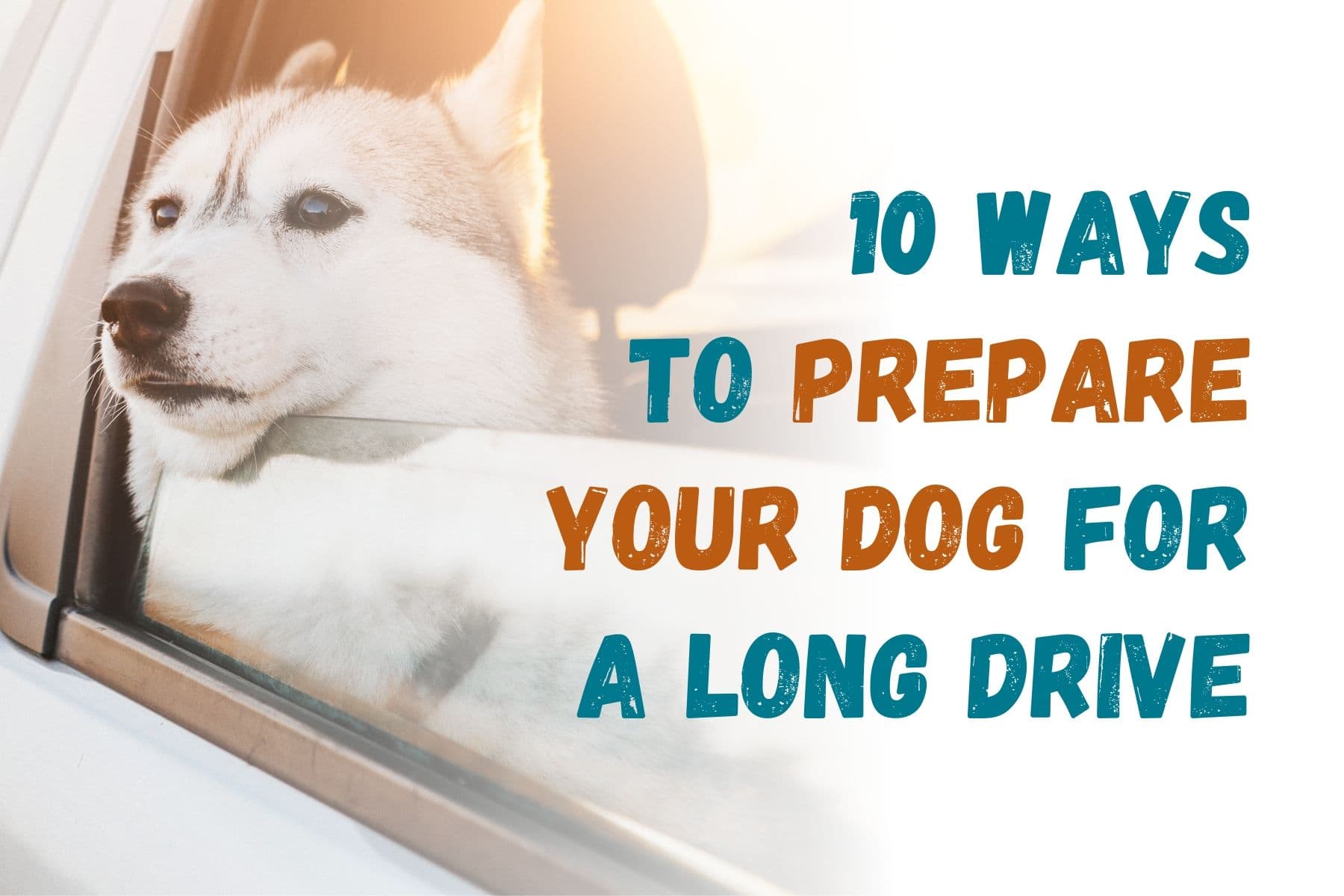
Planning a long car ride with your dog? Here's the good news: it doesn't have to be a stressful mess — for either of you.
With a bit of prep and a handful of smart moves, you can make the trip safer, calmer, and honestly kind of fun.
We've logged plenty of road-trip miles with our own pups, and the tips below are the ones that actually make a difference.
Let's get you ready to roll.
1. Start With Practice Drives
If your dog isn't used to the car, don't make your first trip the big one.
Start small. A loop around the block. A short hop to a nearby park.
Keep every session calm and positive — treats and a soothing voice go a long way. Then gradually stretch the rides longer so your dog gets used to the motion, the hum, and the stops.
Once they're comfortable in the car, the next thing matters most: keeping them safe in it.
2. Safety First: Secure Your Dog
A loose dog in a moving car is a danger to both of you.
In a sudden stop, an unsecured dog becomes a projectile — and can also block your view or your pedals at exactly the wrong moment.
So pick one of these and use it every single time:
Crash-tested crate
Our top pick for long trips — a den-like space where dogs naturally settle and relax.
Pet seatbelt harness
Clips into a standard seatbelt buckle. Great for dogs who prefer to see out.
Dog-safe car seat
Best for small breeds who like a little elevation and a snug spot of their own.
Back seat only
Keep dogs out of the front — airbags and driver distractions are serious risks.
Buckled in? Now let's make sure you've packed everything you'll actually need.
3. Pack the Essentials
Here's what we never hit the road without.
- Water and a travel bowl
- Food and treats
- Poop bags
- Any medications your dog needs
- A favorite toy or blanket
- A travel-friendly first aid kit
- Leaving without a familiar-smelling item
That last one matters more than you'd think.
A blanket or toy that smells like home can calm a nervous dog fast — especially if you're staying somewhere new overnight.
Packed? Good. Now let's make their space in the car feel like a cozy little nook.
4. Keep Them Comfy
A tired, relaxed dog is the best travel buddy there is.
Give them a walk before you leave — nothing intense, just enough to burn off nervous energy and let them go potty.
Then set up their space. A non-slip bed or cushion keeps them steady, and the right temperature keeps them settled.
“We usually crack a window or run the AC to keep it just right — not too hot, not too cold.”
Even the comfiest dog needs to move. Here's how often to stop.
5. Take Regular Breaks
Plan to stop every 2–3 hours.
Let your dog stretch, sniff around, and take a bathroom break. Always clip on a leash first — even a well-trained dog can bolt in an unfamiliar, overwhelming place.
Every 2–3 hrs
How often to stop and let your dog stretch, potty, and drink
And offer water at every stop, especially in warm weather.
Hydration helps with everything — digestion, energy, and even motion sickness.
6. Keep Your Dog Occupied
Long rides get boring. For dogs too.
Pack a chew toy, a puzzle feeder, or a long-lasting treat to keep them busy.
But here's the real reason it works: mental stimulation isn't just distraction — it actively lowers anxiety and keeps a restless dog calm.
7. Skip the Big Meal Before You Go
Feed your dog a few hours before the trip — not right as you're loading the car.
A full stomach in a moving vehicle is a recipe for nausea.
8. Consider Calming Aids (If Needed)
Some dogs just don't love the car, no matter how much you prep.
If yours struggles with real anxiety, talk to your vet first. They might suggest calming supplements, prescription meds, or gentler natural options like these:
- Dog-safe pheromone sprays — mimic calming scents dogs recognize.
- Lavender-scented cloths — soothing, but never apply essential oils directly to your dog.
- Soothing music or audiobooks — steady background sound masks road noise.
9. Vet Check Before a Big Trip
Traveling far or crossing state lines? A quick vet visit is a smart move.
Make sure vaccines are current and stock up on any meds your dog needs.
Your vet can also help you plan ahead for car sickness or anxiety — before it becomes a roadside problem.
Frequently Asked Questions
Aim for a break every 2–3 hours so your dog can stretch, go potty, and drink water. Always leash them before opening the door — unfamiliar rest stops can be overwhelming even for well-trained dogs.
Feed a light meal a few hours before you leave rather than right before, keep the car cool and well-ventilated, and take frequent breaks. If it keeps happening, ask your vet about anti-nausea options before your trip.
It's best not to. Airbags can seriously injure a dog and a pup up front is a major driver distraction. Secure them in the back with a crash-tested crate or seatbelt harness.
Start with short practice drives, bring a familiar-smelling blanket, and try calming aids like pheromone sprays or soothing music — tested at home first. For severe anxiety, talk to your vet.
Yes, but a few hours beforehand — not right before you go. A full stomach in a moving car often leads to nausea. Keep snacks light during the drive too.
Yes. A loose dog is a danger in a crash and a distraction the rest of the time. A crash-tested crate, pet seatbelt harness, or dog-safe car seat keeps everyone safer.