10 Things You Must Know Before Bringing Home a White Swiss Shepherd Puppy
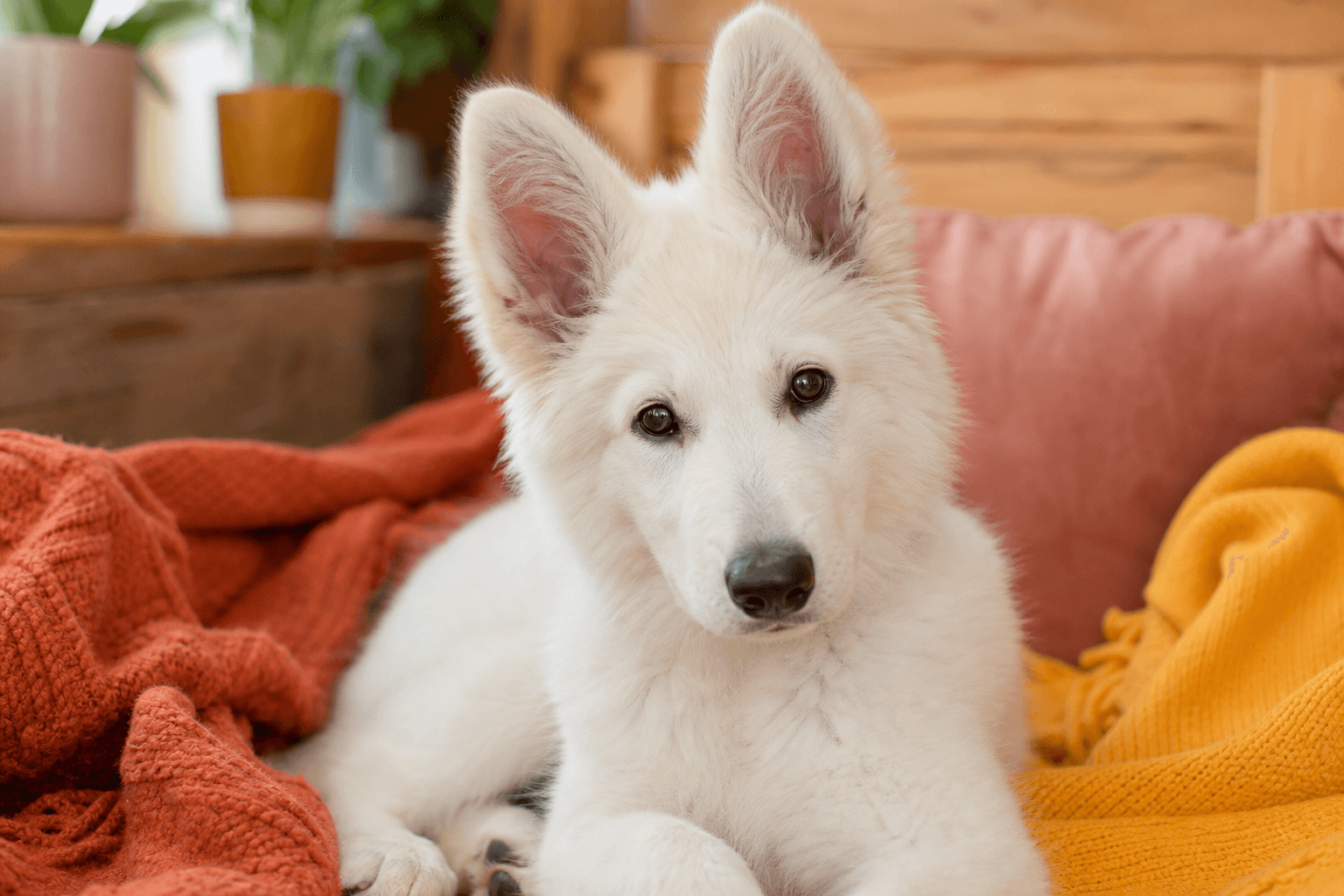
You fell for that snow-white coat and soulful eyes. We get it.
Here is exactly what life with a White Swiss Shepherd puppy really takes — from first walks to long-term health.
Skim this, set your plan, and bring your pup home with confidence.
1. Temperament Is Loving — And Sensitive
White Swiss Shepherds are affectionate, people-focused herding dogs. They bond hard and read your emotions closely.
They thrive when included in daily life, but they can shut down with harsh handling. Expect a velcro dog who wants to be right beside you, not a backyard ornament.
2. Exercise Needs Start Early
Puppies need short, frequent outlets, not marathon runs. Think several 10 to 15 minute play sessions and sniffy strolls.
As joints mature, aim for 60 to 90 minutes of daily physical and mental work combined. Herding breeds get restless without a job, so plan on training games, nose work, or easy agility foundations.
3. Train Soft, Train Smart
These dogs are bright and eager but sensitive. Heavy corrections backfire; they remember tone and timing.
Use marker training, food, toys, and real-life rewards. Keep sessions short and fun, and channel their natural desire to work with you into obedience, tricks, and impulse control.
4. Socialization Must Be Thoughtful
Quality over quantity. Your goal is calm curiosity around people, dogs, and novel places, not forced interactions.
Pair new sights and sounds with treats, provide space, and let your puppy opt in. A confident White Swiss Shepherd is made by many good choices, not one big day at a crowded park.
5. The Coat: Fluffy Now, Sheddy Later
It is a double coat that sheds year-round and blows seasonally. Weekly brushing as a puppy prevents mats behind the ears and pants.
During coat blows, daily brushing plus a bath and high-velocity dryer helps. Do not shave the double coat; it protects from heat and cold. Keep nails short and ears checked.
6. Health Screening You Should Insist On
Choose a breeder who provides orthopedic and genetic results for both parents. For this breed, that typically includes hips and elbows via OFA or FCI, plus testing for degenerative myelopathy and MDR1 drug sensitivity.
White does not equal albino, and this breed is not inherently prone to deafness. Still, ask about eyes, digestive history, and skin. Good breeders welcome questions and back pups with contracts and lifetime support.
7. Feed for Slow, Sound Growth
Use a large-breed puppy formula to balance calcium and energy. Growing too fast stresses joints in future athletic dogs.
Split meals, measure portions, and keep your puppy lean enough to feel ribs under a light layer. Bones and joints will thank you later.
8. Home Setup and Space
Think containment and calm. A crate big enough for an adult to stand and turn, plus an exercise pen for safe downtime, prevents chaos and overexertion.
Fence height
Aim for five to six feet. Herding dogs are problem-solvers and jumpers.
Chew rotation
Offer two to three safe chews and swap daily to protect your shoes and sanity.
Enrichment bin
Snuffle mat, food puzzles, and scatter-feeding to work the nose and brain.
Place mat
Teach settle on a mat early so guests can enter without fanfare.
9. Weather, Sun, and That White Coat
The double coat insulates against cold and heat, as long as you provide shade, water, and rest. In summer, walk at cooler hours and avoid hot surfaces.
White fur reflects light, but pink or thinly furred areas can still burn. Use dog-safe sunscreen on ear edges or sparse spots if your vet recommends it.
10. Lifestyle Fit: Work, Travel, and Time
These dogs want to be with you. Long workdays alone invite frustration and noise.
Plan for midday breaks, a sitter, or dog-friendly work setups. If you hike, train, and like learning together, a White Swiss Shepherd will shine in obedience, scent work, and family life.