10 Things You Must Know Before Bringing Home a Norwegian Buhund Puppy
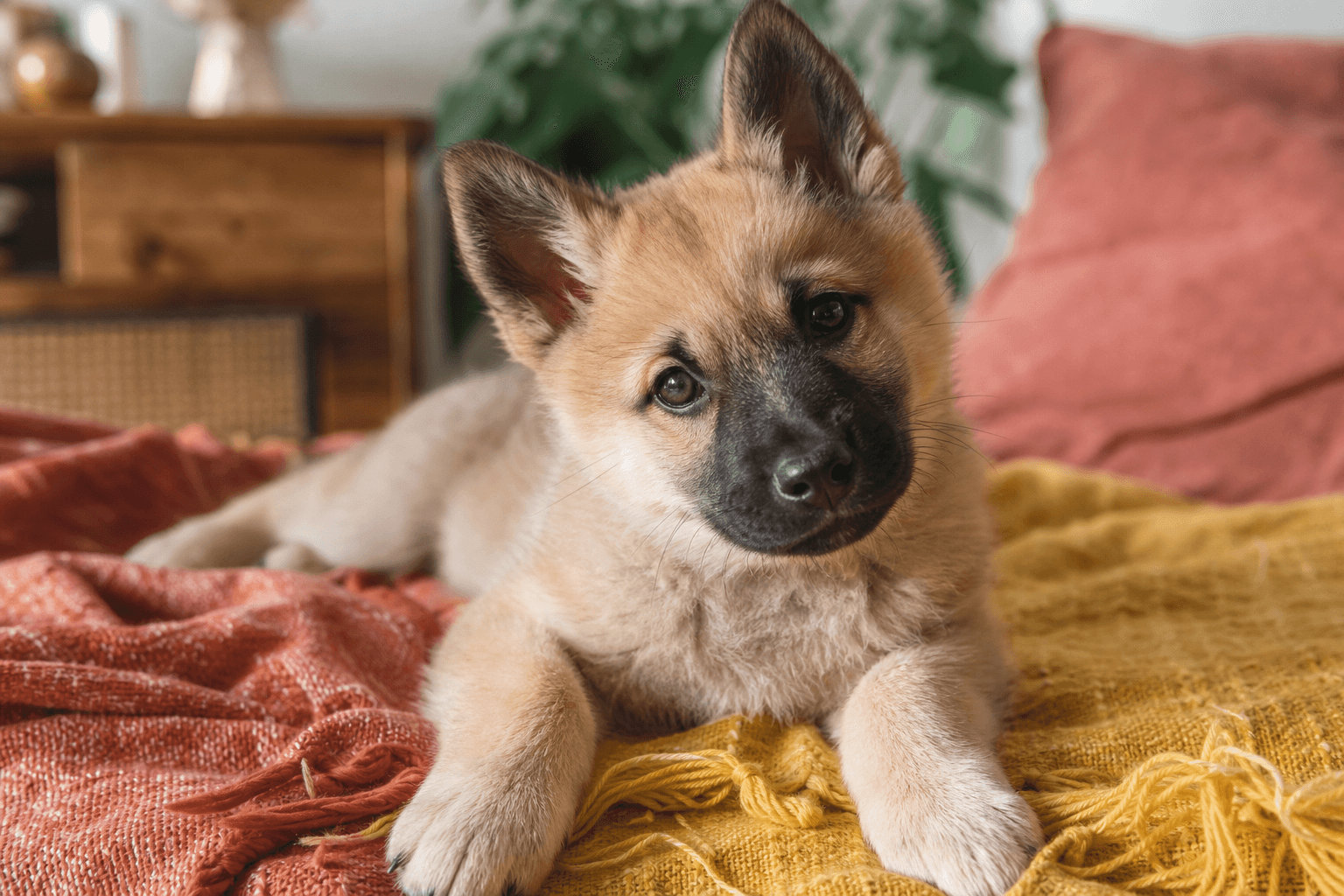
You fell for the foxlike grin and can-do spirit of the Norwegian Buhund — we get it.
Bring one home, and you are inviting a bright, vocal, work-happy herder into your life.
Here are the exact things to know so your first weeks feel joyful, not chaotic.
1. Daily Energy Needs Are Real
Buhunds were bred to herd and help on farms, so that puppy energy is not a phase — it is the point.
Plan on 60 to 90 minutes of activity a day by adulthood, split between brisk walks, off-leash fetch in a secure area, and training games.
As youngsters, keep sessions shorter and more frequent to protect growing joints, but do not under-exercise or you will see zoomies and mischief.
2. Smart Dog, Busy Brain
This breed thrives when it has a job.
Rotate puzzle feeders, short obedience bursts, nosework hides, and easy tricks so your puppy learns that working with you is fun.
Many owners find success in beginner agility or rally once vaccines are complete — channel that spark early and you prevent problem behaviors later.
3. They Are Talkative
Buhunds are naturally alert and will use their voice to announce birds, delivery trucks, and your neighbor sneezing.
Start teaching a quiet cue the week your puppy comes home, and reinforce calm moments before the bark gets rolling.
4. Double Coat, Easy Routine
The medium double coat sheds year-round and blows seasonally, but it is low-maintenance if you keep a rhythm.
Brush once or twice a week, daily during heavy sheds, and bathe lightly as needed to preserve coat texture.
Do not shave the coat; it insulates from cold and heat. Keep nails short and ears clean to prevent discomfort that fuels fussiness.
5. Socialization Is Non-Negotiable
Confident and friendly is the goal, and you get there by exposing your puppy to sights, sounds, surfaces, and people in a controlled, positive way.
Pair new experiences with food and distance so your puppy can observe without overwhelm. Think grocery store parking lots, quiet kids on scooters, umbrellas opening, and vets for happy weigh-ins.
6. Positive Training Works Best
Buhunds are eager to please but independent. Harsh corrections make them suspicious; clear, upbeat training makes them brilliant.
Focus on rock-solid recalls, settle on a mat, leave it, and polite greetings. Short, daily sessions beat weekend marathons.
Crate training and alone-time practice prevent separation issues in a breed that loves to be where the action is.
7. Home and Safety Setup
You do not need a ranch, but you do need structure.
Use baby gates, an exercise pen, and a crate to manage freedom while your puppy learns house rules. Buhunds are nimble jumpers, so secure fences and latching gates matter.
Long line and harness
Safe freedom for decompression walks and recall practice.
Chew variety
Rotate safe chews to save your baseboards and teach calm.
Puzzle bowls and snuffle mat
Turn mealtimes into brain work and slow down eager eaters.
Training treats pouch
Reinforce good choices in real time, indoors and out.
Crate and bed
A predictable nap spot keeps arousal in check.
ID and microchip
Spitz breeds are curious; make sure you can get them back fast.
8. Health Screening and Vet Plan
Responsible breeders screen for hips and eyes; ask to see hip evaluations and recent eye exams.
Common concerns to discuss with your vet include hip dysplasia and inherited eye issues such as cataracts and progressive retinal atrophy.
Map out vaccinations, parasite prevention, and a plan for spay or neuter timing that considers growth plates and activity goals.
9. Cold-Friendly, Heat-Sensitive
The Buhund coat laughs at snow but struggles in heat and humidity.
Choose shade, cool floors, early or late walks in summer, and carry water. Watch for tongue lolling, slowing pace, or sticky gums and take breaks fast.
10. Time and Budget Reality Check
Beyond the purchase or adoption fee, expect quality food, training classes, grooming tools, vet care, and gear refreshes as your puppy grows.
More important is time: daily exercise, enrichment setup, and ongoing training are the currency of a happy Buhund home.